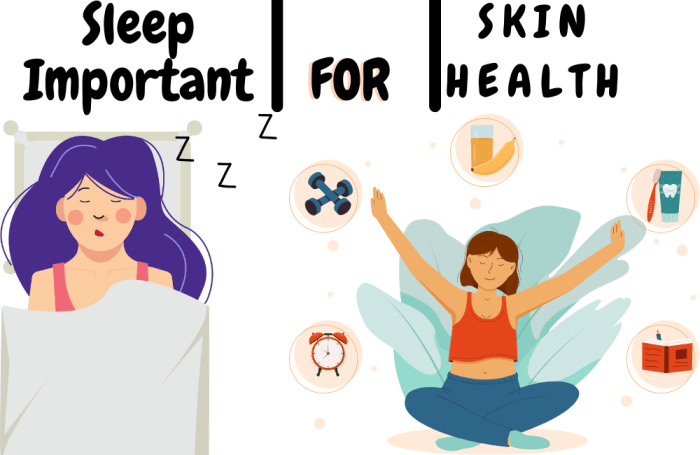
Importance of Sleep for Skin Health
Sleep plays a crucial role in maintaining the health and appearance of our skin. Lack of quality sleep can have detrimental effects on our skin, leading to various issues that can impact our overall skin health.
Effects of Sleep Deprivation on Skin
Importance of sleep for skin health – When we don’t get enough sleep, our skin is unable to repair and regenerate properly, leading to a dull complexion, dark under-eye circles, and increased inflammation. Lack of sleep can also weaken the skin’s natural barrier, making it more prone to dryness and irritation.
Additionally, sleep deprivation can exacerbate existing skin conditions such as acne, eczema, and psoriasis, as the body’s inflammatory response is heightened when we are sleep deprived.
Benefits of Good Quality Sleep for Skin Rejuvenation
On the other hand, getting adequate and quality sleep allows our skin to undergo repair and renewal processes. During deep sleep stages, the body produces collagen, a protein essential for maintaining skin elasticity and firmness, leading to a more youthful appearance.
Quality sleep also helps regulate the body’s hydration levels, preventing skin dryness and promoting a healthy glow. Adequate rest allows the skin to recover from daily stressors, such as UV exposure and pollution, contributing to a healthier complexion.
Impact of Sleep Deprivation on Skin Aging
Chronic sleep deprivation accelerates the aging process of the skin, leading to the formation of fine lines, wrinkles, and sagging skin. The lack of sleep disrupts the body’s circadian rhythm, affecting the production of growth hormones that are essential for skin repair and regeneration.
Moreover, prolonged sleep deprivation can increase the levels of cortisol, a stress hormone that breaks down collagen and elastin in the skin, resulting in premature aging signs.
Healthy Snacks
Eating nutritious snacks plays a vital role in maintaining healthy skin. By choosing the right snacks, you can help improve your skin complexion and promote overall skin health.
Nutritious Snack Options for Skin Health
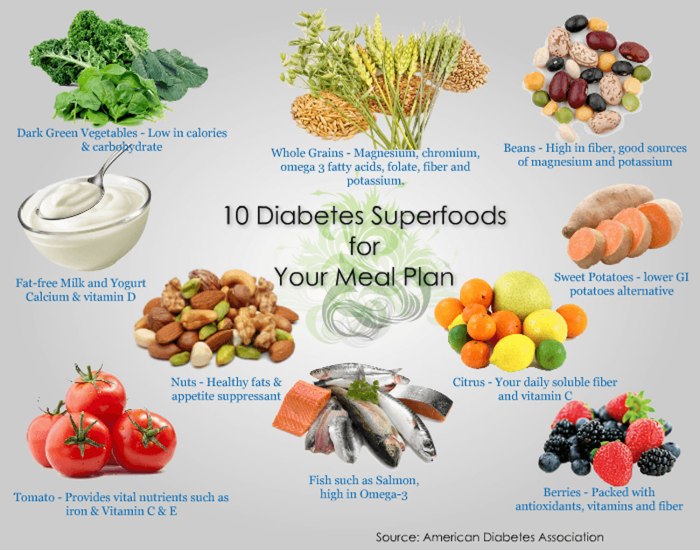
- Almonds: Rich in vitamin E and antioxidants, almonds help protect the skin from damage caused by harmful free radicals.
- Greek Yogurt: Packed with protein and probiotics, Greek yogurt promotes skin hydration and can reduce inflammation.
- Carrots: Carrots are high in beta-carotene, which converts to vitamin A in the body and helps repair skin tissues.
- Berries: Blueberries, strawberries, and raspberries are loaded with antioxidants that combat aging and improve skin elasticity.
Importance of Snacking on Fruits and Vegetables
Snacking on fruits and vegetables is essential for skin nourishment as they are packed with vitamins, minerals, and antioxidants that support skin health.
Homemade Healthy Snack Recipes for Skin
| Avocado Toast | Spread mashed avocado on whole grain toast and top with cherry tomatoes and a sprinkle of chia seeds for a snack rich in healthy fats and skin-loving nutrients. |
|---|---|
| Green Smoothie | Blend spinach, kale, banana, and almond milk for a refreshing smoothie that provides a boost of vitamins A, C, and E for radiant skin. |
| Cucumber Hummus Bites | Slice cucumbers and top with hummus, cherry tomatoes, and a drizzle of olive oil for a crunchy and hydrating snack that benefits the skin. |
Wellness Programs
Wellness programs play a crucial role in enhancing overall skin health by promoting healthy lifestyle habits that benefit the skin.
Role of Stress Management
- Stress management is a key component of skin wellness programs as high stress levels can lead to skin issues such as acne, eczema, and premature aging.
- Practicing relaxation techniques like meditation, yoga, or deep breathing can help reduce stress levels and improve skin health.
- Reducing stress can also help regulate hormone levels, which in turn can prevent breakouts and other skin problems.
Incorporating Skincare Routines
- Incorporating skincare routines into wellness programs can benefit the skin by promoting proper cleansing, moisturizing, and protection from environmental factors.
- Encouraging participants to establish a consistent skincare routine can help maintain skin health and prevent issues like dryness, irritation, and breakouts.
- Providing education on the importance of sunscreen use and regular skin checks can also help prevent skin cancer and other serious skin conditions.
Examples of Successful Wellness Programs
- The “Skin Health Program” offered by a leading spa chain includes personalized skincare consultations, treatments, and follow-up appointments to address individual skin concerns.
- A corporate wellness program that incorporates stress management workshops, skincare education sessions, and healthy lifestyle challenges has been successful in improving employee skin health and overall well-being.
- A community wellness initiative focused on promoting mindfulness, healthy eating, and skincare practices has led to a decrease in skin issues and an increase in overall skin radiance among participants.
Physical Therapy
Physical therapy plays a crucial role in improving skin health by promoting blood circulation, reducing inflammation, and enhancing overall mobility. This holistic approach can have a positive impact on various skin conditions, such as eczema or psoriasis.
Benefits of Physical Therapy for Skin Health
- Increased blood flow: Physical therapy exercises can help improve blood circulation, delivering essential nutrients and oxygen to the skin cells, resulting in a healthier complexion.
- Reduced inflammation: Certain physical therapy techniques can help reduce inflammation in the body, which can alleviate symptoms of skin conditions like eczema and psoriasis.
- Stress reduction: Stress can exacerbate skin conditions, and physical therapy can help manage stress levels through relaxation techniques, ultimately benefiting skin health.
Exercises to Promote Blood Circulation for Better Skin Health
- Cardiovascular exercises: Activities like jogging, cycling, or swimming can improve blood flow and contribute to a radiant complexion.
- Stretching routines: Incorporating stretching exercises can help relax muscles and increase circulation, promoting skin health.
- Deep breathing exercises: Practices like diaphragmatic breathing can enhance oxygen intake and support overall skin vitality.
Incorporating Physical Therapy into Skincare Routines
- Consult a physical therapist: Seek guidance from a professional to create a personalized exercise plan that caters to your specific skin health needs.
- Consistency is key: Incorporate physical therapy exercises regularly into your skincare routine to experience long-term benefits for your skin.
- Combine with skincare products: Pair physical therapy with skincare products that are suitable for your skin type to maximize the results.
Health Coaching
Health coaching plays a crucial role in supporting individuals to achieve better skin health by providing personalized guidance and support in adopting healthier lifestyle habits.
Role of Health Coaching in Skin Improvement
Health coaching focuses on creating personalized wellness plans that address specific skin concerns, such as acne, eczema, or premature aging. These plans often include recommendations for proper nutrition, hydration, stress management, and skincare routines tailored to individual needs.
- Health coaches help individuals identify triggers that may be contributing to skin issues, such as poor diet, lack of sleep, or high stress levels.
- They provide education on the importance of maintaining a healthy lifestyle to promote skin regeneration, collagen production, and overall skin health.
- Health coaches offer ongoing support and accountability to help individuals stay motivated and committed to their skin improvement goals.
Success Stories
“I struggled with acne for years and tried countless products without success. With the help of a health coach, I learned how to balance my hormones through diet and lifestyle changes, and my skin has never looked better.”
“After experiencing severe eczema flare-ups, I turned to a health coach for guidance. Through a personalized wellness plan focusing on stress reduction and inflammation control, my skin has shown remarkable improvement.”
Choosing a Qualified Health Coach
When selecting a health coach for skin concerns, it’s essential to look for certifications, experience in dermatology or skincare, and a holistic approach to wellness. Additionally, consider the coach’s communication style, availability for follow-ups, and success stories from previous clients with similar skin issues.
Medical Advancements
In recent years, there have been significant advancements in skincare treatments driven by medical innovations and technological breakthroughs. These advancements have revolutionized the skincare industry, offering new and effective solutions for various skin issues.
Innovative Procedures
- One of the groundbreaking procedures is laser therapy, which can target specific skin concerns such as acne scars, sun damage, and age spots.
- Another innovative treatment is microneedling, a minimally invasive procedure that stimulates collagen production and improves skin texture.
- Advanced injectables like dermal fillers and neurotoxins are also popular for addressing wrinkles, fine lines, and volume loss.
Future of Medical Advancements
- With the continuous evolution of technology, we can expect more personalized skincare treatments tailored to individual needs and skin conditions.
- Non-invasive procedures utilizing artificial intelligence and robotics are likely to become more prominent, offering precise and efficient solutions for skin rejuvenation.
- Gene therapy and stem cell research hold promise for regenerative skincare treatments that could revolutionize anti-aging strategies.
Fitness Goals
Regular exercise plays a crucial role in maintaining overall health, including skin health. Physical activity can benefit the skin in various ways, promoting radiance, tone, and texture. By incorporating workout routines that specifically target skin wellness, individuals can achieve their fitness goals while enhancing the appearance and health of their skin.
Benefits of Exercise for Skin Health
Regular exercise improves blood circulation, delivering oxygen and nutrients to the skin cells. This boost in circulation helps to nourish the skin and flush out toxins, resulting in a more radiant complexion. Additionally, exercise promotes the production of collagen, a protein that helps maintain skin elasticity and firmness, reducing the signs of aging.
Workout Routines for Skin Wellness
- Incorporate cardio exercises like running or cycling to increase blood flow and oxygen delivery to the skin.
- Add strength training exercises such as weightlifting to promote collagen production and skin firmness.
- Include yoga or Pilates in your routine to reduce stress levels, which can contribute to skin issues like acne and eczema.
Setting Fitness Goals for Skin Wellness
- Set specific and achievable fitness goals that prioritize skin health, such as improving skin tone or reducing acne breakouts.
- Track your progress by monitoring changes in your skin’s appearance and texture as you work towards your fitness goals.
- Stay consistent with your workout routine and make adjustments as needed to ensure continuous improvement in skin health.
Balanced Nutrition
Ensuring a balanced diet plays a crucial role in maintaining optimal skin health. The nutrients we consume have a direct impact on the nourishment, elasticity, and hydration of our skin.
Impact of Vitamins and Antioxidants
Vitamins and antioxidants are essential for promoting skin health. They help protect the skin from damage, promote collagen production, and maintain a youthful appearance.
- Vitamin C: Known for its brightening and antioxidant properties, Vitamin C helps in reducing hyperpigmentation and promoting collagen synthesis.
- Vitamin E: This vitamin is a powerful antioxidant that protects the skin from free radicals and helps in maintaining skin elasticity.
- Antioxidants: Found in foods like berries, nuts, and green leafy vegetables, antioxidants help in fighting oxidative stress and improving skin texture.
Foods for Skin Elasticity and Hydration
Opt for foods that are rich in vitamins, minerals, and antioxidants to promote skin elasticity and hydration.
- Fatty Fish: Salmon, mackerel, and sardines are excellent sources of omega-3 fatty acids that help in maintaining skin hydration and reducing inflammation.
- Avocados: Packed with healthy fats and vitamins E and C, avocados support skin health by improving elasticity and reducing skin damage.
- Sweet Potatoes: Loaded with beta-carotene, sweet potatoes help in protecting the skin from sun damage and promoting a healthy glow.
Sample Meal Plan for Optimal Skin Health
Here’s a sample meal plan to achieve optimal skin health through balanced nutrition:
| Meal | Food |
|---|---|
| Breakfast | Greek yogurt with berries and almonds |
| Lunch | Grilled salmon with quinoa and steamed broccoli |
| Snack | Carrot sticks with hummus |
| Dinner | Grilled chicken with sweet potato and spinach salad |
Mental Strength
Maintaining mental strength is crucial for overall skin wellness. The connection between mental health and skin conditions is well-documented, with stress and anxiety playing a significant role in affecting skin health. By understanding the impact of mental well-being on skin clarity, individuals can implement mindfulness techniques to improve their overall skin wellness.
Effects of Stress and Anxiety on Skin Health
- Stress and anxiety can trigger inflammatory responses in the body, leading to skin issues such as acne, eczema, and psoriasis.
- Cortisol, known as the stress hormone, can disrupt the skin’s natural balance, resulting in increased oil production and breakouts.
- Prolonged periods of stress can accelerate the aging process, causing wrinkles, fine lines, and dullness in the skin.
Mindfulness Techniques for Skin Clarity
- Practice deep breathing exercises to reduce stress levels and promote relaxation, which can help improve skin tone and texture.
- Engage in regular physical activity to boost endorphins and enhance mood, reducing the impact of stress on skin health.
- Adopt a skincare routine as a form of self-care, establishing a calming ritual that can contribute to mental well-being and skin clarity.
Tips for Maintaining Mental Strength
- Get an adequate amount of sleep to support overall mental and physical health, as lack of sleep can exacerbate stress and impact skin health.
- Seek professional help if experiencing chronic stress or anxiety, as addressing underlying mental health issues is essential for skin wellness.
- Incorporate stress-relief activities such as meditation, yoga, or spending time in nature to promote relaxation and mental strength.
Yoga Practice
Regular yoga practice can offer numerous benefits for skin health, thanks to its ability to reduce stress levels, improve circulation, and promote overall well-being. In addition to its mental and physical benefits, specific yoga poses can also play a role in enhancing skin health by increasing blood flow and promoting a healthy complexion.
Benefits of Yoga for Skin Health
- Reduces stress levels: Yoga helps in lowering stress hormones, which can contribute to various skin issues like acne and premature aging.
- Improves circulation: Certain yoga poses encourage blood flow to the skin, providing essential nutrients and oxygen for a healthy complexion.
- Promotes relaxation: Relaxing yoga practices can help in improving sleep quality, which is crucial for skin repair and rejuvenation.
Yoga Poses for Better Skin Elasticity
- Child’s Pose (Balasana): This gentle stretch can help in increasing blood flow to the face and reducing tension in the body, promoting skin elasticity.
- Downward-Facing Dog (Adho Mukha Svanasana): This pose can improve circulation and blood flow to the face, giving a natural glow to the skin.
- Camel Pose (Ustrasana): By stretching the chest and neck, this pose can stimulate blood flow to the face and improve skin elasticity.
Incorporating Yoga into Skincare Regimen
- Set aside time: Dedicate a few minutes each day to practice yoga, whether in the morning or before bedtime, to reap the benefits for your skin.
- Combine with skincare routine: Pair your yoga practice with a consistent skincare regimen to enhance the overall health and appearance of your skin.
- Stay hydrated: Drink plenty of water before and after yoga sessions to keep your skin hydrated and improve its elasticity.
Health Education
Education plays a vital role in helping individuals understand the importance of skin health and how to properly care for their skin. By spreading awareness and providing valuable information, we can prevent common skin issues and promote overall well-being.
Importance of Educating Individuals on Skin Health
When it comes to skin health, knowledge is key. Educating individuals on the importance of proper skincare routines, sun protection, and the impact of lifestyle choices on skin can help them make informed decisions and take better care of their skin.
Role of Health Education in Preventing Common Skin Issues
Health education empowers individuals to identify early signs of skin problems, understand the causes of common skin issues like acne, eczema, or premature aging, and take preventive measures to maintain healthy skin. By promoting good skincare habits, we can reduce the likelihood of skin conditions developing.
Resources for Learning about Skincare Ingredients and Benefits
- Online skincare forums and websites provide valuable information on skincare ingredients, their benefits, and how they can address specific skin concerns.
- Consulting dermatologists or skincare professionals can help individuals understand their skin type, recommend suitable products, and educate them on ingredient labels.
- Books, articles, and reputable skincare brands often offer detailed explanations of ingredients, their functions, and how they contribute to healthy skin.
Tips for Spreading Awareness about Skin Health Education, Importance of sleep for skin health
- Organize skincare workshops or seminars in communities to educate individuals on the basics of skincare and the importance of a consistent routine.
- Utilize social media platforms to share skincare tips, product recommendations, and debunk common skincare myths to reach a wider audience.
- Collaborate with skincare influencers, dermatologists, or beauty experts to create informative content and engage with followers on the significance of skin health education.
Weight Management
Maintaining a healthy weight is crucial for overall well-being, including skin health. Weight fluctuations can have a significant impact on the skin, leading to various conditions such as stretch marks, sagging skin, and acne. By implementing effective weight management strategies, you can achieve glowing and radiant skin.
Impact of Weight on Skin Health
- Excess weight can put pressure on the skin, leading to stretch marks and cellulite.
- Rapid weight loss or gain can cause the skin to lose its elasticity, resulting in sagging.
- Imbalanced diet due to weight fluctuations can trigger acne and other skin issues.
Weight Management Strategies for Healthy Skin
- Adopt a balanced diet rich in fruits, vegetables, lean proteins, and whole grains.
- Incorporate regular exercise into your routine to maintain a healthy weight and improve skin circulation.
- Stay hydrated by drinking an adequate amount of water daily to keep your skin hydrated and glowing.
- Avoid crash diets or extreme weight loss methods that can harm your skin’s health.
Incorporating Weight Management into Skincare Routine
- Choose skincare products that are suitable for your skin type and address specific concerns related to weight fluctuations.
- Include facial massages or lymphatic drainage techniques to improve skin firmness and elasticity.
- Practice stress-relieving activities like yoga or meditation to manage weight-related stress that can impact skin health.
Health Checkups
Regular health checkups are essential for maintaining overall well-being, including skin health. These routine visits allow healthcare professionals to detect any potential issues early on and provide necessary interventions to prevent complications.
Importance of Dermatological Screenings
Dermatological screenings play a crucial role in identifying skin conditions such as skin cancer, eczema, or psoriasis at their earliest stages. This early detection can significantly improve treatment outcomes and overall prognosis.
- Regular skin checkups can help identify suspicious moles or lesions that may require further evaluation.
- Early detection of skin issues can lead to prompt treatment and better management of skin conditions.
- Skin screenings can also help assess the overall health of your skin and provide recommendations for skincare routines.
Recommended Frequency for Skin Checkups
It is generally recommended to have a full-body skin examination by a dermatologist at least once a year. However, individuals with a family history of skin cancer or other risk factors may need more frequent screenings. Consult with your healthcare provider to determine the appropriate schedule for your skin health checkups.
Tips for Scheduling and Preparing for Health Checkups
1. Keep track of any changes in your skin, such as new moles, rashes, or lesions, and inform your healthcare provider during the checkup.
2. Wear minimal makeup or nail polish to allow for a more thorough examination of your skin.
3. Prepare a list of questions or concerns you may have about your skin health to discuss with your dermatologist.
Skin Health
Maintaining healthy skin is crucial for overall well-being and confidence. A good skincare routine, along with protection from environmental factors, plays a significant role in promoting skin health.
Key Factors for Skin Health
Healthy skin is influenced by various factors, including:
- Adequate hydration to keep the skin moisturized and supple.
- Proper nutrition that includes vitamins and minerals essential for skin health.
- Sufficient sleep to allow the skin to repair and regenerate during the night.
- Regular exercise to improve blood circulation and promote a healthy complexion.
- Effective stress management to prevent skin issues caused by stress hormones.
Importance of a Consistent Skincare Routine
A consistent skincare routine helps in keeping the skin clean, hydrated, and protected. It involves cleansing, exfoliating, moisturizing, and applying sunscreen regularly to maintain healthy skin.
Tips for Protecting Skin from Environmental Factors
Protect your skin from harmful environmental factors by:
- Using sunscreen with at least SPF 30 daily, even on cloudy days.
- Avoiding prolonged exposure to the sun and seeking shade when necessary.
- Wearing protective clothing, hats, and sunglasses to shield the skin from UV rays.
- Maintaining a healthy diet rich in antioxidants to combat free radical damage.
Recommendations for Skincare Products
Choose skincare products that are suitable for your skin type and address specific concerns. Look for products with ingredients like:
- Hydrating hyaluronic acid for moisture retention.
- Antioxidants like vitamin C to protect against environmental damage.
- Retinol for anti-aging benefits and skin renewal.
- Gentle cleansers and non-comedogenic moisturizers for daily use.
Emotional Health
Emotional well-being plays a crucial role in maintaining healthy skin. The link between emotions and skin conditions like acne or eczema is well-established. Stress, anxiety, and other negative emotions can trigger inflammation in the body, leading to skin issues.
Impact of Emotions on Skin Health
Emotions have a direct impact on skin health, as stress can worsen existing skin conditions or even trigger new ones. When we experience stress, our body releases cortisol, a hormone that can increase oil production in the skin and lead to breakouts. Additionally, stress weakens the skin’s barrier function, making it more susceptible to irritation and inflammation.
- Practice stress-reducing activities such as meditation, deep breathing exercises, or yoga to help manage emotional well-being and improve skin health.
- Engage in regular physical activity to release endorphins, which can help reduce stress levels and promote overall skin wellness.
- Ensure you get an adequate amount of sleep, as lack of sleep can further exacerbate stress and negatively impact skin health.
- Seek support from friends, family, or a mental health professional to address underlying emotional issues that may be affecting your skin.
Health Motivation
Maintaining healthy skin requires dedication and motivation. Without a strong drive to stick to skincare routines, it can be challenging to achieve skin health goals. Motivation plays a crucial role in staying consistent with habits that promote healthy skin.
Setting Realistic Expectations
- Setting realistic expectations is essential for boosting motivation in skincare routines. When individuals have achievable goals, they are more likely to stay motivated and committed to their skincare regimen.
- Avoiding unrealistic expectations can prevent feelings of disappointment and frustration, leading to a more positive mindset towards skincare practices.
- By focusing on incremental progress and celebrating small victories, individuals can maintain motivation and stay dedicated to their skin health journey.
Success Stories
- Many individuals have successfully achieved their skin health goals through consistent motivation and dedication to their skincare routines.
- By sharing success stories of people who have transformed their skin through perseverance and commitment, others can find inspiration to continue their own journey towards healthy skin.
- These success stories serve as a reminder that with determination and motivation, achieving skin health is possible for anyone willing to put in the effort.
Tips for Staying Motivated
- Establish a routine and stick to it to create consistency in skincare habits.
- Set achievable goals and track progress to stay motivated and see results over time.
- Find a support system or accountability partner to encourage you on your skin health journey.
- Reward yourself for reaching milestones in your skincare routine to maintain motivation and positivity.
Physical Activities
Regular physical activities play a vital role in maintaining overall health, including skin health. Engaging in exercise can have numerous benefits for your skin, helping to improve its appearance, texture, and overall health.
Impact of Sweating on Skin Detoxification
- Sweating during physical activities helps to unclog pores and remove toxins from the skin, promoting a clearer complexion.
- Increased blood flow to the skin during exercise can also help nourish skin cells and improve skin tone.
- Be sure to cleanse your skin after sweating to prevent any buildup of sweat and bacteria that could lead to breakouts.
Outdoor Activities for Skin Rejuvenation
- Outdoor activities like hiking, running, or cycling can expose your skin to fresh air and sunlight, promoting skin rejuvenation.
- Sunlight is a natural source of vitamin D, which can help improve skin conditions like acne and eczema.
- Remember to wear sunscreen to protect your skin from harmful UV rays while engaging in outdoor activities.
Tips for Incorporating Physical Activities into a Skincare Routine
- Consider incorporating activities like yoga, Pilates, or dancing into your skincare routine to promote flexibility, strength, and overall well-being.
- Choose activities that you enjoy to make it easier to stick to a regular routine and stay motivated.
- Stay hydrated before, during, and after physical activities to keep your skin hydrated and maintain its elasticity.
Health Awareness
Skin health is an essential aspect of overall well-being that often gets overlooked. Raising awareness about skin health is crucial to educate individuals on the importance of taking care of their skin and detecting potential issues early on.
Common Misconceptions Surrounding Skincare
- Using more skincare products will always result in better skin.
- Sunscreen is only necessary during sunny days.
- Natural ingredients are always safe for the skin.
The Importance of Early Detection
Early detection of skin conditions such as skin cancer can significantly impact treatment outcomes and overall skin health. Regular skin checks and prompt medical attention for any abnormalities are key in maintaining healthy skin.
Tips for Promoting Health Awareness about Skin Well-being
- Encourage regular skin checks and screenings.
- Provide education on the importance of sun protection.
- Share information on proper skincare routines for different skin types.
- Organize community events or workshops focused on skin health.
- Collaborate with dermatologists and skincare experts for informative sessions.
Preventive Medicine
Preventive medicine plays a crucial role in maintaining skin health by focusing on early detection and intervention to prevent skin issues from worsening.
Protecting Skin from UV Damage
One of the key preventive measures for skin health is protecting the skin from UV damage. Here are some tips to integrate into your skincare regimen:
- Avoid prolonged sun exposure, especially during peak hours.
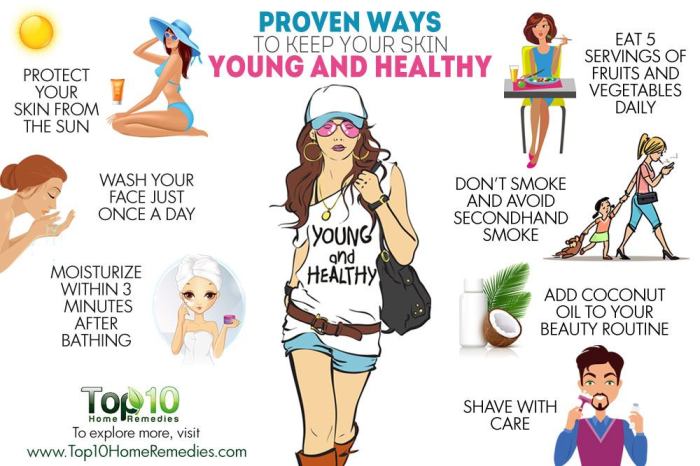
- Apply sunscreen with at least SPF 30 daily, even on cloudy days.
- Wear protective clothing, such as hats and sunglasses, when outdoors.
- Seek shade when possible to minimize direct sun exposure.
Protecting Skin from Pollution
Pollution can also harm the skin, leading to premature aging and other skin issues. Here are some preventive measures to protect your skin from pollution:
- Cleanse your skin thoroughly to remove pollutants and toxins.
- Use antioxidant-rich skincare products to combat free radicals from pollution.
- Avoid smoking and exposure to secondhand smoke, which can accelerate skin aging.
- Consider using a barrier cream or moisturizer to protect the skin from environmental pollutants.
Nutritional Counseling: Importance Of Sleep For Skin Health
Nutritional counseling plays a crucial role in enhancing skin health by focusing on the impact of diet on skin wellness. By following a well-balanced diet tailored to individual needs, one can achieve optimal skin health and improve overall appearance.
Personalized Nutritional Plans for Skin Improvement
- Consulting with a reputable nutritional counselor can help create personalized meal plans that address specific skin concerns, such as acne, dryness, or aging.
- These plans may include foods rich in antioxidants, vitamins, and minerals that promote skin regeneration and combat inflammation.
- Recommendations may also involve hydration strategies to maintain skin elasticity and prevent premature aging.
Tips for Finding a Reputable Nutritional Counselor for Skin Concerns
- Seek referrals from dermatologists or healthcare providers who specialize in skin health to find a nutritionist knowledgeable about skin-specific dietary needs.
- Look for certifications and credentials such as Registered Dietitian (RD) or Certified Nutrition Specialist (CNS) to ensure expertise in creating effective nutritional plans.
- Consider the counselor’s experience in dealing with skin-related issues and their ability to tailor recommendations to individual skin types and conditions.
Healthy Mind
Having a healthy mind is crucial for maintaining healthy skin. The connection between the two goes beyond just physical appearance; mental well-being can significantly impact the overall health of your skin. Positive thinking plays a key role in influencing skin health, as stress and negative emotions can lead to various skin issues such as acne, eczema, or psoriasis.
Mindfulness Practices for Skin Rejuvenation
- Practice deep breathing exercises to reduce stress levels, which can help prevent skin inflammation and breakouts.
- Engage in regular meditation sessions to promote relaxation and improve skin elasticity.
- Use visualization techniques to envision healthy, glowing skin, which can boost self-confidence and overall skin health.
Tips for Cultivating a Healthy Mindset for Skin Well-being
- Acknowledge and address negative thoughts or emotions that may be affecting your skin health.
- Surround yourself with positive influences and supportive relationships to maintain a healthy mindset.
- Practice gratitude daily to shift your focus towards positivity and improve your overall well-being, including your skin health.
User Queries
How does lack of sleep affect skin health?
Lack of sleep can lead to dull skin, dark circles, and increased signs of aging as the skin doesn’t have enough time to repair and regenerate.
Can good quality sleep really improve skin rejuvenation?
Absolutely. Quality sleep allows the skin to repair itself, leading to improved skin texture, reduced wrinkles, and a healthy glow.
What are some tips for better sleep to enhance skin health?
Creating a bedtime routine, ensuring a comfortable sleep environment, and avoiding screens before bed can all contribute to better sleep and healthier skin.