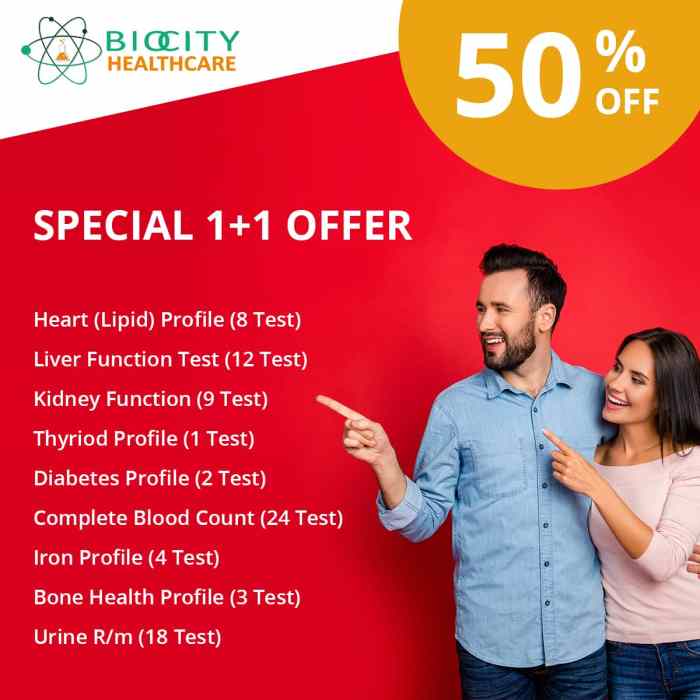
Health Checkup Packages Near Me
Regular health checkups offer numerous benefits for individuals, including early detection of potential health issues, prevention of diseases, and maintenance of overall well-being. These checkups help in monitoring vital health parameters and identifying any deviations from normal levels.
Choosing health checkup packages tailored to individual needs is crucial as it ensures that specific health concerns or risk factors are addressed comprehensively. Tailored packages may include specialized tests or screenings based on age, gender, medical history, and lifestyle factors. This personalized approach can lead to more accurate diagnoses and effective preventive measures.
Frequency of Health Checkups
It is recommended that individuals undergo a comprehensive health checkup at least once a year. However, the frequency may vary based on age, medical history, family history of diseases, and lifestyle choices. For those with existing health conditions or risk factors, more frequent checkups may be necessary to closely monitor their health status and adjust treatment plans accordingly.
Regular health checkups play a vital role in maintaining optimal health and well-being. By choosing tailored packages and undergoing checkups at appropriate intervals, individuals can take proactive steps towards preventing diseases and ensuring early intervention when needed.
Healthy Snacks
When it comes to maintaining a healthy lifestyle, choosing the right snacks can play a crucial role in promoting overall well-being. Nutrient-rich snacks can provide essential vitamins, minerals, and energy to keep you going throughout the day. On the other hand, unhealthy snacking habits can lead to weight gain, nutritional deficiencies, and various health issues. Here are some examples of nutrient-rich snacks and tips on how to make healthier choices when you’re on the go.
Nutrient-Rich Snacks
- Fresh fruit such as apples, bananas, and berries
- Raw vegetables like carrot sticks, cucumber slices, and cherry tomatoes
- Nuts and seeds such as almonds, walnuts, and pumpkin seeds
- Greek yogurt with a drizzle of honey and mixed berries
- Whole grain crackers with hummus or guacamole
Impact of Unhealthy Snacking Habits
Unhealthy snacking habits, such as consuming sugary snacks, processed foods, and high-fat treats, can lead to weight gain, increased risk of chronic diseases, and low energy levels. These snacks are often high in calories, sugar, and unhealthy fats, which can negatively impact your overall health and well-being.
Tips for Choosing Healthy Snacks On the Go
- Avoid vending machines and fast food joints by packing your own snacks from home.
- Opt for whole foods like fruits, vegetables, nuts, and seeds for a nutritious boost.
- Look for snacks that are high in fiber, protein, and healthy fats to keep you full and satisfied.
- Read food labels to avoid snacks with added sugars, artificial ingredients, and preservatives.
- Stay hydrated and carry a bottle of water to curb cravings and stay energized throughout the day.
Wellness Programs
Wellness programs are designed to promote the overall health and well-being of individuals through a variety of initiatives and activities. These programs typically include a combination of educational resources, fitness classes, mental health support, and incentives to encourage healthy behaviors.
Components of a Comprehensive Wellness Program
A comprehensive wellness program may include:
- Health screenings and assessments to identify risk factors
- Nutrition and exercise guidance to promote healthy lifestyle habits
- Mental health resources such as counseling services or stress management tools
- Incentives for participation in wellness activities
- Educational workshops on topics like nutrition, fitness, and stress reduction
Role of Wellness Programs in Improving Employee Productivity
Wellness programs play a crucial role in improving employee productivity by:
- Reducing absenteeism due to illness
- Boosting morale and job satisfaction
- Increasing energy levels and focus
- Decreasing stress and burnout
- Promoting a positive work environment
Contribution of Wellness Programs to a Healthier Lifestyle
Wellness programs can contribute to a healthier lifestyle by:
- Empowering individuals to make informed decisions about their health
- Promoting regular physical activity and healthy eating habits
- Providing resources for managing stress and mental health
- Creating a supportive community for individuals to engage in healthy behaviors
- Encouraging preventive care and early detection of health issues
Physical Therapy
Physical therapy plays a crucial role in rehabilitation and recovery by helping individuals regain strength, flexibility, and mobility after an injury or surgery. It focuses on improving overall physical function and reducing pain to enhance the quality of life.
Benefits of Physical Therapy
- Enhances flexibility and range of motion
- Increases muscle strength and endurance
- Improves balance and coordination
- Reduces pain and inflammation
- Boosts overall physical function and mobility
Common Conditions Treated through Physical Therapy
- Post-surgical rehabilitation
- Sports injuries
- Back and neck pain
- Arthritis
- Stroke recovery
Importance of Following a Physical Therapy Plan
- Consistency leads to better outcomes
- Helps prevent re-injury or complications
- Promotes long-term physical health and wellness
- Customized plans cater to individual needs and goals
Health Coaching
Health coaching plays a crucial role in guiding individuals towards making better health choices and achieving their wellness goals. By providing personalized support and motivation, health coaches empower individuals to take control of their health and well-being.
Setting and Achieving Health Goals
- Health coaching helps individuals set realistic and achievable health goals based on their unique needs and circumstances.
- Coaches work with clients to create actionable plans and strategies to reach these goals, providing accountability and support along the way.
- Regular check-ins and progress assessments help individuals stay on track and make necessary adjustments to their health goals.
Impact on Long-Term Behavior Change
- Health coaching goes beyond just setting short-term goals by focusing on sustainable behavior change for long-term health benefits.
- Coaches help individuals identify and address underlying factors that may be hindering their progress towards better health.
- Through continuous support and guidance, health coaching can lead to lasting lifestyle changes that improve overall health and well-being.
Medical Advancements
Medical technology has been rapidly evolving, leading to significant advancements in patient care outcomes. These innovations have revolutionized the healthcare industry, improving diagnosis, treatment, and overall quality of care for patients worldwide.
Robot-Assisted Surgery
Robot-assisted surgery has transformed the way complex surgical procedures are performed. By allowing surgeons to operate with enhanced precision and control, robots minimize the risk of human error and reduce recovery times for patients. This technology has been particularly beneficial in areas such as minimally invasive surgery and oncology.
Telemedicine
Telemedicine has become increasingly popular, especially in light of the COVID-19 pandemic. This technology allows patients to consult with healthcare providers remotely, accessing medical advice and treatment from the comfort of their own homes. Telemedicine has improved access to care for individuals in remote areas and those with mobility issues.
Artificial Intelligence in Healthcare
Artificial intelligence (AI) has been integrated into various aspects of healthcare, from diagnostics to personalized treatment plans. AI algorithms can analyze large volumes of medical data to identify patterns and predict outcomes, leading to more accurate diagnoses and tailored interventions. This technology has the potential to revolutionize patient care by improving efficiency and effectiveness.
3D Printing in Medicine
3D printing technology has made significant strides in the field of medicine, allowing for the creation of customized implants, prosthetics, and even human tissue. This innovation has enabled healthcare providers to deliver personalized care solutions to patients, enhancing treatment outcomes and reducing recovery times. 3D printing has the potential to revolutionize regenerative medicine and organ transplantation in the future.
Fitness Goals
Setting realistic fitness goals is essential for long-term success in achieving a healthy lifestyle. By establishing achievable objectives, individuals can track their progress and stay motivated throughout their fitness journey.
Creating a Personalized Fitness Plan
Creating a personalized fitness plan starts with identifying individual goals and objectives. It is important to consider factors such as current fitness level, medical history, lifestyle, and time availability. A personalized plan may include a combination of cardiovascular exercise, strength training, flexibility exercises, and rest days to ensure a well-rounded approach to fitness.
- Consulting with a fitness professional or personal trainer can help in creating a customized plan tailored to individual needs and goals.
- Setting specific, measurable, achievable, relevant, and time-bound (SMART) goals can provide a clear roadmap for progress.
- Tracking progress through journaling, fitness apps, or wearable devices can help individuals stay accountable and make adjustments as needed.
Staying Motivated
Staying motivated to achieve fitness goals can be challenging, but there are strategies to help maintain enthusiasm and commitment.
- Find a workout buddy or join group fitness classes to stay engaged and accountable.
- Rewarding milestones with non-food incentives can provide positive reinforcement and motivation to continue working towards goals.
- Mixing up workouts, trying new activities, and setting short-term goals can prevent boredom and keep motivation levels high.
- Visualizing success, practicing positive self-talk, and focusing on the benefits of a healthy lifestyle can help individuals stay motivated during challenging times.
Balanced Nutrition
Maintaining a balanced diet is crucial for overall health as it provides the necessary nutrients to support our body’s functions and help prevent chronic diseases. A balanced diet consists of a variety of foods in appropriate portions to meet our daily nutritional needs.
Food Groups in a Balanced Diet
- Vegetables: Rich in vitamins, minerals, and fiber, vegetables play a key role in maintaining overall health. Aim to include a variety of colors and types in your meals.
- Fruits: Another important source of vitamins and fiber, fruits are essential for a balanced diet. Opt for whole fruits over juices to maximize the nutritional benefits.
- Protein: Protein sources like lean meats, poultry, fish, eggs, beans, and nuts are essential for building and repairing tissues in the body.
- Whole Grains: Foods like whole wheat, brown rice, oats, and quinoa provide fiber, vitamins, and minerals that are beneficial for health.
- Dairy or Alternatives: Calcium-rich foods like milk, yogurt, and cheese are important for bone health. Consider dairy alternatives if you are lactose intolerant or following a vegan diet.
Tips for Achieving Balanced Nutrition
- Plan your meals ahead of time to ensure you are incorporating a variety of food groups.
- Aim to fill half your plate with fruits and vegetables at each meal.
- Choose whole grains over refined grains for added fiber and nutrients.
- Limit added sugars, salt, and saturated fats in your diet to maintain overall health.
- Stay hydrated by drinking plenty of water throughout the day.
Mental Strength
Maintaining mental strength is crucial for overall well-being as it allows individuals to cope with challenges, stress, and setbacks in a healthy manner. It involves developing resilience, positive mindset, and effective coping strategies to navigate through life’s ups and downs.
Enhancing Mental Resilience
Building mental resilience involves developing the ability to bounce back from adversity, setbacks, and stress. Strategies to enhance mental resilience include practicing self-care, mindfulness, seeking support from loved ones, setting realistic goals, and cultivating a growth mindset.
Benefits of Positive Mindset
Cultivating a positive mindset can lead to improved mental strength and overall well-being. Positive thinking helps individuals to approach challenges with optimism, reduce stress levels, enhance problem-solving skills, and build better relationships. Embracing positivity can also boost self-confidence and motivation to overcome obstacles.
Yoga Practice
Regular yoga practice offers a wide range of physical and mental benefits that contribute to overall well-being. It helps improve flexibility, strength, balance, and posture, while also reducing stress, anxiety, and improving mental clarity.
Types of Yoga Practices and Their Benefits
- Hatha Yoga: Focuses on physical postures and breathing exercises to align the body and mind.
- Vinyasa Yoga: Involves flowing sequences of poses that are synchronized with breath, promoting movement and flexibility.
- Ashtanga Yoga: A fast-paced, intense style that follows a specific sequence of poses to build strength, flexibility, and stamina.
- Bikram Yoga: Consists of a series of 26 challenging poses practiced in a heated room to promote detoxification and flexibility.
Each type of yoga practice offers unique benefits, so it’s essential to explore different styles to find the one that best suits your needs and preferences.
Tips for Beginners Starting a Yoga Practice
- Start with beginner-friendly classes or online tutorials to learn basic poses and breathing techniques.
- Focus on proper alignment and listen to your body to avoid injuries.
- Consistency is key, so aim to practice regularly even if it’s just for a few minutes each day.
- Set realistic goals and be patient with your progress, as improvement takes time and dedication.
Health Education
Health education plays a crucial role in promoting preventive healthcare and empowering individuals to make informed health decisions. By raising awareness about common health issues, it enables people to take proactive steps towards maintaining their well-being.
The Role of Health Education
Health education serves as a key tool in preventive healthcare by providing individuals with the knowledge and skills necessary to make healthy choices. It helps in promoting early detection of diseases, encouraging regular health screenings, and adopting healthy lifestyle habits. By focusing on prevention rather than treatment, health education aims to reduce the burden of illnesses and improve overall quality of life.
- Empowering Individuals: Health education empowers individuals to take control of their health by providing them with the information they need to make informed decisions. This can lead to better health outcomes and improved well-being.
- Raising Awareness: By raising awareness about common health issues such as cardiovascular diseases, diabetes, and obesity, health education helps individuals understand the risk factors and preventive measures associated with these conditions.
- Promoting Healthy Behaviors: Through health education programs, individuals are encouraged to adopt healthy behaviors such as regular exercise, balanced nutrition, and stress management. These lifestyle changes can have a significant impact on overall health and well-being.
Weight Management
Weight management plays a crucial role in overall health and well-being. Maintaining a healthy weight not only helps prevent chronic diseases such as diabetes, heart disease, and obesity but also improves energy levels, mood, and quality of life.
Strategies for Achieving and Maintaining a Healthy Weight
- Follow a balanced diet: Include a variety of fruits, vegetables, whole grains, lean proteins, and healthy fats in your meals. Limit processed foods, sugary drinks, and high-fat snacks.
- Stay active: Incorporate regular physical activity into your routine, such as walking, jogging, swimming, or strength training. Aim for at least 150 minutes of moderate exercise per week.
- Practice portion control: Be mindful of serving sizes and avoid overeating. Use smaller plates, bowls, and utensils to help control portions.
- Stay hydrated: Drink plenty of water throughout the day to stay hydrated and help regulate appetite. Avoid sugary beverages and excessive amounts of caffeine.
Impact of Lifestyle Choices on Effective Weight Management
- Get enough sleep: Lack of sleep can disrupt hunger hormones and lead to weight gain. Aim for 7-9 hours of quality sleep each night.
- Manage stress: Stress can contribute to emotional eating and weight gain. Practice stress-reducing techniques such as deep breathing, meditation, or yoga.
- Seek support: Surround yourself with a supportive network of friends, family, or a health coach to help you stay motivated and accountable in your weight management journey.
- Set realistic goals: Focus on making small, sustainable changes to your diet and exercise routine rather than aiming for rapid weight loss. Celebrate your progress along the way.
Skin Health
Maintaining healthy skin is crucial for overall well-being. Our skin is the body’s largest organ and serves as a protective barrier against external elements. Taking care of our skin not only enhances our physical appearance but also plays a significant role in our health.
Importance of Skincare Routine
Health checkup packages near me – Establishing a consistent skincare routine is essential for promoting skin health. Here are some tips to consider:
- Cleanse: Use a gentle cleanser to remove dirt, oil, and impurities from the skin.
- Moisturize: Hydrate the skin with a suitable moisturizer to maintain its elasticity and prevent dryness.
- Protect: Apply sunscreen daily to shield the skin from harmful UV rays and reduce the risk of skin damage.
Common Skin Conditions and Solutions
Understanding common skin conditions can help you address them effectively. Here are some examples:
- Acne: Maintain a clean skincare routine, avoid touching your face, and consider using products with acne-fighting ingredients like salicylic acid.
- Eczema: Keep the skin moisturized, avoid irritants, and consult a dermatologist for proper treatment options.
- Pigmentation: Use products with ingredients like vitamin C and niacinamide to reduce pigmentation and even out skin tone.
Emotional Health
Emotional health plays a crucial role in our overall well-being, impacting our physical health, relationships, and daily functioning. It involves understanding and managing our emotions effectively to navigate life’s challenges with resilience and positivity.
Impact of Stress on Emotional Health and Ways to Manage It
Stress can take a toll on our emotional health, leading to anxiety, depression, and other mental health issues if left unaddressed. To manage stress effectively, it is essential to incorporate stress-reducing strategies into our daily routine. These may include practicing mindfulness and relaxation techniques, engaging in physical activity, maintaining a healthy work-life balance, seeking support from loved ones or professionals, and prioritizing self-care activities.
Strategies for Fostering Emotional Resilience and Well-being
– Cultivate self-awareness: Recognize and understand your emotions to respond to them in a healthy way.
– Build a strong support system: Surround yourself with positive and supportive relationships that help you cope with life’s challenges.
– Practice self-care: Prioritize activities that bring you joy and relaxation, such as hobbies, exercise, or meditation.
– Develop coping skills: Learn healthy ways to manage stress, such as problem-solving, assertiveness, and communication.
– Seek professional help when needed: If you are struggling with your emotional health, do not hesitate to reach out to a mental health professional for guidance and support.
Health Motivation
Maintaining healthy habits can be challenging, but staying motivated is key to achieving your health and wellness goals. Motivation plays a crucial role in staying committed and making positive changes in your lifestyle. Here are some tips to help you stay motivated on your health journey:
Tips for Staying Motivated, Health checkup packages near me
- Set specific, achievable goals: Break down your larger health goals into smaller, more manageable tasks. This will help you stay focused and motivated as you track your progress.
- Find your ‘why’: Identify your reasons for wanting to improve your health. Whether it’s for your family, to feel more confident, or to live a longer, healthier life, knowing your motivation can help keep you on track.
- Celebrate small victories: Recognize and celebrate the small achievements along the way. This can boost your confidence and motivation to continue working towards your goals.
- Stay positive: Surround yourself with positive influences, whether it’s supportive friends and family or motivational quotes and affirmations. A positive mindset can help you overcome obstacles and stay motivated.
Overcoming Common Obstacles
- Acknowledge setbacks: It’s normal to face challenges on your health journey. Instead of giving up, learn from setbacks and use them as opportunities to grow stronger and more determined.
- Seek support: Don’t be afraid to reach out for help when you need it. Whether it’s a health coach, therapist, or supportive community, having a support system can help you stay motivated and accountable.
- Stay flexible: Be willing to adjust your goals and plans as needed. Life can be unpredictable, so staying flexible and adapting to change can help you stay committed to your health goals.
Physical Activities
Regular physical activities play a crucial role in maintaining overall health and well-being. Incorporating exercise into daily routines brings a wide range of benefits, including improved cardiovascular health, increased strength and flexibility, better mental health, and weight management.
Low-Impact Physical Activities
- Walking: A simple yet effective way to stay active and improve cardiovascular health.
- Swimming: Great for those looking for a low-impact full-body workout.
- Yoga: Helps improve flexibility, balance, and mental well-being.
High-Impact Physical Activities
- Running: Ideal for boosting cardiovascular fitness and burning calories.
- Weightlifting: Helps build muscle strength and improve metabolism.
- HIIT (High-Intensity Interval Training): Effective for burning fat and improving endurance.
Creating a well-rounded exercise routine involves a mix of cardiovascular, strength training, flexibility, and balance exercises. It’s essential to set realistic fitness goals, listen to your body, and gradually increase intensity to avoid injury. Remember to consult with a healthcare provider or fitness professional before starting any new exercise program to ensure it aligns with your health needs and goals.
Health Awareness
Raising awareness about various health issues is crucial in educating individuals about the importance of taking care of their well-being. By increasing health awareness, people are more likely to recognize symptoms early on, leading to timely detection and prevention of diseases.
Role of Community Initiatives
Community initiatives play a significant role in promoting health awareness among the population. These initiatives involve organizing workshops, health fairs, and campaigns to educate individuals about the importance of maintaining a healthy lifestyle. By bringing the community together, these initiatives create a supportive environment that encourages individuals to prioritize their health.
Preventive Medicine
Preventive medicine focuses on identifying and addressing risk factors before they develop into serious health issues. By emphasizing proactive measures, preventive medicine aims to reduce the burden of disease and improve overall health outcomes.
Role of Preventive Screenings and Vaccinations
Regular preventive screenings, such as mammograms, colonoscopies, and blood pressure checks, can help detect potential health problems early on. Vaccinations play a crucial role in preventing infectious diseases by boosting the body’s immune response against specific pathogens.
- Screening tests can detect conditions like cancer, diabetes, and heart disease in their early stages, allowing for timely intervention and treatment.
- Vaccinations protect individuals from diseases like influenza, measles, and hepatitis, reducing the risk of outbreaks and complications.
- By staying up to date with recommended screenings and vaccinations, individuals can lower their risk of developing serious health conditions.
Incorporating Preventive Measures into Daily Lives
Preventive measures that individuals can incorporate into their daily lives include maintaining a healthy diet, staying physically active, getting enough sleep, managing stress, and avoiding harmful habits like smoking and excessive alcohol consumption.
- Eating a balanced diet rich in fruits, vegetables, whole grains, and lean proteins can support overall health and reduce the risk of chronic diseases.
- Engaging in regular exercise, such as walking, jogging, or cycling, can improve cardiovascular health, strengthen muscles, and boost mood.
- Practicing stress-reducing activities like mindfulness, yoga, or meditation can help lower cortisol levels and promote mental well-being.
Nutritional Counseling
Nutritional counseling plays a crucial role in helping individuals achieve their health goals by providing personalized guidance on making sustainable dietary changes. By working closely with a nutritional counselor, individuals can receive expert advice on improving their nutrition, which can lead to better overall health and well-being.
Benefits of Nutritional Counseling
- Customized Nutrition Plans: Nutritional counselors create personalized meal plans tailored to individual needs and preferences, making it easier to stick to a healthy diet.
- Educational Support: Counselors offer valuable information on nutrition, portion control, and food choices, empowering individuals to make informed decisions about their diet.
- Behavioral Changes: Through counseling sessions, individuals can address emotional eating habits, develop healthier eating patterns, and establish long-term dietary changes.
- Health Monitoring: Counselors track progress, adjust nutrition plans as needed, and provide ongoing support to help individuals stay on track with their health goals.
Healthy Mind
Mental health plays a crucial role in our overall well-being, influencing our emotions, thoughts, and behaviors. It is essential to prioritize our mental well-being to lead a healthy and fulfilling life.
Positive thinking and emotional balance are key components of a healthy mindset. By cultivating a positive outlook and managing stress effectively, we can enhance our mental resilience and cope with life’s challenges more effectively.
Strategies for Promoting a Healthy Mindset
- Practice mindfulness and meditation to reduce stress and improve focus.
- Engage in regular physical exercise to boost mood and increase endorphin levels.
- Cultivate strong social connections and seek support from friends and family.
- Set realistic goals and celebrate achievements to boost self-esteem.
- Engage in activities that bring joy and relaxation, such as hobbies or creative pursuits.
General Inquiries
How often should I undergo a health checkup?
It is recommended to have a health checkup annually, but the frequency may vary based on age, family history, and existing health conditions.
What are the benefits of choosing tailored health checkup packages?
Tailored packages ensure that you receive the specific tests and screenings you need based on your individual health requirements, optimizing the effectiveness of the checkup.
Are health checkup packages near me cost-effective?
Yes, these packages often offer bundled services at a discounted rate compared to individual tests, making them a cost-effective option for comprehensive healthcare.