How to maintain mental strength over time: Tips for long-term well-being

How to maintain mental strength over time

Healthy Snacks

Eating healthy snacks plays a crucial role in maintaining mental strength and overall well-being. Incorporating nutritious snacks into your daily diet can provide a steady source of energy and essential nutrients that support brain function.

Examples of Healthy Snacks:

  • Raw nuts and seeds: Almonds, walnuts, chia seeds
  • Fruits: Berries, apples, bananas
  • Vegetables: Carrot sticks, cucumber slices, cherry tomatoes
  • Greek yogurt with honey and nuts

Importance of Healthy Snacks:

Healthy snacks help in stabilizing blood sugar levels, which can prevent mood swings and fatigue. They also provide essential vitamins, minerals, and antioxidants that support brain health and cognitive function. By choosing nutrient-dense snacks over sugary or processed options, you can improve focus, concentration, and overall mental well-being.

Benefits of Healthy Snacks vs. Sugary/Processed Snacks:

  • Healthy snacks provide sustained energy levels without the crash associated with sugary snacks.
  • Nutrient-dense snacks support brain function and cognitive performance, unlike empty-calorie processed snacks.
  • Healthy snacks promote overall well-being by nourishing the body and mind, while sugary snacks can lead to mood fluctuations and energy spikes.

Wellness Programs

Wellness programs encompass a variety of activities and services designed to support mental strength and overall well-being. Engaging in these programs can have a positive impact on long-term mental health by promoting self-care, stress management, and healthy lifestyle habits.

Types of Wellness Programs

  • Mindfulness and Meditation Sessions: These programs focus on techniques to enhance self-awareness, reduce stress, and improve emotional regulation.
  • Physical Fitness Classes: Regular exercise is linked to improved mood, reduced anxiety, and better overall mental health.
  • Nutrition Counseling: Proper nutrition plays a key role in mental well-being, and programs that offer guidance on healthy eating habits can support a balanced mind-body connection.
  • Stress Management Workshops: Learning effective coping strategies and relaxation techniques can help individuals better manage stress and prevent burnout.

Impact of Consistent Participation

Consistently engaging in wellness programs can lead to significant improvements in long-term mental well-being. By incorporating these activities into daily routines, individuals can establish healthy habits that promote resilience, emotional balance, and overall mental strength. Regular participation in wellness programs can also foster a sense of community and support, providing individuals with resources and tools to navigate life’s challenges more effectively.

Physical Therapy

Physical therapy plays a crucial role in improving mental strength by focusing on the connection between physical and mental well-being. Through targeted exercises and techniques, physical therapy can help manage stress, enhance overall mental resilience, and promote a positive mindset.

Exercises and Techniques for Mental Health Benefits

  • Deep Breathing Exercises: Practicing deep breathing techniques can help reduce stress and anxiety levels, promoting relaxation and mental clarity.
  • Progressive Muscle Relaxation: This technique involves tensing and relaxing different muscle groups to release physical tension and calm the mind.
  • Yoga and Pilates: Incorporating yoga or Pilates into physical therapy sessions can improve flexibility, strength, and mindfulness, leading to a more balanced mental state.

Role of Physical Therapy in Managing Stress

  • Stress Reduction: Physical therapy sessions can provide a safe space to release tension, improve posture, and alleviate physical discomfort, which can have a positive impact on mental well-being.
  • Pain Management: Addressing physical pain through therapeutic exercises and modalities can help individuals cope better with stress and prevent it from impacting their mental health.
  • Enhanced Self-Esteem: By improving physical function and mobility, physical therapy can boost self-confidence and self-image, contributing to a more resilient mindset.

Health Coaching

Health coaches play a vital role in helping individuals maintain their mental strength by providing guidance, support, and accountability to make positive lifestyle changes. They focus on empowering clients to take control of their well-being and develop strategies to enhance both their physical and mental health.

Strategies and Tools

  • Setting achievable goals: Health coaches work with clients to set realistic and measurable goals related to mental well-being, such as incorporating mindfulness practices or stress management techniques into their daily routine.
  • Creating personalized wellness plans: By assessing individual needs and preferences, health coaches develop customized wellness plans that address mental health concerns and promote overall well-being.
  • Providing education and resources: Health coaches offer valuable information and resources on mental health topics, including coping strategies, relaxation techniques, and self-care practices.
  • Accountability and motivation: Regular check-ins and support from a health coach help individuals stay motivated and committed to their mental health goals, fostering long-term resilience.

Importance of Regular Sessions

Regular sessions with a health coach are essential for sustaining mental resilience as they provide continuous guidance, encouragement, and feedback to help individuals navigate challenges and setbacks. These sessions offer a safe space for clients to discuss their progress, address any concerns or obstacles, and adjust their wellness plan as needed. Consistent support from a health coach can significantly improve mental well-being and empower individuals to maintain a strong and resilient mindset over time.

Medical Advancements

Medical advancements in the field of mental health have significantly improved the way we approach and treat various conditions. These innovations have not only enhanced the effectiveness of treatments but also provided new possibilities for individuals looking to maintain their mental well-being over time.

Technological Innovations in Mental Health

Technological innovations have revolutionized mental health treatments by offering new tools and platforms for both patients and healthcare providers. Telemedicine, for example, has made mental health services more accessible to individuals who may have difficulty accessing traditional in-person care. Additionally, virtual reality therapy has emerged as a promising treatment option for conditions such as PTSD and anxiety. These advancements have not only increased the reach of mental health care but also improved the overall patient experience.

Comparison of Traditional vs. Modern Mental Health Care

Traditional methods of mental health care often relied heavily on talk therapy and medication as primary treatment options. While these approaches are still widely used and effective, modern medical advancements have introduced new therapies and interventions that offer more personalized and targeted solutions for individuals. For instance, genetic testing can now help determine the most effective medication for a patient based on their unique genetic makeup. Brain stimulation techniques such as transcranial magnetic stimulation (TMS) have also shown promising results in treating conditions like depression. Overall, modern medical advancements have expanded the treatment options available for mental health conditions, leading to more tailored and effective care plans.

Fitness Goals

Setting fitness goals plays a crucial role in building and maintaining mental strength. When you have clear objectives to work towards, it provides a sense of purpose and direction, which can help boost your mental resilience and overall well-being.

Creating Realistic Fitness Goals

  • Start small and gradually increase the intensity or duration of your workouts to avoid overwhelm.
  • Focus on specific, measurable, achievable, relevant, and time-bound (SMART) goals to track your progress effectively.
  • Consider your current fitness level, schedule, and preferences when setting goals to ensure they are realistic and attainable.
  • Seek guidance from a fitness professional or health coach to help you create a personalized plan that aligns with your mental health objectives.

Psychological Benefits of Achieving Fitness Goals

  • Boosted self-esteem: Accomplishing fitness goals can enhance your self-confidence and belief in your abilities, which can translate to improved mental strength.
  • Stress relief: Physical activity releases endorphins, also known as “feel-good” hormones, which can reduce feelings of stress and anxiety, promoting mental resilience.
  • Improved focus and concentration: Regular exercise can enhance cognitive function, making it easier to stay focused and maintain mental clarity in challenging situations.
  • Sense of accomplishment: Reaching fitness milestones can provide a sense of achievement and satisfaction, reinforcing positive behaviors that contribute to mental well-being.

Balanced Nutrition

Maintaining mental strength is not only about emotional resilience and determination but also about providing your brain with the necessary nutrients to function optimally. Balanced nutrition plays a crucial role in supporting mental well-being by ensuring that your brain receives the essential nutrients it needs to regulate mood and cognitive function effectively.

Essential Nutrients for Mental Well-being

  • Omega-3 fatty acids: Found in fatty fish, flaxseeds, and walnuts, omega-3 fatty acids are important for brain health and have been linked to improved mood and cognitive function.
  • Vitamin D: Known as the sunshine vitamin, vitamin D plays a role in regulating mood and has been associated with a lower risk of depression.
  • B vitamins: B vitamins, including B6, B12, and folate, are essential for brain function and play a key role in the production of neurotransmitters that affect mood.
  • Magnesium: Magnesium is involved in over 600 enzymatic reactions in the body, including those related to brain function and mood regulation.

Impact of a Balanced Diet on Mental Well-being

How to maintain mental strength over time – A balanced diet rich in essential nutrients not only supports overall physical health but also has a significant impact on mood regulation and cognitive function. Nutrient deficiencies can lead to imbalances in neurotransmitters, such as serotonin and dopamine, which can affect mood and mental well-being.

By consuming a variety of nutrient-dense foods, you can ensure that your brain receives the necessary building blocks to function optimally, leading to improved mood, cognitive function, and overall mental strength.

Mental Strength
How to maintain mental strength over time
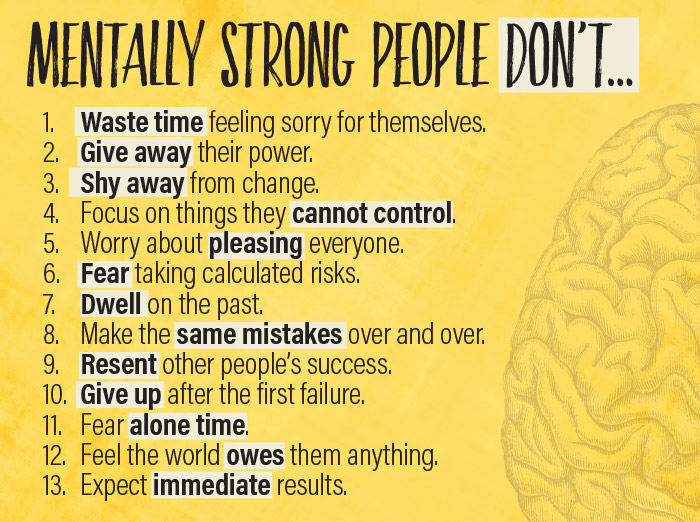
In the context of overall well-being, mental strength refers to the ability to effectively cope with challenges, stress, and setbacks in life. It involves resilience, perseverance, and a positive mindset that allows individuals to navigate difficult situations with grace and determination.

Strategies for Enhancing Mental Strength

  • Practice gratitude daily to shift focus towards positivity.
  • Engage in regular physical exercise to boost endorphins and improve mood.
  • Develop healthy coping mechanisms such as deep breathing or meditation.
  • Set realistic goals and celebrate small victories along the way.
  • Seek support from friends, family, or a therapist when needed.

Importance of Practicing Self-Care and Mindfulness

Self-care and mindfulness play a crucial role in nurturing mental strength by promoting self-awareness, stress reduction, and emotional regulation. Taking time to prioritize self-care activities such as relaxation, hobbies, or social connections can help recharge mental resilience and enhance overall well-being. Mindfulness practices, such as meditation or yoga, can also improve focus, clarity, and emotional stability, contributing to a stronger mindset to face life’s challenges.

Yoga Practice

Regular yoga practice is a powerful tool in maintaining mental strength. The combination of physical postures, breathing techniques, and mindfulness in yoga can have profound effects on our overall well-being.

Specific Yoga Poses and Breathing Techniques

  • One beneficial pose for mental well-being is the Child’s Pose (Balasana), which helps to calm the mind and relieve stress.
  • Pranayama, or controlled breathing exercises, such as Alternate Nostril Breathing (Nadi Shodhana), can help to balance the nervous system and reduce anxiety.
  • Mindful breathing techniques like the 4-7-8 Breath, where you inhale for 4 counts, hold for 7 counts, and exhale for 8 counts, can promote relaxation and mental clarity.

Holistic Benefits of Yoga

  • Yoga not only improves physical flexibility and strength but also enhances mental clarity and focus.
  • Regular yoga practice can reduce symptoms of depression, anxiety, and chronic stress by promoting relaxation and mindfulness.
  • By connecting the body and mind through movement and breath, yoga helps individuals cultivate a sense of inner peace and emotional resilience.

Health Education

Maintaining mental strength over time requires ongoing health education to stay informed and empowered in making decisions that positively impact mental well-being. Health literacy plays a crucial role in understanding mental health topics, recognizing signs of distress, and seeking appropriate support when needed.

Importance of Health Education for Mental Strength

  • Continuous learning about mental health helps individuals recognize the importance of self-care practices and coping mechanisms.
  • Education on mental health reduces stigma and discrimination associated with mental illness, promoting a more supportive and understanding community.
  • Access to up-to-date information and resources empowers individuals to take proactive steps in managing their mental well-being.

Role of Health Literacy in Mental Well-being

  • Health literacy enables individuals to understand mental health conditions, treatment options, and the importance of seeking help from qualified professionals.
  • Improved health literacy leads to better communication with healthcare providers, resulting in more effective treatment and support for mental health concerns.
  • Understanding the impact of lifestyle choices on mental well-being helps individuals make informed decisions regarding their overall health.

Resources for Continuous Health Education on Mental Health

  • Online platforms such as reputable mental health websites, podcasts, and webinars offer a wealth of information on various mental health topics.
  • Local community centers, mental health clinics, and support groups provide educational workshops and seminars on coping strategies, stress management, and mental health awareness.
  • Mental health apps and digital resources offer tools for tracking mood, practicing mindfulness, and accessing therapy or counseling services remotely.

Weight Management

Maintaining a healthy weight is not just about physical appearance, but it also plays a crucial role in mental well-being. The connection between weight management and mental strength is significant as it can impact self-esteem, confidence, and overall mood.

Tips for Maintaining a Healthy Weight

  • Follow a balanced diet: Include a variety of fruits, vegetables, whole grains, lean proteins, and healthy fats in your meals.
  • Stay active: Regular exercise not only helps in managing weight but also boosts mood and mental clarity.
  • Stay hydrated: Drink an adequate amount of water throughout the day to support metabolism and reduce cravings.
  • Get enough sleep: Lack of sleep can disrupt hormones related to hunger and cravings, leading to weight gain.
  • Manage stress: Stress can lead to emotional eating and weight gain, so practicing stress-reducing activities like yoga or meditation is essential.

Psychological Impact of Weight Fluctuations, How to maintain mental strength over time

Weight fluctuations can have a significant psychological impact on mental health. It can lead to feelings of guilt, shame, and low self-esteem, which in turn can affect overall mental well-being. It is essential to focus on maintaining a healthy weight through sustainable lifestyle changes rather than quick fixes to support both physical and mental health.

Health Checkups: How To Maintain Mental Strength Over Time

Regular health checkups play a crucial role in monitoring mental health indicators and overall well-being. By scheduling routine checkups, individuals can identify any potential issues early on and take proactive steps to address them.

Key Health Metrics to Assess During Routine Checkups

  • Blood pressure: High blood pressure can contribute to stress and anxiety.
  • Cholesterol levels: Imbalances in cholesterol can impact brain function and mood.
  • Blood sugar levels: Fluctuations in blood sugar can affect cognitive functions and mood stability.
  • Thyroid function: Thyroid disorders can lead to symptoms of depression and anxiety.
  • Vitamin D levels: Low levels of vitamin D have been linked to depression and other mental health issues.
  • Sleep patterns: Poor sleep can exacerbate mental health conditions.

Role of Preventive Healthcare in Identifying Early Signs of Mental Health Issues

Preventive healthcare focuses on identifying risk factors and symptoms before they escalate into serious conditions. By incorporating mental health screenings and assessments into routine checkups, healthcare providers can detect early signs of mental health issues such as depression, anxiety, or cognitive decline. This proactive approach allows for timely interventions and treatment plans to be implemented, ultimately promoting better mental well-being.

Skin Health

Maintaining good skin health is not only important for physical appearance but also plays a significant role in mental well-being. The condition of our skin can impact our self-esteem, confidence, and overall mental health.

Skincare Practices for Mental Strength

  • Establishing a consistent skincare routine can provide a sense of self-care and boost confidence.
  • Practicing relaxation techniques while applying skincare products can help reduce stress and promote a sense of calm.
  • Using sunscreen daily not only protects the skin but also prevents anxiety related to sun damage.
  • Choosing skincare products with soothing scents or textures can create a calming sensory experience.

Skin Conditions and Mental Health

  • Skin conditions such as acne, eczema, or psoriasis can negatively impact self-esteem and lead to feelings of insecurity or depression.
  • The visible nature of skin conditions can cause social anxiety and affect one’s overall mental well-being.
  • Seeking professional help and treatment for skin conditions is essential to improve both physical symptoms and psychological distress.
  • Practicing self-compassion and self-acceptance can help individuals cope with the emotional challenges of managing skin conditions.

Emotional Health

How to maintain mental strength over time
Emotional health plays a crucial role in maintaining mental strength. It involves being aware of and effectively managing emotions, which can impact our overall well-being and resilience.

Importance of Emotional Health

Emotional health is essential for coping with stress, building healthy relationships, and making sound decisions. It allows individuals to navigate challenges with a positive outlook and adapt to changes effectively.

  • Practicing self-care: Engaging in activities that bring joy and relaxation can help regulate emotions and reduce stress levels.
  • Seeking support: Talking to friends, family, or a therapist can provide valuable insights and emotional validation during difficult times.
  • Developing emotional intelligence: Understanding and expressing emotions in a healthy way fosters better communication and relationship management.
  • Cultivating gratitude: Acknowledging and appreciating the positive aspects of life can improve overall emotional well-being.

Connection between Emotional Intelligence and Mental Strength

Emotional intelligence, which involves recognizing and managing emotions effectively, is closely linked to mental strength. Those with high emotional intelligence tend to have better coping mechanisms, problem-solving skills, and resilience in the face of adversity.

Emotional intelligence helps individuals navigate complex emotions, build healthier relationships, and make informed decisions, contributing to long-term mental well-being.

Health Motivation

Maintaining mental strength requires consistent motivation to stay committed to healthy habits. Without proper motivation, it can be challenging to overcome obstacles and setbacks on the journey to mental well-being.

Role of Intrinsic and Extrinsic Motivation

Intrinsic motivation comes from within, driven by personal values, beliefs, and goals. This type of motivation is essential for long-term success in maintaining mental strength. On the other hand, extrinsic motivation involves external factors such as rewards, recognition, or social approval. While extrinsic motivation can provide temporary boosts, intrinsic motivation is more sustainable in the long run.

  • Set meaningful goals: Define clear and achievable goals that align with your values and priorities to enhance intrinsic motivation.
  • Find purpose: Connect your mental health goals to a greater purpose or passion to stay motivated during challenging times.
  • Celebrate small victories: Acknowledge and celebrate your progress, no matter how small, to boost intrinsic motivation and confidence.
  • Seek support: Surround yourself with a supportive network of friends, family, or professionals who can provide encouragement and accountability.

Tips for Overcoming Motivation Slumps

Motivation slumps are common and can derail your efforts to maintain mental strength. Here are some tips to overcome slumps and stay committed to your mental health goals:

  1. Revisit your why: Remind yourself why mental health is important to you and how it aligns with your values and aspirations.
  2. Change your routine: Introduce variety and new challenges to prevent boredom and stagnation in your mental health journey.
  3. Practice self-care: Prioritize self-care activities that rejuvenate your mind and body, such as meditation, journaling, or spending time in nature.
  4. Stay flexible: Be open to adjusting your goals and strategies as needed to adapt to changing circumstances and challenges.

Physical Activities

Regular physical activities play a crucial role in maintaining mental strength. Engaging in physical exercise can help reduce stress, improve mood, boost self-esteem, and enhance cognitive function. It also promotes better sleep, increases energy levels, and reduces symptoms of anxiety and depression.

Examples of Physical Activities

  • Cardiovascular exercises like running, swimming, or cycling
  • Strength training with weights or resistance bands
  • Yoga or Pilates for flexibility and mindfulness
  • Dance classes for a fun and social workout
  • Hiking or nature walks for a refreshing outdoor experience

Correlation between Physical Fitness and Mental Resilience

Regular physical activity not only improves physical health but also plays a vital role in building mental resilience. Exercise stimulates the release of endorphins, the body’s natural feel-good chemicals, which can help combat feelings of stress and anxiety. Additionally, staying physically active can improve self-discipline, confidence, and overall mental well-being. By maintaining a consistent exercise routine, individuals can enhance their ability to cope with challenges and setbacks, ultimately fostering a strong and resilient mindset.

Health Awareness

Raising awareness about mental health issues is crucial in today’s society. It helps to break down the stigma surrounding mental health and encourages open discussions about emotional well-being. By promoting mental health awareness, individuals can create a supportive environment where people feel comfortable seeking help and sharing their struggles without fear of judgment.

Importance of Destigmatizing Mental Health Discussions

Destigmatizing mental health discussions is essential for fostering a supportive environment where individuals feel empowered to prioritize their emotional well-being. By normalizing conversations about mental health, we can encourage people to seek help when needed and break down barriers to accessing mental health resources.

Ways to Promote Mental Health Awareness

  • Educate yourself and others about mental health issues through workshops, seminars, and online resources.
  • Participate in mental health advocacy events to raise awareness and reduce stigma in your community.
  • Share your own experiences with mental health to help others feel less alone and encourage open dialogue.
  • Support mental health organizations through donations, volunteer work, or fundraising efforts.
  • Encourage schools, workplaces, and community centers to implement mental health programs and resources.

Preventive Medicine

Preventive medicine plays a crucial role in maintaining mental strength by focusing on early detection and intervention to prevent the onset of mental health challenges. By incorporating proactive healthcare practices, individuals can significantly reduce the risk of developing mental health issues and improve overall well-being.

Examples of Preventive Measures

  • Regular mental health screenings to identify any early signs of anxiety, depression, or other mental health disorders.
  • Engaging in stress management techniques such as meditation, mindfulness, or relaxation exercises to reduce the impact of stress on mental health.
  • Maintaining a healthy lifestyle through regular exercise, balanced nutrition, and quality sleep to support mental resilience.
  • Seeking professional help and counseling when facing challenging life situations or emotional distress to prevent the escalation of mental health issues.

Long-Term Benefits of Proactive Healthcare Practices

  • Reduced risk of developing chronic mental health conditions and disorders, leading to improved quality of life.
  • Enhanced resilience and coping skills to effectively manage stress, setbacks, and challenges in life.
  • Promotion of overall mental well-being and emotional balance, fostering a positive outlook and mindset.
  • Increased awareness and self-care practices that empower individuals to take control of their mental health and seek help when needed.

Nutritional Counseling

Nutritional counseling plays a crucial role in supporting mental health by providing individuals with personalized guidance on how to maintain a balanced diet that can positively impact their overall well-being. By seeking nutritional counseling, individuals can gain valuable insights into how certain foods and nutrients can affect their mood, energy levels, and cognitive function.

Benefits of Nutritional Counseling for Mental Health Support

  • Customized Nutrition Plans: Nutritional counselors can create personalized meal plans tailored to an individual’s specific mental health needs, helping them optimize their diet for better emotional well-being.
  • Educational Resources: Through counseling sessions, individuals can learn about the connection between nutrition and mental health, empowering them to make informed choices about their diet.
  • Behavioral Changes: Nutritional counseling can assist individuals in developing healthier eating habits and making sustainable lifestyle changes that support their mental resilience.

Common Approaches in Nutritional Counseling for Mental Health

  • Food Journaling: Keeping track of food intake can help identify patterns between diet and mood, enabling counselors to make targeted recommendations for improvement.
  • Meal Planning: Creating balanced meal plans that include nutrient-rich foods essential for mental health, such as omega-3 fatty acids and B vitamins.
  • Supplementation Guidance: Recommending appropriate supplements to address any nutritional deficiencies that may be impacting mental well-being.

Impact of Personalized Nutrition Plans on Mental Strength

  • Enhanced Mood: A nutrition plan tailored to support mental health can help stabilize mood and reduce symptoms of anxiety and depression.
  • Improved Cognitive Function: Nutrient-dense foods can enhance cognitive performance and focus, contributing to better mental clarity and resilience.
  • Stress Management: Proper nutrition can play a key role in stress management, helping individuals cope better with life’s challenges and maintain a positive mindset.

Healthy Mind

Maintaining a healthy mind is crucial for overall well-being as it directly impacts our mental strength and resilience. A healthy mind allows us to cope with stress, make better decisions, and maintain a positive outlook on life. It involves a combination of practices and habits that promote emotional balance, cognitive function, and psychological well-being.

Practices for Nurturing a Healthy Mind

  • Regular exercise: Physical activity can help reduce stress and anxiety while boosting mood-enhancing chemicals in the brain.
  • Mindfulness meditation: Practicing mindfulness can increase self-awareness, reduce negative thinking patterns, and improve focus and concentration.
  • Journaling: Expressing thoughts and emotions through writing can help process difficult feelings and promote mental clarity.
  • Social connections: Building and maintaining strong relationships with others can provide emotional support and a sense of belonging.
  • Adequate sleep: Getting enough rest is essential for cognitive function, emotional regulation, and overall mental health.

Mindfulness Techniques for a Healthy Mind

  • Deep breathing exercises: Taking slow, deep breaths can help calm the mind and reduce stress levels.
  • Body scan meditation: Focusing on different parts of the body can promote relaxation and body awareness.
  • Gratitude practice: Acknowledging and appreciating the positive aspects of life can enhance overall well-being and perspective.
  • Visualization: Imagining peaceful and positive scenarios can help reduce anxiety and promote a sense of calm.
  • Progressive muscle relaxation: Tensing and releasing muscle groups can help alleviate physical tension and promote relaxation.

FAQ Resource

How can balanced nutrition support mental strength?

Balanced nutrition plays a key role in maintaining mental well-being by providing essential nutrients for mood regulation and cognitive function.

What is the significance of preventive medicine in mental strength?

Preventive medicine helps in averting mental health challenges by focusing on proactive healthcare practices for long-term well-being.

How does emotional health contribute to mental strength?

Emotional health is vital for maintaining mental resilience as it influences how individuals cope with stress and challenges over time.

Mental strength strategies for students: Building Resilience and Success

Mental strength strategies for students

Mental Strength Strategies for Students

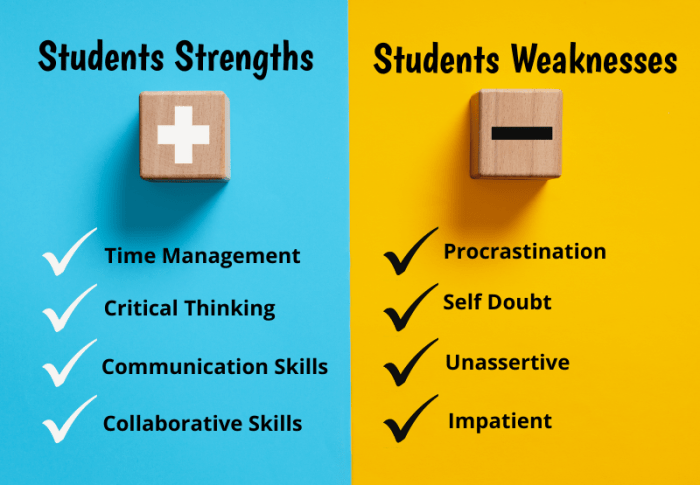
Mental strength strategies for students – Mental strength is crucial for academic success as it helps students navigate challenges, setbacks, and pressures effectively. It allows them to stay focused, motivated, and resilient in the face of difficulties.

Techniques to Improve Mental Resilience

  • Practice mindfulness and meditation to stay calm and centered during stressful times.
  • Set realistic goals and break them down into manageable steps to avoid feeling overwhelmed.
  • Engage in regular physical exercise to boost endorphins and reduce stress.
  • Develop a strong support system of friends, family, or mentors to lean on during tough times.
  • Challenge negative thoughts and replace them with positive affirmations to build a more optimistic mindset.

Role of Positive Thinking in Building Mental Strength

Positive thinking plays a crucial role in building mental strength by helping students reframe challenges as opportunities for growth. By maintaining a positive outlook, students can approach setbacks with resilience and determination.

Real-Life Stories of Students Overcoming Challenges

“I struggled with self-doubt and anxiety during exams, but through daily affirmations and mindfulness practices, I was able to stay focused and perform to the best of my abilities.” – Sarah, College Student

“After facing a major setback in my academic career, I sought support from friends and mentors who helped me regain my confidence and motivation to keep pushing forward.” – Alex, High School Student

Healthy Snacks for Students

When it comes to maintaining focus and energy levels throughout the day, incorporating healthy snacks into a student’s daily diet can make a significant difference. Not only do nutritious snacks provide essential nutrients for brain function, but they also help students stay alert and focused during study sessions.

Nutritious Snack Options

  • Almonds: Packed with protein and healthy fats, almonds are a great snack for sustained energy.
  • Greek yogurt with berries: This combination provides a mix of protein, fiber, and antioxidants.
  • Carrot sticks with hummus: A crunchy and satisfying snack that offers a good balance of carbohydrates and protein.

Benefits of Healthy Snacks

  • Improved brain function: Nutrient-dense snacks can enhance cognitive abilities and memory retention.
  • Sustained energy levels: Healthy snacks prevent energy crashes and help students stay focused for longer periods.
  • Healthy weight management: Snacking on nutritious foods can aid in weight control and overall well-being.

Easy Recipes for Quick Snacks

  • Energy balls: Mix oats, nut butter, honey, and seeds, then roll into bite-sized balls for a quick and energizing snack.
  • Fruit and nut mix: Combine dried fruits, nuts, and a sprinkle of dark chocolate chips for a tasty and nutritious snack on the go.
  • Veggie wrap: Fill a whole-grain tortilla with hummus, sliced veggies, and a handful of greens for a satisfying and portable snack.

Improving Focus with Healthy Snacking

Healthy snacking plays a crucial role in maintaining focus and concentration during study sessions. By fueling the body with nutrient-rich foods, students can avoid distractions caused by hunger and fatigue, allowing them to stay alert and productive for longer periods of time.

Wellness Programs on Campus: Mental Strength Strategies For Students

Mental strength strategies for students

Wellness programs on campus play a crucial role in supporting students’ mental health, physical well-being, and overall academic success. These programs provide resources, activities, and services to help students lead a healthy and balanced lifestyle.

Various Wellness Programs Available

  • Counseling Services: Many educational institutions offer counseling services where students can seek professional help for mental health issues, stress management, and other concerns.
  • Fitness Classes: Wellness programs often include fitness classes such as yoga, Zumba, or spin classes to encourage students to stay active and maintain physical health.
  • Nutritional Workshops: Workshops on nutrition and healthy eating habits are commonly provided to educate students on making better food choices and promoting overall wellness.

Comparison of Wellness Initiatives

  • Mental Health Support: Some wellness programs focus primarily on mental health support through counseling services, support groups, and mindfulness activities.
  • Physical Activity Promotion: Other initiatives prioritize physical activity by offering a variety of fitness classes, intramural sports, and outdoor recreational activities to keep students active.
  • Nutrition Education: Wellness programs also emphasize nutrition education by providing workshops, cooking classes, and access to healthy food options on campus.

Impact of Wellness Programs

Participating in wellness programs has been shown to have a positive impact on student performance and well-being. Students who engage with these programs often experience reduced stress levels, improved focus, and better overall health, leading to enhanced academic success.

Tips for Engaging with Wellness Programs

  • Stay Informed: Keep an eye out for wellness program announcements and events on campus bulletin boards, websites, and social media to stay informed.
  • Attend Workshops: Make an effort to attend counseling sessions, fitness classes, and nutrition workshops to take advantage of the resources available.
  • Get Involved: Consider joining wellness-related clubs or organizations on campus to meet like-minded individuals and stay motivated in your wellness journey.

Physical Therapy for Students

Physical therapy can be a valuable tool for students to manage stress and improve their physical health. By incorporating physical therapy techniques into their routine, students can experience reduced muscle tension, increased flexibility, and overall better well-being.

Benefits of Physical Therapy for Students

  • Improved posture and alignment
  • Enhanced muscle strength and endurance
  • Decreased pain and discomfort
  • Enhanced relaxation and stress relief

Common Physical Therapy Techniques for Students

  • Stretching exercises to improve flexibility
  • Strength training to build muscle tone
  • Postural correction techniques to address alignment issues
  • Massage therapy for relaxation and stress relief

Success Stories from Students

“After incorporating physical therapy into my routine, I noticed a significant decrease in my stress levels and improved overall physical health. I feel more energized and focused in my studies.”

Finding Reputable Physical Therapy Services for Students

  • Check with your university health center for recommendations
  • Research online reviews and ratings of local physical therapy clinics
  • Ask for referrals from friends or family members who have had positive experiences
  • Verify the credentials and experience of the physical therapists before scheduling an appointment

Health Coaching for Students

Health coaching plays a crucial role in guiding students towards a healthier lifestyle by providing personalized support and guidance to help them make positive changes in their habits and behaviors. By focusing on the individual needs and goals of each student, health coaching aims to improve overall well-being and enhance the quality of life.

Benefits of One-on-One Health Coaching

  • Personalized Support: Students receive tailored guidance and support to address their specific health concerns and goals.
  • Accountability: Health coaches help students stay accountable and motivated to make sustainable changes in their lifestyle.
  • Educational Resources: Coaches provide valuable information and resources to empower students to make informed decisions about their health.
  • Improved Health Outcomes: One-on-one health coaching has been shown to lead to improved health outcomes, including better management of chronic conditions and overall wellness.

Tips for Students to Benefit from Health Coaching Services

  • Set Clear Goals: Define specific and achievable health goals that you want to work on with your health coach.
  • Be Open and Honest: Share your concerns, challenges, and preferences openly with your health coach to receive the best support.
  • Stay Committed: Commit to the process and actively engage with your health coach to make meaningful progress towards a healthier lifestyle.
  • Ask Questions: Don’t hesitate to ask questions and seek clarification on any aspect of your health coaching sessions.

Accessing Health Coaching Resources at Educational Institutions

Students can access health coaching resources at educational institutions through various channels, such as:

  • Health and Wellness Centers: Many colleges and universities have dedicated health and wellness centers that offer health coaching services to students.
  • Student Health Services: Student health services often provide access to health coaching programs and resources to support students’ well-being.
  • Online Platforms: Some educational institutions offer online health coaching services or resources that students can access remotely.
  • Workshops and Events: Health coaching workshops and events may be organized on campus to provide students with information and support on improving their health.

Medical Advancements in Student Health

Mental strength strategies for students
Medical advancements play a crucial role in improving student health and well-being by providing innovative solutions and treatments. Technological innovations have significantly enhanced healthcare services for students, making it easier to access quality medical care on campus or remotely. Let’s explore some recent medical breakthroughs that have positively impacted student healthcare and discuss the importance of staying updated on these advancements for better health outcomes.

Telemedicine Services

Telemedicine services have revolutionized the way students receive medical care by allowing them to consult healthcare providers virtually. This advancement enables students to access healthcare services from the comfort of their dorm rooms or homes, eliminating the need to visit a physical clinic for non-emergency medical issues.

Mobile Health Apps

The development of mobile health apps has empowered students to track their health metrics, access educational resources, and schedule appointments with healthcare professionals seamlessly. These apps promote proactive health management and provide personalized health recommendations based on individual needs and preferences.

Precision Medicine

Precision medicine utilizes genetic information and advanced technologies to tailor medical treatments to individual patients, optimizing efficacy and reducing adverse effects. This approach allows healthcare providers to deliver personalized care to students based on their genetic makeup, lifestyle factors, and medical history.

Robotic Surgery

Robotic surgery techniques have improved surgical precision, leading to faster recovery times and reduced complications for students undergoing complex procedures. The use of robotics in surgery enhances the overall safety and success rates of medical interventions, providing students with advanced treatment options.

Importance of Staying Informed

Staying updated on medical advancements is crucial for students to make informed decisions about their health and well-being. By being aware of the latest breakthroughs in healthcare, students can take advantage of innovative treatments, preventive measures, and technologies that enhance their overall quality of life.

Fitness Goals Setting for Students

Setting realistic fitness goals is crucial for students as it helps them stay motivated and focused on their health and well-being. By creating a personalized fitness plan, students can work towards achieving their goals in a sustainable and effective way. The connection between physical fitness and mental well-being is undeniable, as regular exercise has been shown to improve mood, reduce stress, and enhance cognitive function.

Importance of Setting Realistic Fitness Goals

Setting realistic fitness goals allows students to have a clear direction and purpose in their workout routine. It helps in tracking progress, staying motivated, and avoiding burnout. By setting achievable goals, students can build confidence and develop healthy habits that will benefit them in the long run.

Tips for Creating a Personalized Fitness Plan

  • Assess your current fitness level and identify areas for improvement.
  • Set specific, measurable, attainable, relevant, and time-bound (SMART) goals.
  • Create a workout schedule that fits your lifestyle and preferences.
  • Include a variety of exercises to target different muscle groups and prevent boredom.
  • Track your progress regularly and make adjustments to your plan as needed.

Strategies for Staying Motivated and Consistent

  • Find a workout buddy or join group fitness classes for accountability and support.
  • Reward yourself for reaching milestones or sticking to your plan.
  • Visualize your goals and remind yourself of the reasons why you started.
  • Mix up your routine to prevent monotony and keep things interesting.
  • Practice self-compassion and don’t be too hard on yourself if you miss a workout.

Connection Between Physical Fitness and Mental Well-being

Regular physical activity not only improves physical health but also has a positive impact on mental well-being. Exercise releases endorphins, which are known as “feel-good” hormones that can help reduce symptoms of anxiety and depression. Additionally, staying physically active can improve focus, concentration, and overall cognitive function, which are essential for student life.

Balanced Nutrition for Student Well-being

Ensuring a balanced nutrition is crucial for supporting students’ overall health and well-being. It provides the necessary nutrients for optimal physical and mental functioning, which are essential for academic success.

Examples of a Well-Balanced Diet for Student Lifestyles

  • Include a variety of fruits and vegetables for vitamins and minerals.
  • Incorporate whole grains such as brown rice or quinoa for sustained energy.
  • Include lean proteins like chicken, fish, tofu, or legumes for muscle repair and growth.
  • Opt for healthy fats from sources like avocados, nuts, and olive oil for brain health.
  • Stay hydrated with water throughout the day to support overall bodily functions.

The Impact of Nutrition on Academic Performance and Mental Clarity

A well-balanced diet plays a significant role in academic performance and mental clarity. Nutrient-rich foods help improve concentration, memory, and mood, leading to better cognitive function and overall productivity.

Tips for Maintaining a Balanced Diet while Managing a Busy Schedule

  • Plan ahead and prepare meals/snacks in advance to avoid unhealthy food choices.
  • Opt for quick and nutritious options like yogurt with fruits, nuts, or whole grain crackers.
  • Carry healthy snacks like trail mix, cut veggies, or granola bars for convenient on-the-go eating.
  • Avoid skipping meals and try to eat at regular intervals to maintain energy levels.
  • Make mindful choices when dining out by selecting balanced options on the menu.

Yoga Practice for Student Stress Relief

Yoga has been proven to be an effective tool for reducing stress and anxiety among students. The combination of physical postures, breathing techniques, and mindfulness practices can help students manage their mental well-being in a holistic way.

Benefits of Yoga for Student Stress Relief

  • Improves flexibility and strength, releasing tension in the body
  • Promotes relaxation and reduces cortisol levels, the stress hormone
  • Enhances focus and concentration, leading to better academic performance
  • Encourages mindfulness and self-awareness, helping students navigate challenging emotions

Beginner-Friendly Yoga Poses for Students

  • Mountain Pose (Tadasana) – standing tall with feet grounded
  • Child’s Pose (Balasana) – gentle stretch for the back and hips
  • Corpse Pose (Savasana) – ultimate relaxation for body and mind

Connection between Yoga and Mental Strength

Yoga not only helps students relieve stress but also builds mental resilience. The practice of yoga cultivates inner strength, patience, and a positive mindset, enabling students to face challenges with a sense of calm and clarity.

Resources for Starting a Yoga Practice, Mental strength strategies for students

  • Online yoga tutorials and classes for beginners
  • Yoga apps with guided sessions and meditation practices
  • Yoga clubs or groups on campus for community support
  • Local yoga studios offering student discounts

Health Education Initiatives for Students

Health education plays a crucial role in empowering students to make informed decisions regarding their well-being. By providing students with the knowledge and skills necessary to understand and prioritize their health, they can develop healthy habits that can last a lifetime.

Effective Health Education Programs

Effective health education programs in educational settings often include a combination of classroom instruction, interactive workshops, and hands-on activities. These programs are designed to engage students in learning about various health topics, such as nutrition, exercise, mental health, and sexual health, in a way that is relevant and relatable to their lives.

  • Interactive workshops on healthy eating habits and meal planning
  • Hands-on activities to promote physical activity and exercise
  • Classroom discussions on stress management techniques and coping strategies
  • Workshops on sexual health education and safe practices

Impact of Health Education

Health education has a significant impact on student behavior and lifestyle choices. By equipping students with the knowledge and skills to make healthy choices, they are more likely to adopt positive habits that can improve their overall well-being. Students who participate in health education programs are also more likely to seek out resources and support when needed, leading to better health outcomes in the long run.

Weight Management Strategies for Students

Maintaining a healthy weight is crucial for students’ overall health as it can help prevent chronic diseases, boost energy levels, and improve mental well-being. Here are some practical strategies for students to manage their weight effectively:

Healthy Eating Habits

  • Focus on consuming a balanced diet rich in fruits, vegetables, whole grains, lean proteins, and healthy fats.
  • Avoid skipping meals and opt for regular, portion-controlled meals to keep metabolism steady.
  • Limit the intake of sugary drinks, processed foods, and high-fat snacks.

Regular Physical Activity

  • Engage in at least 150 minutes of moderate-intensity aerobic activity per week, such as brisk walking, cycling, or swimming.
  • Incorporate strength training exercises to build muscle mass and increase metabolism.
  • Find activities you enjoy to make exercise a sustainable part of your routine.

Mindful Eating Practices

  • Eat slowly and savor each bite to recognize feelings of fullness and prevent overeating.
  • Listen to your body’s hunger cues and eat when you are genuinely hungry, not out of boredom or emotions.
  • Avoid distractions like screens while eating to focus on your food and prevent mindless snacking.

Positive Body Image and Self-Esteem

  • Celebrate non-scale victories like improved energy levels, strength gains, and enhanced mood.
  • Practice self-care activities that make you feel good about yourself, regardless of the number on the scale.
  • Surround yourself with positive influences and supportive friends who uplift your confidence and self-esteem.

Success Stories

“I started incorporating more whole foods into my diet and discovered a love for weightlifting. Not only did I lose weight, but I also gained strength and confidence in myself.” – Sarah, College Student

“By prioritizing self-care and mindful eating, I was able to reach my weight management goals and maintain a healthy lifestyle throughout my academic journey.” – Alex, University Student

Health Checkups Importance for Students

Regular health checkups are crucial for students to maintain their overall well-being and detect any potential health issues early on. By prioritizing routine health screenings and examinations, students can take proactive steps towards maintaining good health throughout their academic journey.

Key Health Screenings and Examinations

  • Annual physical exams: These exams help monitor overall health status, including blood pressure, heart rate, and weight.
  • Immunizations: Keeping up-to-date with vaccinations protects students from preventable diseases.
  • Dental checkups: Regular dental exams help maintain oral health and prevent dental issues.
  • Eye exams: Vision screenings are essential for maintaining good eye health and addressing any vision problems.

Prioritizing and Scheduling Health Checkups

  • Make a health checklist: Create a list of recommended screenings and exams based on age and personal health history.
  • Utilize campus resources: Take advantage of health services offered on campus for convenient access to healthcare professionals.
  • Set reminders: Use calendars or apps to schedule and prioritize health checkups throughout the academic year.

Benefits of Early Detection and Prevention

Regular health checkups play a significant role in early detection and prevention of health issues. By identifying potential problems early, students can receive timely treatment and prevent conditions from worsening. Additionally, routine screenings can help students adopt healthier lifestyle choices and stay proactive about their well-being.

Skin Health Tips for Students

Maintaining healthy skin is essential for overall well-being, especially for students who may face stress and busy schedules. Here are some skincare tips suitable for students to keep their skin healthy and glowing.

Common Skin Issues Faced by Students

  • Avoid touching your face frequently to prevent breakouts caused by bacteria transfer from hands.
  • Stay hydrated by drinking plenty of water to keep your skin moisturized and clear.
  • Manage stress through relaxation techniques like meditation or deep breathing to prevent stress-related skin issues.
  • Get enough sleep to allow your skin to repair and regenerate overnight.

Importance of Sun Protection and Skincare Routines

Remember to apply sunscreen daily to protect your skin from harmful UV rays and prevent premature aging.

  • Establish a simple skincare routine with cleanser, moisturizer, and sunscreen to maintain healthy skin.
  • Avoid prolonged sun exposure and wear protective clothing and hats when outdoors.

Affordable Skincare Products for Students

Product Benefits
Gentle Cleanser Cleanses without stripping natural oils
Moisturizing Cream Hydrates skin without clogging pores
Sunscreen SPF 30+ Provides protection against UVA and UVB rays

Emotional Health Support for Students

Emotional health is a crucial aspect of students’ overall well-being, impacting their academic performance, personal growth, and quality of life. Managing stress, anxiety, and other emotional challenges is essential for students to thrive in their academic and personal lives. Here are some tips and resources to support students in maintaining good emotional health:

Tips for Managing Emotional Challenges

  • Practice mindfulness and deep breathing exercises to help reduce stress and anxiety levels.
  • Engage in regular physical activity to release endorphins and improve mood.
  • Establish a support system of friends, family, or mental health professionals to talk to during difficult times.
  • Set realistic goals and prioritize tasks to avoid feeling overwhelmed.
  • Take breaks when needed and engage in activities that bring joy and relaxation.

Resources and Support Services

  • University counseling centers offering free or low-cost therapy sessions for students.
  • Online mental health platforms providing access to virtual therapy and support groups.
  • Mental health hotlines for immediate assistance in times of crisis or distress.
  • Peer support groups on campus for students to connect with others facing similar emotional challenges.

Impact on Academic Performance and Personal Growth

Emotional well-being directly correlates with academic success and personal development. Students who prioritize their emotional health are better equipped to handle academic pressures, build resilience, and maintain positive relationships with others. By investing in their emotional well-being, students can enhance their overall quality of life and achieve their full potential.

Health Motivation Techniques for Students

In today’s fast-paced world, it’s crucial for students to prioritize their health and well-being. However, maintaining motivation can be challenging amidst academic pressures and busy schedules. Let’s explore some effective strategies to help students stay motivated in their health journey.

The Power of Goal-Setting and Accountability

Setting specific, achievable health goals can provide students with a clear direction and purpose. Whether it’s aiming to exercise a certain number of times per week or incorporating more fruits and vegetables into their diet, having tangible goals can keep students motivated. Additionally, being accountable to oneself or having a support system can help students stay on track and motivated.

Motivational Tools and Resources

There are various tools and resources available to students to enhance their health motivation. Fitness apps, wellness journals, and online communities can provide students with the necessary support and motivation to make positive lifestyle changes. These resources can track progress, provide tips, and offer encouragement along the way.

Success Stories in Health Motivation

Sharing success stories of students who have overcome challenges and embraced a healthy lifestyle can inspire others. By highlighting real-life examples of individuals who have prioritized their health and reaped the benefits, students can see that achieving a balanced lifestyle is attainable. These success stories can serve as motivation for students to take charge of their own well-being.

Physical Activities for Student Well-being

Regular physical activity is crucial for maintaining overall well-being, especially for students who often lead sedentary lifestyles due to academic commitments. Engaging in physical activities not only improves physical health but also has numerous benefits for mental health and academic performance.

Benefits of Regular Physical Activities for Students

  • Improves focus and concentration in studies
  • Reduces stress and anxiety levels
  • Boosts mood and overall sense of well-being
  • Increases energy levels and productivity

Variety of Physical Activity Options for Students

  • Cardiovascular exercises like running, cycling, or swimming
  • Strength training with weights or bodyweight exercises
  • Yoga or Pilates for flexibility and relaxation
  • Team sports such as basketball, soccer, or volleyball

Tips for Incorporating Physical Activities into Daily Routine

  • Schedule workouts at a consistent time each day to create a routine
  • Choose activities that you enjoy to make exercise more enjoyable
  • Combine studying with physical activity by taking breaks for a quick walk or stretch
  • Utilize campus fitness facilities or join group fitness classes for motivation

Connection between Physical Exercise and Mental Health in Student Populations

Regular physical exercise has been shown to release endorphins, which are natural mood boosters. It can also improve sleep quality, reduce symptoms of depression, and enhance cognitive function. By incorporating physical activities into their routine, students can experience improved mental well-being and academic success.

Health Awareness Campaigns for Students

Health awareness campaigns play a crucial role in educating and empowering student communities to prioritize their well-being. By raising awareness about key health topics, these initiatives aim to promote healthy lifestyle choices and prevent health issues among students.

Impact of Health Awareness Campaigns

Health awareness campaigns have a significant impact on student communities by providing valuable information and resources to help them make informed decisions about their health. These campaigns not only increase awareness about important health topics but also encourage students to adopt healthy habits and seek support when needed.

  • Empowers students to make informed decisions about their health
  • Promotes healthy lifestyle choices and preventive measures
  • Reduces stigma around mental health issues and encourages seeking help
  • Creates a supportive environment for students to prioritize their well-being

Key Health Topics for Students

  • Healthy eating habits and nutrition
  • Mental health awareness and stress management
  • Physical fitness and exercise routines
  • Substance abuse prevention and awareness

Successful Health Awareness Initiatives

Some successful health awareness initiatives targeted at students include:

  • Peer-led workshops on mental health and stress management
  • Campus-wide health fairs with resources on nutrition and fitness
  • Collaborations with healthcare professionals for educational sessions
  • Social media campaigns promoting healthy habits and self-care

Tips for Active Participation

Students can actively participate in health awareness campaigns by:

  • Attending workshops, seminars, and events on health topics
  • Volunteering for organizing or promoting health initiatives on campus
  • Sharing resources and information with peers to raise awareness
  • Engaging in discussions and activities that promote well-being

Preventive Medicine Practices for Students

Preventive medicine is a proactive approach to healthcare that focuses on preventing illnesses before they occur, rather than just treating them after they manifest. This is particularly important for students, as it can help them maintain good health and well-being throughout their academic journey.

Significance of Preventive Medicine for Students

  • Regular health check-ups can help students detect any potential health issues early on, allowing for timely intervention.
  • Healthy lifestyle choices, such as balanced nutrition and regular exercise, can prevent chronic diseases in the future.
  • Preventive measures can reduce the overall healthcare costs for students by avoiding expensive medical treatments.

Preventive Measures for Students

  • Stay up to date on vaccinations to prevent the spread of contagious diseases on campus.
  • Practice good hygiene habits, such as handwashing, to reduce the risk of infections.
  • Avoiding smoking, excessive alcohol consumption, and drug use can prevent various health issues.

Incorporating Preventive Medicine into Student Lifestyles

  • Make time for regular exercise and physical activity to improve overall health and reduce the risk of chronic diseases.
  • Eat a balanced diet rich in fruits, vegetables, and whole grains to boost immunity and prevent nutritional deficiencies.
  • Get an adequate amount of sleep each night to support overall well-being and cognitive function.

Long-Term Benefits of Preventive Medicine

  • Improved overall health and well-being, leading to better academic performance and success.
  • Reduced risk of developing chronic diseases later in life, promoting a higher quality of life.
  • Increased longevity and a higher likelihood of living a healthy and active lifestyle in the future.

Nutritional Counseling for Students

Nutritional counseling plays a crucial role in guiding students towards healthier eating habits by providing personalized advice and support tailored to their individual needs and goals.

Benefits of Personalized Nutritional Advice

  • Helps students develop a better understanding of their dietary needs and habits.
  • Assists in creating sustainable and realistic nutrition plans for long-term health.
  • Educates students on making informed food choices that support their overall well-being.
  • Encourages a positive relationship with food and promotes a healthy body image.

Accessing Nutritional Counseling Services

  • Many universities and colleges offer on-campus nutrition counseling services through health centers or wellness programs.
  • Students can also seek private nutritionists or dietitians in their local community for personalized guidance.
  • Online platforms and apps provide virtual counseling sessions for convenient access to nutritional advice.

Successful Outcomes of Nutritional Counseling

  • Improved energy levels and focus for better academic performance.
  • Weight management and body composition changes leading to enhanced self-confidence.
  • Reduction in risk factors for chronic diseases through dietary modifications.
  • Enhanced overall well-being and quality of life by establishing healthy eating patterns.

Cultivating a Healthy Mindset in Students

Maintaining a healthy mindset is crucial for students’ overall well-being as it impacts their academic performance and personal growth. Cultivating a positive and resilient mindset can help students navigate challenging situations with ease and improve their mental well-being.

Strategies for Cultivating a Healthy Mindset

  • Practice gratitude daily to shift focus to positive aspects of life.
  • Engage in regular physical exercise to boost mood and reduce stress.
  • Develop a growth mindset by embracing challenges and learning from failures.
  • Connect with supportive friends and family members for emotional support.
  • Engage in mindfulness techniques such as meditation and deep breathing exercises.

Impact of a Healthy Mindset on Academic Performance

Maintaining a healthy mindset can significantly improve academic performance by enhancing focus, concentration, and memory retention. Students with a positive mindset are more likely to approach challenges with a problem-solving attitude and persevere through difficult tasks.

Tips for Practicing Mindfulness and Self-Care

  • Set aside time for relaxation and self-reflection to recharge your mental batteries.
  • Avoid negative self-talk and replace it with positive affirmations.
  • Engage in hobbies and activities that bring you joy and relaxation.
  • Establish a consistent sleep routine to ensure adequate rest and rejuvenation.
  • Seek professional help if you’re struggling with mental health issues.

Frequently Asked Questions

How can mental strength impact academic success?

Mental strength plays a crucial role in academic success as it helps students navigate challenges, stay focused, and persevere through setbacks.

What are some practical techniques to improve mental resilience?

Techniques such as mindfulness, goal-setting, and positive self-talk can enhance mental resilience and fortitude in students.

How does positive thinking contribute to building mental strength?

Positive thinking can reframe challenges as opportunities for growth, boost confidence, and enhance overall mental well-being.

Balanced nutrition for managing diabetes: Essential tips for a healthier lifestyle

Balanced nutrition for managing diabetes

Balanced Nutrition for Managing Diabetes

Balanced nutrition for managing diabetes – Managing diabetes requires a balanced approach to nutrition, ensuring that individuals maintain stable blood sugar levels to prevent complications.

Key Nutrients for a Diabetic Diet

When planning a diabetic diet, it is crucial to focus on key nutrients that play a vital role in managing blood glucose levels:

  • Carbohydrates: These nutrients have the most significant impact on blood sugar levels. It is essential to choose complex carbohydrates that are high in fiber to prevent spikes in blood glucose.
  • Proteins: Including lean sources of protein in the diet can help stabilize blood sugar levels and promote satiety.
  • Fats: Healthy fats, such as those found in nuts, seeds, and avocados, can help improve insulin sensitivity and reduce the risk of heart disease.

The Role of Fiber in Blood Glucose Management

Fiber is a crucial component of a diabetic diet as it helps slow down the absorption of sugar in the bloodstream, preventing sudden spikes in blood glucose levels. Including fiber-rich foods like fruits, vegetables, whole grains, and legumes can contribute to better blood sugar control.

Healthy Snacks

Balanced nutrition for managing diabetes
When it comes to managing diabetes, choosing the right snacks is crucial to help maintain stable blood sugar levels throughout the day. Healthy snacks can provide energy and important nutrients without causing spikes in blood sugar. Here are some examples of healthy snack options suitable for individuals with diabetes.

Snack Options for Diabetics

  • Raw vegetables such as carrot sticks, cucumber slices, or cherry tomatoes
  • Fresh fruits like berries, apples, or oranges
  • Unsalted nuts and seeds such as almonds, walnuts, or pumpkin seeds
  • Low-fat yogurt or cottage cheese
  • Whole grain crackers or rice cakes

Diabetic-Friendly Snack Recipes

  • Apple and Peanut Butter Sandwich: Slice an apple and spread peanut butter between two slices for a satisfying snack.
  • Greek Yogurt Parfait: Layer Greek yogurt with berries and a sprinkle of nuts for a protein-packed treat.
  • Veggie Hummus Wraps: Spread hummus on a whole grain tortilla and add your favorite veggies before rolling it up.

Benefits of Snacking on Fruits, Nuts, or Vegetables

Snacking on fruits, nuts, or vegetables can offer a variety of benefits for individuals with diabetes. These snacks are rich in fiber, vitamins, and minerals, which can help regulate blood sugar levels and improve overall health. Additionally, they provide a good source of antioxidants and essential nutrients that support heart health and weight management.

Portion Control for Healthy Snacking

It’s important to practice portion control when snacking, especially for individuals with diabetes. Measuring out servings and avoiding mindless eating can help prevent consuming excess calories and carbohydrates. Opt for pre-portioned snacks or use measuring cups to ensure you’re eating the right amount to maintain blood sugar levels within target ranges.

Fitness Goals

Setting realistic fitness goals is crucial for individuals with diabetes to ensure they can maintain a healthy lifestyle and effectively manage their condition. By establishing achievable objectives, individuals can stay motivated and track their progress towards better health.

Benefits of Regular Exercise

Regular exercise plays a key role in managing blood sugar levels for individuals with diabetes. Physical activity helps the body utilize insulin more effectively, leading to better control of blood glucose levels. In addition, exercise can help improve cardiovascular health, boost metabolism, and enhance overall well-being.

  • Engage in aerobic exercises such as walking, jogging, or cycling to increase heart rate and improve circulation.
  • Incorporate strength training exercises using weights or resistance bands to build muscle mass and increase metabolism.
  • Include flexibility exercises like yoga or stretching to improve range of motion and prevent injuries.

Tips for Incorporating Physical Activity

Finding ways to include physical activity in daily routines is essential for individuals with diabetes. Simple strategies like taking the stairs instead of the elevator, parking further away from the entrance, or doing bodyweight exercises during TV commercials can make a significant difference in overall fitness.

  • Schedule regular workout sessions at a convenient time to establish a routine and stay consistent.
  • Set achievable fitness goals and track progress to stay motivated and focused on long-term health benefits.
  • Find activities you enjoy to make exercise more enjoyable and sustainable in the long run.

Health Coaching

The role of health coaching in supporting individuals with diabetes is crucial in helping them make positive lifestyle changes and manage their condition effectively. Health coaches provide personalized guidance, education, and motivation to empower clients to take control of their health.

Strategies for Motivating Clients

  • Set achievable goals: Break down larger health goals into smaller, manageable steps to help clients stay motivated.
  • Provide positive reinforcement: Celebrate small victories and progress towards healthier habits to boost client confidence.
  • Encourage self-monitoring: Help clients track their progress and identify areas for improvement to stay on track.
  • Offer education and resources: Equip clients with the knowledge and tools they need to make informed decisions about their health.

Significance of Personalized Coaching Plans

Creating personalized coaching plans tailored to each individual’s unique needs, preferences, and lifestyle factors is essential in diabetes management. These plans address specific challenges and goals, making them more effective in promoting behavior change and achieving better health outcomes.

Addressing Barriers to Behavior Change

  • Identify obstacles: Work with clients to pinpoint barriers preventing them from making healthy choices, such as time constraints or lack of support.
  • Develop strategies: Collaborate with clients to create practical solutions and coping mechanisms to overcome obstacles and sustain positive changes.
  • Provide ongoing support: Offer continuous encouragement, guidance, and accountability to help clients navigate challenges and stay committed to their health goals.

Mental Strength

In managing diabetes, mental strength plays a crucial role in navigating the challenges that come with the condition. Building resilience and adopting coping techniques are essential for maintaining overall well-being.

Connection Between Mental Well-being and Diabetes Management

Maintaining a positive mindset can have a significant impact on blood sugar control. Stress and anxiety can lead to fluctuations in blood glucose levels, making it essential to focus on mental health alongside physical health.

Techniques for Building Resilience

  • Practice relaxation techniques such as deep breathing exercises or meditation to reduce stress levels.
  • Engage in regular physical activity to boost endorphins and improve mood.
  • Connect with a support system of friends, family, or a health coach to share experiences and receive encouragement.

Impact of Stress Management on Blood Sugar Control

Stress can trigger the release of hormones that can raise blood sugar levels. By managing stress effectively through mindfulness practices or relaxation techniques, individuals can better regulate their blood glucose levels.

Mindfulness Practices for Maintaining Mental Strength

  • Practice mindfulness meditation to stay present and focused on the moment, reducing feelings of overwhelm.
  • Engage in activities that bring joy and relaxation, such as hobbies or spending time in nature.
  • Use positive affirmations to reframe negative thoughts and cultivate a more optimistic outlook.

Health Education

Health education plays a crucial role in empowering individuals with diabetes to take control of their health. By providing reliable information and resources, individuals can make informed decisions about managing and preventing diabetes effectively. Healthcare providers also have a vital role in educating patients about diabetes to ensure optimal care and outcomes.

Importance of Ongoing Health Education

  • Regular health education sessions help individuals stay updated on the latest information and best practices for managing diabetes.
  • Education can help individuals understand the importance of lifestyle changes, medication adherence, and regular monitoring for better diabetes control.
  • Empowering individuals with knowledge can lead to improved self-management skills, leading to better health outcomes and quality of life.

Resources for Reliable Information

  • Diabetes organizations like the American Diabetes Association and the Centers for Disease Control and Prevention offer reliable information on diabetes management and prevention.
  • Online resources such as reputable medical websites and diabetes-specific forums can provide valuable insights and support for individuals with diabetes.
  • Healthcare providers and diabetes educators are also excellent sources of information and guidance for individuals seeking to learn more about diabetes.

Empowerment Through Health Education

  • Health education empowers individuals with diabetes to take an active role in their healthcare decisions and treatment plans.
  • By understanding the impact of their choices on their health, individuals can make informed decisions that align with their health goals and preferences.
  • Education can increase confidence in managing diabetes, leading to improved adherence to treatment recommendations and healthier lifestyle habits.

Tips for Healthcare Providers

  • Personalize education sessions to the individual’s needs, preferences, and health literacy level for better understanding and retention of information.
  • Use clear and simple language to explain complex medical concepts and treatment plans to ensure comprehension by patients.
  • Encourage open communication and address any questions or concerns that patients may have about diabetes management to foster a collaborative approach to care.

Preventive Medicine: Balanced Nutrition For Managing Diabetes

Balanced nutrition for managing diabetes
Preventive medicine plays a crucial role in reducing the risk of complications associated with diabetes. By focusing on early detection and proactive management, individuals can significantly improve their quality of life.

Regular Health Checkups

Regular health checkups and screenings are essential for individuals with diabetes to monitor their condition closely. These checkups can help detect any issues early on, allowing for timely interventions and preventive measures.

  • Monitor blood sugar levels regularly to ensure they are within the target range.
  • Get an annual eye exam to check for any signs of diabetic retinopathy.
  • Regular foot exams are crucial to detect any neuropathy or foot ulcers early.
  • Screenings for kidney function can help identify any signs of diabetic nephropathy.

Lifestyle Modifications

Making lifestyle modifications is key to preventive care for individuals with diabetes. By adopting healthy habits, such as maintaining a balanced diet, staying active, and managing stress effectively, individuals can reduce the risk of complications.

  • Follow a balanced diet rich in fruits, vegetables, whole grains, and lean proteins.
  • Engage in regular physical activity to improve insulin sensitivity and overall health.
  • Practice stress-relief techniques such as meditation, yoga, or deep breathing exercises.
  • Avoid smoking and limit alcohol consumption to promote overall well-being.

Proactive Health Management

Proactive health management involves taking charge of one’s health and well-being by staying informed, engaged, and proactive in managing diabetes. By working closely with healthcare providers and following a personalized care plan, individuals can achieve better health outcomes.

  • Attend regular appointments with healthcare providers to discuss treatment plans and goals.
  • Keep track of blood sugar levels, medication adherence, and any symptoms or changes in health.
  • Participate in diabetes education programs to learn more about the condition and how to manage it effectively.
  • Engage in self-care practices such as monitoring diet, exercise, and stress levels regularly.

Nutritional Counseling

Nutritional counseling plays a crucial role in managing diabetes by providing personalized guidance on making healthier food choices and creating balanced meal plans tailored to individual needs.

Benefits of Nutritional Counseling for Individuals with Diabetes

  • Helps individuals understand the impact of different foods on blood sugar levels.
  • Supports weight management and overall health by promoting a balanced diet.
  • Educates on portion control and meal timing for better blood sugar control.
  • Encourages lifestyle changes for long-term diabetes management.

Role of a Registered Dietitian in Creating Personalized Meal Plans

  • A registered dietitian assesses individual dietary needs based on factors like age, weight, activity level, and medical history.
  • They design meal plans that consider food preferences, cultural background, and any existing health conditions.
  • The dietitian provides ongoing support and adjustments to ensure meal plans are effective and sustainable.

Tips for Navigating Dining Out or Social Gatherings with Diabetes

  • Choose restaurants with healthier options and review menus beforehand to make informed choices.
  • Opt for grilled, steamed, or roasted dishes instead of fried or creamy options.
  • Control portion sizes by sharing meals or boxing up half before starting to eat.
  • Stay hydrated with water or unsweetened beverages and limit alcohol consumption.

Examples of Successful Nutritional Counseling Approaches in Diabetes Management

  • Group sessions focusing on meal planning, label reading, and cooking demonstrations.
  • Individual consultations to address specific dietary concerns and track progress over time.
  • Integration of technology like apps or online platforms for food logging and monitoring.

Skin Health

Diabetes can have a significant impact on skin health, as individuals with diabetes are more prone to various skin conditions and complications. Managing blood sugar levels is crucial in preventing skin issues and maintaining healthy skin.

Relationship between Diabetes and Skin Health

  • Individuals with diabetes are at a higher risk of developing skin infections, dry skin, and slow wound healing.
  • Poorly controlled blood sugar levels can lead to nerve damage, reducing sensation in the skin and increasing the risk of injuries going unnoticed.
  • Diabetes can also affect the skin’s ability to retain moisture, leading to dryness and itchiness.

Skincare Tips for Individuals with Diabetes

  • Keep your skin clean and dry to prevent infections, especially in areas prone to sweating.
  • Moisturize regularly with a gentle, fragrance-free lotion to maintain skin hydration.
  • Inspect your skin daily for any cuts, sores, or signs of infection, and seek medical attention if needed.
  • Avoid hot water and harsh soaps that can strip the skin of its natural oils.

Impact of Blood Sugar Levels on Skin Conditions

  • Elevated blood sugar levels can lead to increased skin dryness and itchiness.
  • Poor circulation due to diabetes can result in skin discoloration and slow wound healing.
  • High blood sugar levels create a favorable environment for bacterial growth, increasing the risk of infections.

Recommendations for Healthy Skin Maintenance

  • Stay hydrated by drinking plenty of water throughout the day.
  • Eat a balanced diet rich in fruits, vegetables, and whole grains to support skin health.
  • Manage stress levels, as stress can worsen skin conditions and impact overall health.
  • Work with a dermatologist or healthcare provider to address any skin concerns and develop a skincare routine tailored to your needs.

Emotional Health

Living with diabetes can take a toll on one’s emotional well-being. The constant monitoring, lifestyle changes, and fear of complications can lead to feelings of anxiety, depression, or burnout. It is crucial to address these emotions and find healthy coping strategies to manage them effectively.

Strategies for Coping

  • Regular exercise: Physical activity can help reduce stress and improve mood by releasing endorphins.
  • Mindfulness and relaxation techniques: Practices like meditation, deep breathing, or yoga can help calm the mind and reduce anxiety.
  • Healthy eating: Maintaining a balanced diet can help stabilize blood sugar levels and support overall well-being.
  • Seeking support: Talking to a mental health professional or joining a support group can provide valuable guidance and a sense of community.

Importance of Seeking Support

It is essential to reach out for help when needed, as managing diabetes can be overwhelming at times. Mental health professionals can offer valuable tools and strategies to cope with emotional challenges effectively.

Self-Care Practices, Balanced nutrition for managing diabetes

  • Regular self-care routine: Taking time for activities you enjoy can help reduce stress and boost mood.
  • Setting boundaries: Learning to say no and prioritize your needs can prevent burnout and promote emotional well-being.
  • Stay connected: Building a strong support system of friends and family members can provide comfort and understanding during difficult times.

FAQ Summary

What are the key nutrients essential for a diabetic diet?

Key nutrients for a diabetic diet include fiber, lean proteins, healthy fats, and complex carbohydrates.

How does portion control impact healthy snacking for individuals with diabetes?

Portion control is essential to prevent blood sugar spikes and maintain stable glucose levels while snacking.

What role does a registered dietitian play in nutritional counseling for diabetes management?

A registered dietitian helps create personalized meal plans and offers guidance on making healthy food choices.

How can individuals maintain emotional well-being while living with diabetes?

Seeking support from mental health professionals, practicing self-care, and joining support groups can help maintain emotional health.

Fitness Goals for Rehabilitation and Recovery: Setting the Path to Health

Fitness goals for rehabilitation and recovery

Fitness Goals for Rehabilitation and Recovery

Setting specific fitness goals for rehabilitation is crucial as it provides individuals with a clear target to work towards, helping them track their progress and stay motivated throughout the recovery process. By establishing achievable objectives, individuals can focus on improving their physical abilities, strength, and overall well-being.

Types of Fitness Goals Suitable for Recovery

  • Improving range of motion: Setting goals to increase flexibility and mobility in affected areas can aid in restoring normal function and reducing pain.
  • Building strength: Establishing goals to strengthen muscles that may have weakened during injury or illness can help in improving overall physical function.
  • Enhancing cardiovascular endurance: Setting goals to improve cardiovascular fitness can boost stamina and energy levels, promoting faster recovery.
  • Enhancing balance and coordination: Goals focused on balance and coordination can help in preventing falls and improving stability, essential for rehabilitation.

How Fitness Goals can Motivate Individuals during Rehabilitation

Setting fitness goals provides individuals with a sense of purpose and direction, making the recovery journey more structured and manageable. Achieving these goals can boost confidence, self-esteem, and motivation, encouraging individuals to stay committed to their rehabilitation program. Additionally, progress tracking and celebrating small victories along the way can keep individuals motivated and engaged in the process.

Healthy Snacks

Fitness goals for rehabilitation and recovery – When it comes to rehabilitation and recovery, incorporating healthy snacks into your diet can offer numerous benefits. These snacks not only provide essential nutrients to support your body’s healing process but also help maintain energy levels throughout the day.

Nutritious Snack Options

Here are some nutritious snack options that can aid in recovery:

  • Fruits such as berries, bananas, and apples, which are rich in vitamins, minerals, and antioxidants.
  • Nuts and seeds like almonds, walnuts, and chia seeds, which provide healthy fats and protein for muscle repair.
  • Greek yogurt or cottage cheese, which are high in protein and can help with muscle recovery.
  • Vegetable sticks with hummus or guacamole for a dose of fiber, vitamins, and healthy fats.

Role of Healthy Snacks

Healthy snacks play a crucial role in supporting overall health and wellness by:

  • Providing a steady source of nutrients to aid in the healing process.
  • Helping regulate blood sugar levels and prevent energy crashes.
  • Supporting muscle recovery and preventing muscle loss during rehabilitation.

Wellness Programs

Fitness goals for rehabilitation and recovery

Wellness programs play a crucial role in the rehabilitation process by focusing on the overall well-being of individuals undergoing recovery. These programs are designed to address physical, mental, and emotional aspects to promote healing and improve quality of life.

Components of a Comprehensive Wellness Program

  • Physical Therapy: Incorporating exercises and activities to improve strength, flexibility, and mobility.
  • Nutritional Guidance: Providing education on healthy eating habits and creating personalized meal plans.
  • Mental Health Support: Offering counseling, stress management techniques, and mindfulness practices.
  • Emotional Wellness Activities: Including art therapy, meditation, and relaxation techniques to reduce anxiety and promote emotional healing.
  • Social Support Groups: Connecting individuals with peers who are going through similar experiences to foster a sense of community and belonging.

Impact of Wellness Programs on Recovery Outcomes

Wellness programs have been shown to enhance the recovery process by improving physical function, reducing pain, and boosting mental resilience. By addressing the holistic needs of individuals, these programs can lead to faster rehabilitation, lower risk of complications, and better long-term health outcomes.

Examples of Successful Wellness Programs

  • Cardiac Rehabilitation Program: Combining exercise, nutrition education, and stress management for individuals recovering from heart-related issues.
  • Cancer Survivor Wellness Program: Providing holistic support including physical therapy, counseling, and nutritional guidance for cancer survivors.
  • Substance Abuse Recovery Wellness Program: Offering a combination of therapy, group support, and holistic activities to support individuals in overcoming addiction.

Physical Therapy: Fitness Goals For Rehabilitation And Recovery

Physical therapy plays a crucial role in the rehabilitation and recovery process by helping individuals regain strength, mobility, and function after an injury, surgery, or illness. It is a key component in achieving fitness goals and improving overall quality of life.

Common Physical Therapy Techniques

  • Manual Therapy: Hands-on techniques such as massage, stretching, and joint mobilization to improve range of motion and reduce pain.
  • Therapeutic Exercises: Customized exercises to strengthen muscles, improve balance, and enhance flexibility.
  • Electrotherapy: The use of electrical stimulation to reduce pain, promote healing, and improve muscle function.
  • Ultrasound: High-frequency sound waves to promote tissue healing and reduce inflammation.
  • Cryotherapy: The application of cold therapy to reduce swelling and alleviate pain.

Importance of Consistency in Physical Therapy

Consistency in physical therapy is essential for achieving fitness goals as it allows for gradual progress, improved endurance, and better overall outcomes. Skipping sessions or not following through with the recommended exercises can hinder the rehabilitation process and delay recovery. By staying committed to a physical therapy regimen, individuals can maximize their potential for recovery and long-term success.

Health Coaching

Health coaching plays a crucial role in supporting individuals in setting and achieving fitness goals during recovery. By providing personalized guidance, motivation, and accountability, health coaches help individuals navigate their rehabilitation journey and make sustainable lifestyle changes to enhance their overall well-being.

When working with a health coach in a rehabilitation setting, individuals can benefit in various ways. Firstly, health coaches can help individuals create realistic and achievable fitness goals based on their specific needs and limitations. They also provide ongoing support and encouragement, helping individuals stay focused and motivated throughout the recovery process. Additionally, health coaches can educate individuals on proper exercise techniques, nutrition, and stress management strategies, empowering them to take control of their health and make positive lifestyle choices.

Some examples of strategies used by health coaches to promote health and wellness include personalized goal setting, behavior change techniques, accountability tools, and regular progress tracking. Health coaches also utilize motivational interviewing, active listening, and empathy to build a strong rapport with their clients and support them in overcoming any obstacles or setbacks they may face. By fostering a collaborative and supportive relationship, health coaches can empower individuals to make lasting changes that lead to improved health outcomes and enhanced quality of life.

Medical Advancements

Recent medical advancements have significantly improved the rehabilitation and recovery processes for individuals recovering from injuries or surgeries. These advancements have revolutionized the field of rehabilitation medicine, offering new and more effective treatments to help patients achieve their fitness goals.

Technological Innovations in Rehabilitation

Technology has played a crucial role in enhancing the field of rehabilitation medicine. From robotic exoskeletons that assist patients with mobility to virtual reality systems that aid in pain management, technological innovations have provided new avenues for improving rehabilitation outcomes.

  • Robot-assisted therapy: Robotic devices help patients regain strength and mobility in a controlled and precise manner, accelerating the recovery process.
  • Telemedicine: Remote monitoring and consultations allow healthcare professionals to track patients’ progress and provide guidance from a distance, increasing accessibility to rehabilitation services.
  • Wearable technology: Devices like fitness trackers and smart clothing enable continuous monitoring of vital signs and activity levels, enhancing personalized rehabilitation programs.

Future Trends in Medical Advancements

Looking ahead, the future of medical advancements in rehabilitation medicine holds promising developments that will further support fitness goals in recovery. Innovations in regenerative medicine, personalized treatment plans, and predictive analytics are expected to reshape the landscape of rehabilitation and recovery.

  • Regenerative therapies: Stem cell treatments and tissue engineering techniques offer potential solutions for repairing damaged tissues and promoting faster healing.
  • Personalized treatment approaches: Advances in genetic testing and data analytics allow for tailored rehabilitation programs based on individual characteristics and needs, optimizing outcomes.
  • Predictive analytics: Machine learning algorithms and predictive models can forecast recovery trajectories and identify potential complications early on, enabling proactive interventions for better results.

Balanced Nutrition

Fitness goals for rehabilitation and recovery

Proper nutrition plays a crucial role in supporting rehabilitation and recovery by providing the essential nutrients needed for optimal healing and strength building. A balanced diet can aid in speeding up the recovery process and improving overall health.

Essential Nutrients for Recovery

  • Protein: Protein is essential for muscle repair and growth. It helps in rebuilding tissues that may have been damaged during injury or illness.
  • Carbohydrates: Carbs are the body’s primary source of energy, crucial for maintaining energy levels during recovery and rehabilitation.
  • Healthy Fats: Healthy fats help in reducing inflammation and supporting overall brain function, which is important for cognitive health during recovery.
  • Vitamins and Minerals: Nutrients like Vitamin C, Vitamin D, and Zinc play a key role in supporting the immune system and promoting healing.
  • Hydration: Staying well-hydrated is essential for optimal recovery as it helps in transporting nutrients throughout the body and maintaining overall health.

Nutrition and Fitness Goals

Proper nutrition is closely linked to achieving fitness goals during rehabilitation. A well-balanced diet can help in maintaining energy levels, supporting muscle recovery, and reducing the risk of complications. By fueling the body with the right nutrients, individuals can enhance their physical performance and make progress towards their fitness objectives.

Mental Strength

Building mental strength is crucial for successful rehabilitation outcomes and achieving fitness goals. A positive mindset can have a significant impact on the recovery process.

Techniques for Building Mental Resilience

  • Practice mindfulness and meditation to stay focused and calm during challenges.
  • Set realistic goals and celebrate small victories along the way.
  • Stay connected with a support system of friends, family, or a therapist.
  • Acknowledge and accept your emotions, but don’t let them control your actions.

Impact of a Positive Mindset on Achieving Fitness Goals

  • Believing in your ability to recover and get stronger can boost motivation and perseverance.
  • Visualize success and maintain a can-do attitude to overcome obstacles.
  • Focus on the progress made rather than setbacks, and learn from challenges.
  • Stay adaptable and open to new strategies or approaches to reach your fitness goals.

Yoga Practice

Yoga can be a beneficial addition to traditional rehabilitation methods for individuals in recovery. The practice of yoga focuses on physical postures, breathing techniques, and meditation, which can help improve flexibility, strength, and mental well-being.

Benefits of Yoga in Rehabilitation

  • Improves Flexibility: Yoga poses help stretch and lengthen muscles, promoting increased flexibility which can be especially beneficial for individuals recovering from injuries or surgeries.
  • Strengthens Muscles: Holding yoga poses requires muscle engagement, helping to build strength in a gentle and controlled manner.
  • Reduces Stress and Anxiety: The focus on breath control and mindfulness in yoga can help individuals manage stress and anxiety levels, promoting overall mental well-being.
  • Enhances Balance and Coordination: Many yoga poses require balance and coordination, which can be helpful for individuals working on regaining stability after an injury.

Examples of Beneficial Yoga Poses

  • Child’s Pose (Balasana): This resting pose helps stretch the back, hips, and thighs, promoting relaxation and relieving tension.
  • Warrior II (Virabhadrasana II): Strengthens the legs, opens the hips, and improves balance, making it a great pose for building stability.
  • Tree Pose (Vrikshasana): Enhances balance and focus while strengthening the ankles and legs, which can be beneficial for individuals recovering from lower body injuries.
  • Cat-Cow Stretch (Chakravakasana): This gentle flow between two poses helps improve spinal flexibility and mobility, which is essential for overall movement and recovery.

Health Education

Health education plays a crucial role in empowering individuals to make informed choices during recovery. By providing knowledge and resources, individuals can better understand their condition, treatment options, and lifestyle changes necessary for successful rehabilitation.

Benefits of Health Education in Rehabilitation

  • Empowers individuals to actively participate in their recovery process.
  • Increases awareness of the importance of following treatment plans and making healthy choices.
  • Enhances communication between patients and healthcare providers, leading to better outcomes.

Examples of Health Education Resources

  • Personalized nutrition plans tailored to support recovery and fitness goals.
  • Online educational modules covering topics such as exercise techniques, stress management, and injury prevention.
  • Support groups or counseling services to address mental health and emotional well-being during recovery.

Weight Management

Weight management plays a crucial role in supporting rehabilitation and recovery by ensuring that the body is at an optimal weight to facilitate healing and improve overall health. Maintaining a healthy weight can help reduce the risk of complications, such as cardiovascular issues and joint stress, which can hinder the recovery process.

Strategies for Healthy Weight Management During Recovery

  • Focus on balanced nutrition: Eating a variety of nutrient-dense foods can help support the body’s healing process and promote overall well-being.
  • Stay active within your limits: Incorporating gentle exercises or physical activities recommended by healthcare professionals can aid in weight management without causing strain on the body.
  • Monitor portion sizes: Being mindful of portion sizes and avoiding overeating can prevent unnecessary weight gain during the recovery phase.
  • Stay hydrated: Drinking an adequate amount of water can help regulate metabolism and support weight management.
  • Seek support: Working with a health coach or nutritionist can provide guidance and accountability in maintaining a healthy weight during the recovery journey.

Impact of Weight Management on Achieving Fitness Goals Post-Rehabilitation

Weight management plays a significant role in achieving fitness goals post-rehabilitation by ensuring that the body is in optimal condition to engage in physical activities and exercise. By maintaining a healthy weight, individuals can improve their stamina, strength, and overall fitness level, which are essential for reaching and surpassing fitness goals. Additionally, weight management can help reduce the risk of injury during workouts and enhance recovery time between exercise sessions.

Health Checkups

Regular health checkups play a crucial role in the recovery phase of rehabilitation. These checkups are essential for monitoring progress towards fitness goals and ensuring that the individual is on the right track to recovery. Healthcare professionals play a key role in tracking the recovery process through these checkups, providing valuable insights and guidance to support the individual’s journey to wellness.

Importance of Health Checkups

  • Health checkups help in early detection of any potential health issues that may arise during the recovery phase.
  • Regular monitoring through checkups allows healthcare professionals to make necessary adjustments to the rehabilitation plan to optimize results.
  • Checkups provide a holistic view of the individual’s health status, including physical, mental, and emotional well-being.

Tracking Progress Towards Fitness Goals

  • Health checkups provide measurable data on key health indicators such as blood pressure, heart rate, cholesterol levels, and more.
  • By tracking these indicators over time, individuals can see improvements in their health and fitness levels, motivating them to stay committed to their goals.
  • Healthcare professionals use the data from checkups to assess the effectiveness of the rehabilitation program and make informed decisions for the individual’s care.

Role of Healthcare Professionals in Monitoring Recovery

  • Healthcare professionals conduct thorough evaluations during checkups to assess the individual’s progress, identify any setbacks, and provide personalized recommendations for improvement.
  • They collaborate with the individual to set achievable health goals and milestones, guiding them towards successful recovery and long-term wellness.
  • Through regular checkups, healthcare professionals build a supportive relationship with the individual, offering encouragement, education, and resources to enhance their recovery journey.

Skin Health

Skin health plays a crucial role in overall wellness, especially during rehabilitation and recovery. The condition of our skin can be an indicator of our internal health and can impact how we feel physically and mentally.

Skincare Tips for Individuals Undergoing Recovery

  • Stay hydrated by drinking plenty of water to keep your skin moisturized and healthy.
  • Use gentle skincare products to avoid irritation or exacerbating any existing skin conditions.
  • Protect your skin from the sun by wearing sunscreen to prevent damage and promote healing.
  • Eat a balanced diet rich in vitamins and antioxidants to nourish your skin from the inside out.
  • Practice good hygiene to prevent infections and maintain skin health during recovery.

Impact of Skin Health on Confidence and Motivation in Achieving Fitness Goals

Skin health can significantly impact an individual’s confidence and motivation during the rehabilitation process. When your skin looks and feels healthy, it can boost your self-esteem and encourage you to stay committed to your fitness goals. Conversely, skin issues or discomfort can hinder your progress and make you feel less motivated. Taking care of your skin not only promotes physical healing but also mental well-being, helping you stay positive and focused on your recovery journey.

Emotional Health

Emotional well-being plays a crucial role in the journey of recovery and rehabilitation. It can significantly impact an individual’s ability to set and achieve fitness goals, as emotions are closely tied to motivation, perseverance, and overall mental strength.

Strategies for Managing Emotions During Rehabilitation

During the rehabilitation process, it is important to implement strategies to manage emotions effectively. This can include:

  • Practicing mindfulness and relaxation techniques such as deep breathing or meditation.
  • Engaging in activities that bring joy and reduce stress, such as listening to music or spending time in nature.
  • Seeking support from friends, family, or a therapist to navigate challenging emotions and build resilience.
  • Setting realistic expectations and being patient with oneself throughout the recovery journey.

Impact of Emotional Health on Fitness Goals

Emotional health directly impacts the ability to set and achieve fitness goals for recovery. Positive emotions like motivation, determination, and optimism can enhance progress and success in rehabilitation. On the other hand, negative emotions such as fear, frustration, or self-doubt can hinder the achievement of fitness goals and overall well-being. Therefore, prioritizing emotional well-being is essential for a holistic approach to recovery and long-term health.

Health Motivation

Staying motivated during the rehabilitation and recovery process is crucial for achieving fitness goals and overall well-being. Motivation plays a significant role in overcoming challenges and setbacks, especially after an injury or illness. Here are some techniques and strategies to boost health motivation:

Setting Realistic Goals

Setting achievable and realistic fitness goals post-injury or illness can help maintain motivation. Start small and gradually increase the intensity or duration of your workouts as you progress. Celebrate small victories along the way to stay motivated.

Creating a Support System

Surround yourself with a supportive network of friends, family, or healthcare professionals who can encourage and motivate you during tough times. Having someone to share your progress, setbacks, and achievements with can boost morale and keep you focused on your health goals.

Rewarding Yourself

Incorporate rewards into your fitness journey to stay motivated. Treat yourself to something you enjoy after reaching a milestone or completing a challenging workout. This positive reinforcement can help reinforce healthy habits and keep you motivated to continue on your path to recovery.

Visualizing Success

Visualizing yourself achieving your fitness goals can be a powerful motivator. Imagine how you will look and feel when you reach your desired level of fitness. This mental imagery can help you stay focused and motivated, especially during challenging times.

Tracking Progress

Keeping track of your progress, whether it’s through a fitness journal, app, or wearable device, can help you stay motivated. Seeing how far you’ve come and the improvements you’ve made over time can be a great source of motivation to keep pushing forward.

Finding Inspiration

Seek inspiration from others who have overcome similar challenges or setbacks. Reading success stories, watching motivational videos, or following fitness influencers on social media can provide the inspiration and encouragement you need to stay motivated on your own health journey.

Physical Activities

Regular physical activity is crucial for rehabilitation and recovery as it helps improve strength, flexibility, and overall well-being. Incorporating a variety of exercises into a recovery routine can target different muscle groups, prevent boredom, and enhance progress. Low-impact activities are especially beneficial for individuals in recovery as they minimize stress on joints and muscles while still providing a good workout.

Types of Physical Activities, Fitness goals for rehabilitation and recovery

  • Walking: A simple yet effective low-impact exercise that can be easily tailored to individual fitness levels.
  • Swimming: Great for overall body conditioning and cardiovascular health without putting too much strain on joints.
  • Cycling: Whether outdoors or on a stationary bike, cycling is gentle on the joints and helps improve leg strength.
  • Yoga: Combining gentle movements with breath work, yoga can improve flexibility, balance, and mental well-being.

Health Awareness

Raising awareness about health-related issues is crucial during the recovery process as it helps individuals understand the importance of taking care of their physical and mental well-being. By educating them about potential risks, preventive measures, and healthy practices, they can make informed decisions that support their overall health.

Significance of Health Awareness in Achieving Fitness Goals

  • Increased health awareness provides individuals with the knowledge and motivation needed to make positive lifestyle changes that align with their fitness goals.
  • Understanding the impact of their choices on their health can empower individuals to stay committed to their rehabilitation and recovery journey.
  • Health awareness helps individuals identify barriers to their fitness goals and seek appropriate support or resources to overcome them.

Impact of Health Awareness Campaigns on Wellness Promotion

  • Health awareness campaigns create a supportive environment that fosters a culture of prioritizing health and well-being in rehabilitation settings.
  • By promoting awareness about various health issues, these campaigns encourage individuals to engage in preventive measures and early interventions, leading to better overall wellness outcomes.
  • Increased health awareness can reduce stigma around certain health conditions and encourage open communication, support, and collaboration among individuals in their recovery journey.

Preventive Medicine

Preventive medicine plays a crucial role in maintaining overall health and wellness by identifying and addressing potential risks before they escalate into serious health issues. By focusing on prevention, individuals can reduce the likelihood of future injuries or setbacks, ultimately supporting their long-term fitness goals and aiding in the recovery process.

Benefits of Preventive Medicine for Rehabilitation and Recovery

  • Regular Health Screenings: Routine check-ups and screenings can help detect any underlying health conditions early on, allowing for prompt treatment and prevention of complications.
  • Healthy Lifestyle Promotion: Encouraging healthy habits such as regular exercise, balanced nutrition, and stress management can improve overall well-being and support the rehabilitation and recovery process.
  • Vaccinations: Staying up to date on vaccinations can prevent certain illnesses that could hinder progress towards fitness goals.
  • Injury Prevention Strategies: Implementing proper warm-up routines, using correct form during exercises, and incorporating rest days can help reduce the risk of injuries during physical activities.

Nutritional Counseling

Nutritional counseling plays a crucial role in developing a personalized diet plan for recovery. By working closely with a nutritionist, individuals can receive tailored guidance on their nutritional needs during the rehabilitation process and beyond.

Benefits of Working with a Nutritionist

  • Assessment of Nutritional Needs: Nutritionists can assess an individual’s specific nutritional requirements based on their health condition, activity level, and goals.
  • Personalized Meal Plans: Nutritionists can create customized meal plans that support recovery, enhance energy levels, and promote overall wellness.
  • Educational Support: Nutritionists provide valuable education on healthy eating habits, portion control, and food choices to empower individuals in making informed decisions.
  • Monitoring and Adjustments: Nutritionists can monitor progress, track changes, and make necessary adjustments to the diet plan to ensure optimal results.

Optimizing Recovery Outcomes

Nutritional counseling can optimize recovery outcomes by ensuring that individuals are fueling their bodies with the right nutrients to support healing, repair tissues, and boost immune function. A well-balanced diet can also help manage inflammation, reduce the risk of complications, and improve overall health and well-being in the long run.

Healthy Mind

Maintaining a healthy mind is essential for achieving overall health and fitness goals, especially during the rehabilitation process. A healthy mind not only impacts your mental well-being but also plays a significant role in physical recovery and achieving fitness milestones.

Impact of Mental Well-being on Recovery Process

During the recovery process, mental well-being can greatly influence the speed and effectiveness of rehabilitation. Individuals with a positive mindset are more likely to adhere to their treatment plans, stay motivated, and push through challenges. On the other hand, those struggling with mental health issues may find it harder to commit to their recovery journey and may experience setbacks in their progress.

Strategies for Maintaining a Healthy Mind

  • Practice mindfulness and meditation to reduce stress and anxiety levels.
  • Engage in regular physical activity to boost endorphins and improve mood.
  • Connect with a support system of friends, family, or a therapist to discuss your feelings and emotions.
  • Set realistic goals and celebrate small achievements to stay motivated and positive.
  • Ensure you are getting enough quality sleep to support brain function and emotional well-being.
  • Avoid negative self-talk and practice self-compassion and self-care.
  • Engage in activities that bring you joy and relaxation, such as hobbies or creative outlets.

Question Bank

How can fitness goals benefit individuals in rehabilitation?

Fitness goals provide a sense of direction and purpose, motivating individuals to stay focused on their recovery journey and achieve tangible results.

What are some examples of fitness goals suitable for recovery?

Examples include improving flexibility, building strength, increasing endurance, and achieving specific milestones like walking a certain distance.

How do wellness programs impact recovery outcomes?

Wellness programs offer a holistic approach to rehabilitation, addressing physical, emotional, and mental well-being, which can lead to improved recovery outcomes and overall health.

Accessibility of medical advancements in developing countries: Overcoming Healthcare Barriers

Accessibility of medical advancements in developing countries

Accessibility of Medical Advancements in Developing Countries

In developing countries, accessing the latest medical advancements poses significant challenges due to various factors such as limited financial resources, inadequate infrastructure, and a lack of trained healthcare professionals. This often results in disparities in healthcare services between developed and developing nations.

Impact of Limited Resources on Availability of Cutting-Edge Medical Treatments

Limited resources in developing countries directly impact the availability of cutting-edge medical treatments. Expensive technologies, medications, and procedures are often out of reach for many individuals due to financial constraints. This leads to a lack of access to life-saving treatments and advancements that could significantly improve healthcare outcomes.

Successful Initiatives Improving Access to Medical Advancements

Despite these challenges, there have been successful initiatives aimed at improving access to medical advancements in developing nations. For example, organizations like Doctors Without Borders and Partners In Health work to bring advanced medical treatments to underserved populations. Additionally, initiatives focused on training local healthcare providers and increasing awareness about new medical technologies have helped bridge the gap in access to healthcare in developing countries.

Healthy Snacks

Accessibility of medical advancements in developing countries

Accessibility of medical advancements in developing countries – When it comes to maintaining a healthy diet, choosing nutritious snacks is just as important as your main meals. Healthy snacks can provide essential nutrients, support overall well-being, and help sustain energy levels throughout the day.

List of Nutritious and Easy-to-Prepare Snack Options:

  • Fresh fruit slices with nut butter
  • Greek yogurt with mixed berries and a sprinkle of granola
  • Veggies with hummus or guacamole
  • Whole grain crackers with low-fat cheese
  • Trail mix with nuts, seeds, and dried fruit

Importance of Healthy Snacks in Supporting Overall Well-being and Energy Levels:

Healthy snacks play a crucial role in ensuring that your body receives a consistent supply of nutrients throughout the day. By choosing snacks that are rich in protein, fiber, and healthy fats, you can help stabilize blood sugar levels, curb cravings, and maintain a steady source of energy.

Tips on How to Incorporate Healthy Snacks into Daily Routines for Improved Health:

  • Plan ahead and prepare snacks in advance to avoid reaching for unhealthy options when hunger strikes.
  • Keep a variety of nutritious snacks on hand to prevent boredom and ensure you get a range of nutrients.
  • Listen to your body’s hunger cues and snack when you truly feel hungry, rather than out of boredom or habit.
  • Opt for whole, minimally processed foods whenever possible to maximize nutritional benefits.

Wellness Programs

Wellness programs are designed to promote the overall health and well-being of individuals, whether in a workplace or community setting. These programs typically include a variety of initiatives aimed at improving physical, mental, and emotional health.

Key Components of an Effective Wellness Program

  • Health Assessments: Conducting regular health assessments to identify individual health needs and risks.
  • Education and Awareness: Providing information and resources on healthy lifestyle choices, nutrition, exercise, and stress management.
  • Physical Activity: Encouraging regular physical activity through fitness challenges, exercise classes, or incentives for active lifestyles.
  • Mental Health Support: Offering resources for stress management, mental health counseling, and promoting work-life balance.
  • Healthy Eating Options: Providing access to nutritious food choices, promoting healthy snacks, and educating on proper nutrition.

Benefits of Wellness Programs

  • Improved Employee Health: Wellness programs can lead to reduced absenteeism, lower healthcare costs, and improved overall health outcomes.
  • Increased Productivity: Healthier employees are often more engaged, focused, and productive in their work.
  • Enhanced Employee Morale: Promoting employee well-being can boost morale, job satisfaction, and team cohesion.

Examples of Successful Wellness Programs

  • Google’s Wellness Program: Google offers on-site fitness centers, healthy food options, mental health support, and wellness challenges to promote employee well-being.
  • Johnson & Johnson’s Health & Wellness Program: Johnson & Johnson’s program includes health screenings, fitness incentives, and resources for mental health support, leading to improved employee health and productivity.
  • Target’s Wellness Initiatives: Target provides wellness incentives, fitness classes, and resources for stress management, resulting in healthier and happier employees.

Physical Therapy

Physical therapy plays a vital role in rehabilitation and injury prevention by focusing on improving mobility, strength, and overall function.

Techniques and Approaches in Physical Therapy

  • Manual Therapy: Hands-on techniques to manipulate muscles, joints, and soft tissues to reduce pain and improve range of motion.
  • Therapeutic Exercises: Customized exercises to improve strength, flexibility, and balance for better functional movement.
  • Modalities: The use of heat, cold, ultrasound, electrical stimulation, and other treatments to relieve pain and promote healing.
  • Educational Programs: Teaching patients about their condition, proper body mechanics, and strategies for injury prevention.

Success Stories in Physical Therapy

One inspiring success story is that of Maria, a young athlete who suffered a severe knee injury during a soccer game. Through dedicated physical therapy sessions, Maria was able to regain strength and flexibility in her knee, eventually returning to the field stronger than before. Another example is John, a stroke survivor who regained mobility and independence through a comprehensive physical therapy program tailored to his needs.

Health Coaching

Health coaching plays a vital role in supporting clients to achieve their wellness goals by providing personalized guidance and motivation.

Working with a health coach offers numerous benefits, including tailored advice, accountability, and ongoing support to make sustainable lifestyle changes.

Finding a Reputable Health Coach

When looking for a reputable health coach, consider the following qualities:

  • Qualifications: Look for a coach with relevant certifications and experience in health and wellness.
  • Communication Skills: A good health coach should be an active listener and able to effectively communicate with clients.
  • Empathy: A compassionate and understanding coach can better support clients through their health journey.
  • Personalized Approach: Seek a coach who tailors their guidance to your specific needs and goals.
  • Accountability: A reliable coach will hold you accountable for your actions and progress towards your wellness objectives.
  • Feedback and Support: Choose a coach who provides constructive feedback and ongoing support to keep you motivated.

Medical Advancements

Medical advancements play a crucial role in improving healthcare globally. These breakthroughs in technology and treatments have the potential to revolutionize patient care and transform the way diseases are diagnosed and managed.

Recent Advancements in Medical Technology and Treatments

  • Robotic Surgery: Robotic-assisted surgery has enabled more precise and minimally invasive procedures, reducing recovery time and improving outcomes for patients.
  • Telemedicine: The use of telecommunication technology has made healthcare more accessible, allowing patients in remote areas to consult with healthcare providers and access medical advice.
  • Precision Medicine: Tailoring treatment plans based on individual genetic makeup has led to more personalized and effective therapies for various diseases.

Potential Impact of Medical Breakthroughs on Global Healthcare Systems, Accessibility of medical advancements in developing countries

  • Improved Access: Medical advancements can bridge the gap in healthcare disparities by making treatments more accessible to underserved populations.
  • Enhanced Efficiency: Advanced technologies can streamline healthcare processes, leading to quicker diagnoses and better patient outcomes.
  • Cost Savings: Innovative medical treatments can help reduce healthcare costs in the long run by preventing chronic conditions and complications.

Innovative Medical Advancements Transforming Patient Care

  • Immunotherapy: This groundbreaking treatment harnesses the body’s immune system to fight cancer, offering new hope to patients with previously untreatable malignancies.
  • 3D Printing in Healthcare: 3D printing technology is revolutionizing the production of prosthetics, medical devices, and even organs, providing customized solutions for patients.
  • Gene Editing: Techniques like CRISPR-Cas9 have the potential to correct genetic mutations and prevent hereditary diseases, opening up new possibilities for genetic therapies.

Fitness Goals

Setting realistic fitness goals is crucial for long-term health. It helps individuals stay motivated, track progress, and make sustainable lifestyle changes. Achieving and maintaining these goals require dedication, consistency, and proper planning. Here are some strategies to help you reach your fitness goals and stay committed to your routines.

Strategies for Achieving and Maintaining Fitness Goals

  • Start Small: Begin with achievable goals that fit your current fitness level. Gradually increase intensity or duration as you progress.
  • Stay Consistent: Establish a regular exercise routine and stick to it. Consistency is key to seeing results and forming healthy habits.
  • Mix It Up: Incorporate a variety of exercises to prevent boredom and work different muscle groups. This also helps prevent plateaus in progress.
  • Set Specific Goals: Define clear, measurable objectives such as running a certain distance or lifting a particular weight. This makes it easier to track your progress.
  • Seek Support: Join fitness classes, find a workout buddy, or work with a personal trainer for accountability and motivation.

Motivational Tips for Staying Committed to Fitness Routines

  • Visualize Success: Imagine yourself achieving your fitness goals and how it will improve your overall well-being.
  • Reward Yourself: Celebrate small victories along the way to keep yourself motivated and on track.
  • Stay Positive: Focus on your progress and what you have accomplished rather than setbacks. Positive thinking can help you stay motivated.
  • Track Your Progress: Keep a workout journal or use fitness apps to monitor your achievements and see how far you’ve come.
  • Listen to Your Body: Rest when needed, listen to your body’s signals, and adjust your routine accordingly to avoid burnout or injury.

Balanced Nutrition

Understanding the importance of balanced nutrition is crucial for maintaining overall health and well-being. A balanced diet provides the necessary nutrients that our bodies need to function properly and stay healthy.

Key Components of a Balanced Diet

A balanced diet consists of a variety of foods that provide essential nutrients such as carbohydrates, proteins, fats, vitamins, and minerals. Each of these components plays a unique role in maintaining good health.

  • Carbohydrates: These are the main source of energy for the body and should make up a significant portion of your daily calorie intake. Opt for whole grains, fruits, and vegetables for healthier options.
  • Proteins: Essential for building and repairing tissues, proteins can be found in meat, fish, dairy products, legumes, and nuts.
  • Fats: While fats are often demonized, they are important for hormone production and nutrient absorption. Choose healthy fats from sources like avocados, olive oil, and nuts.
  • Vitamins and Minerals: These micronutrients are crucial for various bodily functions and can be obtained from a colorful array of fruits and vegetables.

Meal Planning Tips for Balanced Nutrition

Planning your meals ahead of time can help you ensure that you are getting a well-rounded and balanced diet. Here are some tips to help you achieve balanced nutrition on a daily basis:

  1. Include a variety of foods from different food groups in each meal.
  2. Focus on whole, unprocessed foods and limit the intake of sugary and processed foods.
  3. Prepare meals at home whenever possible to have better control over ingredients and portion sizes.
  4. Stay hydrated by drinking an adequate amount of water throughout the day.
  5. List down your meal plans for the week to stay organized and on track with your nutritional goals.

Mental Strength

Mental strength is the ability to effectively cope with challenges, stress, and adversity in life. It plays a crucial role in resilience and overall well-being, enabling individuals to bounce back from setbacks and persevere in the face of difficulties.

Building and Maintaining Mental Strength

Building and maintaining mental strength requires consistent effort and practice. Here are some strategies to help strengthen your mental resilience:

  • Practice self-care and prioritize your mental health by engaging in activities that bring you joy and relaxation.
  • Develop a positive mindset by reframing negative thoughts and focusing on gratitude and optimism.
  • Set realistic goals and work towards them, celebrating your progress along the way.
  • Cultivate strong social connections and seek support from friends, family, or a therapist when needed.
  • Practice mindfulness and meditation to stay present and reduce stress and anxiety.

Real-Life Examples of Exceptional Mental Strength

There are numerous individuals who have demonstrated extraordinary mental strength in the face of adversity. One such example is Malala Yousafzai, a young Pakistani activist who survived a gunshot wound to the head by the Taliban and continued her advocacy for girls’ education. Despite facing immense challenges, she remained resilient and determined to make a positive impact on the world.

Yoga Practice

Accessibility of medical advancements in developing countries
Regular yoga practice offers a multitude of benefits for both physical and mental health. It combines physical postures, breathing techniques, and meditation to promote overall well-being.

Types of Yoga and Benefits

  • Hatha Yoga: Focuses on physical postures and breathing exercises, ideal for beginners to build strength and flexibility.
  • Vinyasa Yoga: Involves flowing sequences of poses, promoting cardiovascular health and muscle toning.
  • Ashtanga Yoga: A rigorous practice that follows a specific sequence of poses, enhancing stamina and focus.
  • Bikram Yoga: Conducted in a heated room, helps with detoxification through sweating and improves flexibility.
  • Yin Yoga: Involves holding poses for longer periods to target deep connective tissues and improve flexibility.

Tips for Beginners

  • Start with beginner-friendly classes to understand basic poses and breathing techniques.
  • Consistency is key, aim for a regular practice schedule to experience the full benefits of yoga.
  • Listen to your body, take breaks when needed, and avoid pushing yourself too hard to prevent injuries.
  • Explore different types of yoga to find the one that resonates with you and suits your fitness goals.

Health Education

Health education plays a crucial role in promoting disease prevention and overall wellness by empowering individuals with the knowledge and skills to make informed health decisions. It helps raise awareness about healthy lifestyle practices, disease prevention strategies, and the importance of early detection and treatment.

Importance of Health Education

  • Health education helps individuals understand the risk factors associated with certain diseases and how to mitigate them through lifestyle modifications.
  • It promotes healthy behaviors such as regular exercise, balanced nutrition, and stress management techniques.
  • By educating communities about the importance of preventive screenings and vaccinations, health education can help reduce the burden of diseases.

Effective Methods for Delivering Health Education

  • Community workshops and seminars: Engaging directly with community members to provide health education in a group setting.
  • Digital platforms: Utilizing websites, social media, and mobile applications to disseminate health information to a wider audience.
  • School programs: Integrating health education into school curriculums to reach children and adolescents at an early age.

Examples of Successful Health Education Programs

  • The “5-2-1-0” program: A community-based initiative that promotes healthy eating and physical activity by encouraging individuals to consume 5 servings of fruits and vegetables, limit screen time to 2 hours, engage in 1 hour of physical activity, and consume 0 sugary beverages daily.

  • The “Know Your Numbers” campaign: A public health program that educates individuals about the importance of monitoring key health indicators such as blood pressure, cholesterol levels, and blood sugar to prevent cardiovascular diseases.

  • The “Smoking Cessation Program”: A targeted intervention that provides resources and support to help individuals quit smoking and reduce the risk of tobacco-related illnesses.

Weight Management

Managing weight can be a challenging task for many individuals due to various factors such as lifestyle choices, genetics, and environmental influences.

Factors Contributing to Weight Management Challenges

  • Unhealthy Eating Habits: Consuming excessive amounts of processed foods, sugary drinks, and high-fat meals can lead to weight gain.
  • Lack of Physical Activity: Sedentary lifestyles with minimal exercise contribute to weight gain and difficulty in weight management.
  • Genetics: Some individuals may have a genetic predisposition to obesity, making it harder to maintain a healthy weight.
  • Stress and Emotional Eating: Emotional factors can trigger overeating or unhealthy eating habits, impacting weight management.

Strategies for Achieving and Maintaining a Healthy Weight

  • Adopting a Balanced Diet: Focus on consuming whole foods, fruits, vegetables, lean proteins, and whole grains to support weight management.
  • Regular Exercise Routine: Incorporate both cardiovascular exercises and strength training to promote calorie burning and muscle development.
  • Mindful Eating: Pay attention to portion sizes, listen to hunger cues, and avoid distractions while eating to prevent overeating.
  • Setting Realistic Goals: Establish achievable weight loss targets and track progress to stay motivated and on track.

Tips for Creating a Sustainable Weight Management Plan

  • Stay Consistent: Make gradual changes to your lifestyle and stick to healthy habits to maintain long-term weight management.
  • Seek Support: Engage with a healthcare provider, nutritionist, or fitness coach for guidance and encouragement in your weight management journey.
  • Stay Hydrated: Drink an adequate amount of water daily to support metabolism, digestion, and overall health.
  • Practice Self-Care: Prioritize sleep, stress management, and mental well-being to enhance your weight management efforts.

Health Checkups: Accessibility Of Medical Advancements In Developing Countries

Regular health checkups are essential for early detection and prevention of diseases. These routine screenings play a crucial role in maintaining overall well-being by identifying potential health issues before they escalate.

Recommended Health Screenings

  • For individuals in their 20s and 30s, annual checkups focusing on blood pressure, cholesterol, and vaccinations are recommended.
  • As individuals reach their 40s and 50s, screenings for diabetes, colorectal cancer, and bone density should be included in their regular health checkups.
  • For those aged 60 and above, additional screenings for conditions like prostate cancer, breast cancer, and osteoporosis become important.

Potential Benefits of Routine Health Checkups

  • Early detection of diseases allows for timely intervention and treatment, improving health outcomes.
  • Regular screenings help in monitoring risk factors and making necessary lifestyle adjustments to prevent chronic conditions.
  • Health checkups provide an opportunity for healthcare professionals to offer guidance on maintaining a healthy lifestyle and addressing any concerns.

Skin Health

Maintaining healthy skin is essential for overall well-being. A good skincare routine can help protect the skin from damage, prevent premature aging, and promote a radiant complexion. It is important to understand the significance of skincare practices and how they contribute to skin health.

Common Skin Conditions and Treatments

  • Acne: A common skin condition characterized by pimples, blackheads, and whiteheads. Treatments may include topical creams, medications, and lifestyle changes.
  • Eczema: A condition that causes dry, itchy, and inflamed skin. Treatment options include moisturizers, corticosteroids, and antihistamines.
  • Psoriasis: An autoimmune disease that leads to red, scaly patches on the skin. Treatments may involve topical treatments, phototherapy, and systemic medications.

Tips for Radiant Skin

  • Stay Hydrated: Drink plenty of water to keep your skin hydrated and healthy.
  • Protect from Sun: Use sunscreen daily to prevent sun damage and reduce the risk of skin cancer.
  • Cleanse and Moisturize: Develop a daily skincare routine that includes cleansing, toning, and moisturizing to keep your skin clean and nourished.
  • Eat a Balanced Diet: Include fruits, vegetables, and foods rich in vitamins and antioxidants to support skin health from the inside out.
  • Get Enough Sleep: Adequate rest is essential for skin regeneration and repair, helping to maintain a youthful glow.

Emotional Health

Emotional health plays a crucial role in our overall well-being, impacting our physical health and quality of life. It involves understanding, expressing, and managing our emotions in a healthy way.

Significance of Emotional Health

Emotional health is essential for maintaining balance in our lives. It affects how we think, feel, and act, influencing our relationships, work performance, and overall happiness. When we prioritize our emotional well-being, we can better cope with stress, anxiety, and other challenges that come our way.

  • Practicing self-care activities such as meditation, mindfulness, and journaling can help reduce stress and improve emotional resilience.
  • Seeking support from friends, family, or mental health professionals can provide valuable guidance and perspective during difficult times.
  • Engaging in hobbies, exercise, or creative outlets can serve as healthy distractions and boost our mood.

Impact of Emotional Health on Physical Health

Our emotional health directly affects our physical well-being. Chronic stress, anxiety, or unresolved emotional issues can manifest in physical symptoms such as headaches, digestive problems, and weakened immune function. By addressing our emotional health, we can prevent or alleviate these physical manifestations, leading to a healthier and more balanced life.

Remember, taking care of your emotional health is just as important as taking care of your physical health. Both are interconnected and contribute to your overall well-being.

Health Motivation

Motivation plays a crucial role in achieving health and wellness goals. It serves as the driving force that keeps individuals focused, dedicated, and persistent on their journey towards better health. Without proper motivation, it can be challenging to stay on track and make sustainable lifestyle changes.

Importance of Motivation

Staying motivated is essential for maintaining a healthy lifestyle because it helps individuals overcome obstacles, stay committed to their goals, and sustain long-term habits. Motivation provides the necessary push to make positive choices, whether it’s sticking to a workout routine, eating nutritious foods, or prioritizing self-care.

Tips for Staying Motivated

  • Set specific, achievable goals: Break down larger health goals into smaller, manageable tasks to track progress and celebrate milestones.
  • Find your ‘why’: Identify the reasons behind wanting to improve your health, whether it’s for personal happiness, longevity, or to set a positive example for loved ones.
  • Surround yourself with support: Seek encouragement from friends, family, or a health coach who can provide accountability and motivation.
  • Reward yourself: Treat yourself to non-food rewards for reaching milestones, such as a spa day, new workout gear, or a relaxing day off.
  • Stay positive: Practice self-compassion and focus on the progress you’ve made rather than perfection.

Effective Motivation Techniques

  • Visualize success: Imagine yourself achieving your health goals and how it will positively impact your life.
  • Track your progress: Keep a journal or use apps to monitor your achievements and setbacks, helping you stay accountable and motivated.
  • Join a community: Participate in group fitness classes, online forums, or social media groups to connect with like-minded individuals and share experiences.
  • Mix it up: Keep your routine fresh and exciting by trying new activities, recipes, or wellness practices to prevent boredom and maintain motivation.

Physical Activities

Regular physical activity plays a crucial role in maintaining both physical and mental health. It has numerous benefits such as improving cardiovascular health, boosting mood, reducing stress, and increasing overall well-being. Engaging in physical activities can also help in weight management, strengthening muscles and bones, and enhancing flexibility.

Types of Physical Activities

  • Aerobic exercises: such as running, swimming, or cycling, are great for improving cardiovascular health and endurance.
  • Strength training: involves exercises like weightlifting or bodyweight exercises to build muscle strength and tone.
  • Flexibility exercises: like yoga or stretching, can help improve range of motion and prevent injuries.
  • Balance exercises: such as tai chi or stability exercises, are important for stability and reducing the risk of falls, especially in older adults.

Tips for Incorporating More Movement

  • Take short breaks to walk or stretch throughout the day, especially if you have a sedentary job.
  • Find physical activities you enjoy, whether it’s dancing, hiking, or playing a sport, to make exercise more fun and sustainable.
  • Set specific goals and create a routine to make physical activity a regular part of your daily life.
  • Involve friends or family in your physical activities to stay motivated and accountable.

Health Awareness

Health awareness plays a crucial role in promoting preventive care and early intervention by educating individuals about potential health risks and the importance of regular check-ups.

Raising Awareness for Common Health Issues

Increasing awareness about common health issues is essential to empower individuals to take control of their health and seek timely medical attention when needed.

  • Regular screenings for conditions like diabetes, hypertension, and cancer can help in early detection and better management of these diseases.
  • Education on the importance of a balanced diet, regular exercise, and stress management can prevent the onset of various health problems.
  • Community initiatives focused on mental health awareness can reduce stigma and encourage individuals to seek help for mental health concerns.

Successful Health Awareness Campaigns

Several health awareness campaigns have made a significant impact on public health by reaching a wide audience and promoting positive health behaviors.

  • The “Movember” campaign, raising awareness about men’s health issues like prostate cancer and mental health, has led to increased screenings and early interventions.
  • The “5-a-Day” campaign promoting the consumption of fruits and vegetables has contributed to improved dietary habits and reduced risk of chronic diseases.
  • The “World AIDS Day” campaign has helped in reducing stigma around HIV/AIDS, increasing testing rates, and promoting access to treatment and support services.

Preventive Medicine

Preventive medicine plays a crucial role in reducing the burden of disease by focusing on proactive measures to prevent illnesses before they occur.

Key Principles of Preventive Medicine

Preventive medicine is based on several key principles that guide healthcare professionals in promoting health and wellness:

  • Primary Prevention: This involves interventions that aim to prevent the onset of a disease or injury before it occurs. Examples include vaccination programs and health education campaigns.
  • Secondary Prevention: This focuses on early detection and treatment of diseases to prevent complications. Regular screenings, such as mammograms for breast cancer, are common examples.
  • Tertiary Prevention: This involves managing existing conditions to prevent further complications and improve quality of life. Rehabilitation programs for stroke survivors are an example of tertiary prevention.
  • Population-Based Approach: Preventive medicine emphasizes interventions at the population level to address common risk factors and improve overall health outcomes.

Examples of Effective Preventive Measures

Several preventive measures have proven to be highly effective in improving population health:

  • Immunization Programs: Vaccination campaigns have significantly reduced the incidence of infectious diseases worldwide.
  • Tobacco Control Measures: Anti-smoking campaigns and policies have led to a decline in smoking rates and related diseases.
  • Healthy Lifestyle Promotion: Encouraging regular exercise, balanced nutrition, and stress management techniques can prevent chronic diseases like diabetes and heart disease.
  • Safe Water and Sanitation Initiatives: Access to clean water and proper sanitation facilities can prevent waterborne diseases and improve overall health.

Nutritional Counseling

Nutritional counseling plays a crucial role in providing personalized dietary guidance to individuals seeking to improve their health and wellness through proper nutrition. By working closely with a nutritional counselor, individuals can receive tailored recommendations based on their specific needs, preferences, and health goals.

Benefits of Nutritional Counseling

  • Personalized Guidance: Nutritional counselors create customized meal plans and provide dietary recommendations that align with individual health objectives.
  • Educational Support: Clients learn about the importance of balanced nutrition, portion control, and how different foods impact their overall well-being.
  • Accountability and Motivation: Regular sessions with a nutritional counselor help individuals stay on track, set achievable goals, and maintain long-term dietary changes.
  • Health Improvement: Nutritional counseling can lead to better management of chronic conditions, weight loss, increased energy levels, and enhanced overall health.

Finding a Qualified Nutritional Counselor

  • Educational Background: Look for professionals with a degree in nutrition, dietetics, or a related field, along with relevant certifications.
  • Experience and Expertise: Consider counselors with experience working with clients who have similar health concerns or goals to ensure effective guidance.
  • Approach and Communication: Choose a counselor who listens attentively, communicates clearly, and respects your preferences and lifestyle choices.
  • Services Offered: Evaluate the range of services provided, such as meal planning, grocery shopping assistance, cooking demonstrations, and ongoing support.

Healthy Mind

Maintaining a healthy mind is crucial for overall well-being as it directly impacts our physical health and daily functioning. Mental health plays a significant role in our ability to cope with stress, make decisions, and form relationships.

Connection between Mental Health and Overall Well-being

Our mental health affects how we think, feel, and act. It influences our emotional well-being, cognitive function, and behavior. When we prioritize our mental health, we are better equipped to handle life’s challenges and lead a fulfilling life.

Strategies for Maintaining a Healthy Mind

  • Practice mindfulness: Engage in activities like meditation, deep breathing exercises, or yoga to stay present and reduce stress.
  • Self-care practices: Prioritize self-care activities such as getting enough sleep, eating nutritious foods, and taking time for hobbies.
  • Seek support: Talk to a therapist, counselor, or trusted individual to express your feelings and receive guidance.
  • Stay active: Regular physical activity boosts mood, reduces anxiety, and improves overall mental well-being.

Activities Promoting Emotional Well-being

  • Journaling: Writing down your thoughts and feelings can help you process emotions and gain insights into your mental state.
  • Gratitude practice: Reflect on things you are grateful for each day to cultivate a positive mindset and reduce negative thinking.
  • Social connections: Spending time with loved ones, friends, or participating in community activities fosters a sense of belonging and support.
  • Creative expression: Engage in activities like painting, music, or dancing to channel emotions and express yourself creatively.

FAQ Insights

How do limited resources impact access to medical advancements in developing countries?

Limited resources in developing countries often lead to challenges in acquiring the latest medical technologies and treatments, hindering the quality of healthcare available to the population.

What are some successful initiatives that have improved access to medical advancements in developing nations?

Initiatives such as public-private partnerships, telemedicine programs, and collaborations with international organizations have shown promise in enhancing access to cutting-edge medical advancements in developing countries.

Medical advancements in regenerative medicine: Innovations shaping healthcare

Medical advancements in regenerative medicine

Overview of Regenerative Medicine

Regenerative medicine is a cutting-edge field in healthcare that focuses on harnessing the body’s natural ability to heal and regenerate damaged tissues and organs. It offers promising solutions for treating a wide range of medical conditions, including degenerative diseases and injuries.

Principles of Regenerative Medicine

Regenerative medicine operates on the principles of stimulating the body’s innate healing processes, promoting tissue repair and regeneration, and restoring normal function to damaged tissues and organs. By utilizing various advanced technologies and techniques, regenerative medicine aims to enhance the body’s ability to heal itself.

Types of Regenerative Medicine Techniques

  • Stem Cell Therapy: Involves using stem cells to repair or replace damaged cells and tissues, offering potential treatments for conditions such as heart disease, Parkinson’s disease, and spinal cord injuries.
  • Tissue Engineering: Involves creating functional tissues and organs in the lab for transplantation, using a combination of cells, biomaterials, and biochemical factors.
  • Platelet-Rich Plasma (PRP) Therapy: Utilizes a concentration of platelets from the patient’s own blood to promote healing and tissue regeneration in various musculoskeletal conditions.

Stem Cell Therapy

Stem cell therapy is a key component of regenerative medicine, utilizing the unique properties of stem cells to repair, replace, or regenerate damaged tissues and organs in the body. Stem cells have the remarkable ability to differentiate into various cell types, making them valuable for treating a wide range of medical conditions.

Potential Benefits and Limitations

  • Benefits:
    • Stem cells can potentially treat a variety of diseases and injuries, such as heart disease, diabetes, and spinal cord injuries.
    • They have the ability to promote tissue regeneration and repair, aiding in the healing process.
    • Stem cell therapy offers a personalized approach to treatment, as it can be tailored to individual patients based on their specific needs.
  • Limitations:
    • There is still ongoing research and development to optimize the effectiveness and safety of stem cell therapy.
    • Ethical concerns surrounding the use of embryonic stem cells continue to pose challenges in some regions.
    • There may be risks of immune rejection or tumor formation associated with stem cell treatments.

Recent Advancements in Stem Cell Research

  • Scientists have made significant progress in generating induced pluripotent stem cells (iPSCs) from adult cells, eliminating the need for embryonic stem cells in some cases.
  • Advancements in gene editing technologies, such as CRISPR-Cas9, have allowed for precise modifications to stem cells for targeted therapies.
  • Researchers are exploring the use of stem cell-derived organoids to model diseases and test potential treatments in a more accurate and ethical manner.

Tissue Engineering

Tissue engineering plays a crucial role in regenerative medicine by combining principles of engineering and life sciences to create functional tissues and organs for medical purposes.

Role of Tissue Engineering

Tissue engineering involves the development of biomaterials, cells, and biochemical factors to create tissues and organs that can restore, maintain, or improve biological functions in the body. This innovative approach aims to address the limitations of traditional organ transplants and provide personalized treatment options for patients in need.

  • By utilizing advanced technologies and techniques, tissue engineering enables the creation of artificial tissues that closely mimic the structure and function of natural tissues.
  • These engineered tissues can be used for a variety of applications, including repairing damaged organs, promoting tissue regeneration, and developing models for drug testing and disease research.
  • Moreover, tissue engineering offers the potential to overcome the challenges of organ shortage and immune rejection associated with conventional organ transplants.

Challenges and Future Prospects

Tissue engineering faces several challenges, such as ensuring the long-term viability and functionality of engineered tissues, optimizing the integration of these tissues into the host body, and scaling up production for clinical use. However, ongoing research and technological advancements continue to enhance the effectiveness and safety of tissue engineering approaches.

As tissue engineering continues to evolve, it holds great promise for revolutionizing healthcare by providing innovative solutions for organ replacement, tissue repair, and disease treatment.

Biomaterials and Bioprinting

Biomaterials play a crucial role in regenerative medicine, serving as the scaffolds to support tissue growth and repair. These materials can be synthetic or natural, providing the necessary structure and support for cells to regenerate and form new tissues.

Use of Biomaterials in Regenerative Medicine

Biomaterials are carefully selected based on their biocompatibility, mechanical properties, and degradation rates to ensure they can integrate seamlessly with the body’s tissues. They can be used to deliver growth factors, drugs, or cells to the site of injury, promoting healing and regeneration.

3D Bioprinting Technology

3D bioprinting technology allows for the precise layer-by-layer deposition of biomaterials, cells, and bioactive molecules to create complex three-dimensional structures. This revolutionary approach enables the fabrication of tissues and organs with intricate architectures, mimicking the native tissues’ functions and properties.

Potential of Bioprinting for Customized Implants and Tissues

Bioprinting holds immense potential for creating customized implants and tissues tailored to individual patients’ needs. By utilizing patient-specific data from imaging techniques, such as MRI or CT scans, bioprinting can produce personalized implants that perfectly fit the anatomical defect, improving integration and functionality.

Gene Therapy

Gene therapy is a technique used to treat and prevent diseases by altering or replacing a patient’s genes. This innovative approach has promising applications in regenerative medicine by targeting genetic disorders and promoting tissue regeneration.

Role of Gene Editing Techniques

Gene editing techniques like CRISPR (Clustered Regularly Interspaced Short Palindromic Repeats) have revolutionized gene therapy by providing a precise and efficient method to modify genetic sequences. CRISPR allows scientists to edit and correct defective genes, opening new possibilities for treating genetic diseases and advancing regenerative medicine.

Ethical Considerations and Future Implications

The use of gene therapy raises important ethical considerations, such as the potential for unintended genetic changes, access to treatment, and the long-term effects on future generations. As gene therapy continues to evolve, it is crucial to address these ethical dilemmas and establish guidelines to ensure the responsible and ethical use of this technology in healthcare. Looking ahead, gene therapy holds the promise of personalized medicine, targeted treatments, and potential cures for genetic disorders, shaping the future of regenerative medicine and healthcare as a whole.

Clinical Applications

Medical advancements in regenerative medicine
Regenerative medicine has shown great promise in the field of healthcare, with numerous successful clinical applications that have revolutionized treatment approaches for various medical conditions.

Examples of Successful Clinical Applications, Medical advancements in regenerative medicine

  • Stem cell therapy has been successfully used to treat conditions such as heart disease, diabetes, and spinal cord injuries, showing significant improvements in patient outcomes.
  • Tissue engineering techniques have been applied in the creation of artificial skin for burn victims, leading to faster healing and reduced scarring.
  • Gene therapy has shown promising results in treating genetic disorders such as cystic fibrosis and hemophilia, offering hope for patients with previously untreatable conditions.

Ongoing Research and Trials

  • Ongoing research is exploring the use of regenerative medicine in treating neurodegenerative diseases such as Alzheimer’s and Parkinson’s, with the potential to slow down or even reverse disease progression.
  • Clinical trials are investigating the use of bioprinting technology to create customized tissues and organs for transplant, addressing the shortage of donor organs and reducing the risk of rejection.
  • Biomaterials are being studied for their potential in regenerating damaged tissues and promoting faster healing after injuries or surgeries, offering new possibilities for enhancing patient recovery.

Potential for Revolutionizing Healthcare

Regenerative medicine holds the potential to revolutionize modern healthcare practices by offering personalized treatment options, reducing the reliance on traditional drugs and surgeries, and improving patient outcomes and quality of life. With ongoing advancements in research and technology, the future of regenerative medicine looks promising in transforming the way we approach and manage various medical conditions.

Integration of Regenerative Medicine with Wellness Programs

Regenerative medicine has the potential to play a significant role in complementing wellness programs by focusing on repairing and restoring the body’s natural functions. By combining regenerative medicine techniques with wellness initiatives, individuals can achieve a more holistic approach to their health and well-being.

Role of Regenerative Medicine in Promoting Holistic Health

Regenerative medicine not only targets specific medical conditions but also aims to enhance overall wellness by addressing the root cause of health issues. By promoting the body’s natural healing processes, regenerative medicine can help individuals achieve optimal health and well-being from within.

  • Regenerative medicine focuses on stimulating the body’s innate ability to heal itself, promoting long-term well-being.
  • By targeting cellular repair and regeneration, regenerative medicine can improve overall physical and mental health.
  • Integrating regenerative medicine with wellness programs can lead to a more comprehensive approach to health management.

Synergies between Regenerative Medicine and Wellness Initiatives

There are potential synergies between regenerative medicine and other wellness initiatives that can further enhance the effectiveness of health and wellness programs. By combining regenerative medicine with practices such as nutrition, exercise, and stress management, individuals can experience a more holistic approach to their well-being.

  • Regenerative medicine can support and amplify the benefits of a healthy lifestyle, leading to improved overall wellness.
  • Integrating regenerative medicine with wellness programs can help individuals prevent future health issues and maintain optimal health.
  • By addressing both physical and emotional well-being, regenerative medicine can contribute to a more balanced and fulfilling life.

Patient Education and Awareness: Medical Advancements In Regenerative Medicine

Medical advancements in regenerative medicine – It is crucial to educate patients about regenerative medicine to ensure they have a clear understanding of the innovative treatments available to them.

Importance of Patient Education

  • Empowerment: Educating patients about regenerative medicine empowers them to take control of their healthcare decisions.
  • Informed Choices: By being informed about different treatment options, patients can make decisions that align with their goals and values.
  • Improved Outcomes: When patients understand the benefits of regenerative medicine, they are more likely to actively participate in their treatment and achieve better outcomes.

Strategies for Raising Awareness

  • Community Workshops: Hosting educational workshops in the community to provide information about regenerative medicine and its applications.
  • Online Resources: Utilizing websites, social media, and online campaigns to share information and success stories related to regenerative medicine.
  • Collaboration with Healthcare Providers: Working closely with healthcare providers to ensure that patients receive accurate information and guidance about regenerative medicine.

Empowering Patients through Education

  • Understanding Treatment Options: Patient education enables individuals to understand the range of treatments available and choose the one that best suits their needs.
  • Managing Expectations: Educating patients about the potential outcomes and limitations of regenerative medicine helps them set realistic expectations for their treatment.
  • Promoting Active Participation: When patients are well-informed, they are more likely to actively participate in their treatment plan and follow through with recommendations for better results.

Commonly Asked Questions

How is regenerative medicine different from traditional medical approaches?

Regenerative medicine focuses on harnessing the body’s innate healing abilities to repair, replace, or regenerate damaged tissues and organs, offering a more targeted and sustainable treatment approach compared to conventional methods.

What are the key challenges hindering the widespread adoption of regenerative medicine?

Some challenges include regulatory hurdles, ethical considerations, high treatment costs, and the need for further research to optimize safety and efficacy standards.

How can patients benefit from integrating regenerative medicine with wellness programs?

By combining regenerative medicine with wellness initiatives, patients can experience comprehensive health improvements, addressing both specific medical conditions and overall well-being through a more holistic approach to treatment.

Holistic Health Coaching Approach: A Comprehensive Guide

Holistic health coaching approach

Holistic Health Coaching Approach

Holistic health coaching approach focuses on treating the individual as a whole, considering not just physical symptoms but also mental, emotional, and spiritual well-being. This approach emphasizes the interconnectedness of various aspects of a person’s life and how they can impact overall health.

Importance of Considering the Whole Person in Health Coaching

In holistic health coaching, the emphasis is on addressing the root causes of health issues rather than just treating symptoms. By taking into account all aspects of a person’s life, including their lifestyle, relationships, and environment, coaches can create personalized and sustainable health plans that promote long-term well-being.

  • By considering the whole person, health coaches can better understand the underlying factors contributing to health issues and tailor solutions that address these factors.
  • This approach encourages clients to take an active role in their health and empowers them to make positive changes that extend beyond just physical health.
  • Addressing mental and emotional well-being alongside physical health can lead to improved overall quality of life and better health outcomes.

Differences Between Holistic Approach and Traditional Healthcare Practices

In traditional healthcare practices, the focus is often on treating specific symptoms or diseases with medication or surgery. Holistic health coaching, on the other hand, looks at the bigger picture and seeks to address underlying imbalances that may be contributing to health issues. This approach emphasizes prevention, self-care, and lifestyle modifications as key components of health and wellness.

  • Traditional healthcare practices may rely more on standardized treatment protocols, while holistic health coaching takes a personalized and individualized approach to care.
  • Holistic methods often include practices such as nutrition counseling, stress management techniques, mindfulness exercises, and alternative therapies like acupuncture or herbal medicine.
  • By incorporating a variety of holistic modalities, health coaches can offer a comprehensive approach to wellness that considers the unique needs and preferences of each client.

Healthy Snacks

When it comes to maintaining a healthy diet, incorporating nutrient-dense snacks can be a game-changer. Healthy snacks not only provide essential nutrients but also help in managing hunger levels and sustaining energy throughout the day.

Nutrient-Dense Healthy Snack Options:

  • Raw nuts and seeds like almonds, walnuts, chia seeds
  • Fruits such as apples, berries, bananas
  • Vegetable sticks with hummus or guacamole
  • Greek yogurt with honey and nuts
  • Whole grain crackers with nut butter

Benefits of Incorporating Healthy Snacks:

  • Provides essential nutrients like vitamins, minerals, and antioxidants
  • Helps in managing hunger and preventing overeating during main meals
  • Boosts metabolism and supports weight management

Tips for Preparing Convenient and Nutritious Snacks:

  • Prep snacks in advance for easy grab-and-go options
  • Choose whole foods over processed snacks for better nutrition
  • Portion out snacks to avoid mindless eating
  • Experiment with different flavor combinations to keep things interesting

Role of Healthy Snacks in Maintaining Energy Levels:

Healthy snacks play a crucial role in maintaining energy levels throughout the day by providing a steady source of fuel for the body. By choosing nutrient-dense options, you can avoid energy crashes and stay productive and focused.

Wellness Programs

Wellness programs are designed to promote overall health and well-being by addressing various aspects of a person’s lifestyle. These programs typically include a combination of activities, resources, and support to help individuals improve their physical, mental, and emotional health.

The impact of wellness programs on overall health and well-being is significant. By providing education, guidance, and resources, these programs can help individuals make positive changes in their lives. This can lead to improved physical fitness, better stress management, enhanced mental health, and overall better quality of life.

Successful Wellness Program Initiatives

  • Offering on-site fitness classes and wellness workshops to employees in a corporate setting.
  • Implementing healthy eating challenges and cooking demonstrations to promote better nutrition habits.
  • Providing access to mental health resources, such as counseling services and stress management techniques.

Promoting a Holistic Approach to Health

Wellness programs can promote a holistic approach to health by addressing the interconnectedness of physical, mental, and emotional well-being. By incorporating elements such as nutrition, exercise, stress management, and emotional support, these programs help individuals achieve a balanced and healthy lifestyle.

Physical Therapy

Physical therapy plays a vital role in holistic health by focusing on restoring and maintaining the body’s physical function. It involves a variety of techniques and exercises aimed at improving mobility, strength, and flexibility.

Addressing Physical and Mental Well-being

Physical therapy not only helps in healing physical injuries but also contributes to mental well-being. By reducing pain, improving posture, and enhancing overall physical function, it can positively impact mental health by boosting self-esteem and confidence.

  • Strength Training: Physical therapists often incorporate strength training exercises to build muscle mass and improve overall strength, leading to better physical health.
  • Stretching Techniques: Stretching exercises help increase flexibility, reduce muscle tension, and improve range of motion, promoting better physical function.
  • Balance and Coordination Exercises: These exercises focus on improving balance and coordination, which are essential for preventing falls and maintaining overall physical well-being.
  • Cardiovascular Exercises: Physical therapists may recommend cardiovascular exercises to improve heart health, increase endurance, and enhance overall fitness levels.

Importance of Integrating Physical Therapy into a Holistic Health Plan

Integrating physical therapy into a holistic health plan is crucial for achieving overall well-being. By addressing physical ailments, promoting physical fitness, and enhancing mental health, physical therapy complements other holistic approaches such as nutrition and wellness programs, leading to a more comprehensive and effective health plan.

Health Coaching

Health coaching involves working with individuals to help them achieve their wellness goals by addressing all aspects of their health, including physical, mental, emotional, and spiritual well-being.

Working with a health coach can provide numerous benefits, such as personalized support, accountability, motivation, and guidance in making sustainable lifestyle changes. Health coaches help individuals identify their values, set realistic goals, and develop actionable plans to improve their overall health and well-being.

Benefits of Health Coaching

  • Personalized support tailored to individual needs and preferences.
  • Accountability to stay on track with health goals and make positive changes.
  • Motivation to overcome obstacles and maintain a healthy lifestyle.
  • Guidance in creating sustainable habits that lead to long-term wellness.

Health Coaching Strategies

  • Setting SMART goals (Specific, Measurable, Achievable, Relevant, Time-bound) to track progress and success.
  • Using positive reinforcement and encouragement to celebrate achievements and milestones.
  • Implementing behavior change techniques, such as cognitive-behavioral therapy, to address limiting beliefs and create new habits.
  • Providing education on nutrition, exercise, stress management, and other key areas of health and wellness.

Supporting Wellness Goals

Health coaching supports individuals in achieving their wellness goals by empowering them to take control of their health, make informed decisions, and cultivate sustainable lifestyle habits. By working with a health coach, individuals can gain the knowledge, skills, and confidence needed to optimize their health and well-being for the long term.

Medical Advancements

Holistic health coaching approach

Holistic health coaching approach – Recent medical advancements have greatly supported holistic health practices, allowing for a more comprehensive approach to healthcare. Technology is playing a significant role in enhancing holistic healthcare by providing new tools and resources for both practitioners and patients.

Integration of Technology in Holistic Healthcare

Technology is being used to improve holistic healthcare through the development of wearable devices that monitor vital signs, mobile apps for tracking nutrition and exercise, and telemedicine platforms for remote consultations with health coaches or practitioners. These advancements enable individuals to take a more active role in managing their health and wellness.

Innovative Treatments in Holistic Medicine

One example of an innovative treatment in holistic medicine is the use of biofeedback therapy to help individuals regulate their physiological responses to stress. This non-invasive approach can have a positive impact on mental and physical well-being by promoting relaxation and reducing anxiety.

Potential Impact on the Future of Holistic Health

The integration of medical advancements into holistic health practices has the potential to revolutionize the way healthcare is delivered. By combining traditional healing modalities with cutting-edge technology, holistic healthcare can become more personalized, effective, and accessible to a wider range of individuals. This shift towards a more holistic approach to healthcare could lead to improved health outcomes and overall well-being for many people.

Fitness Goals

Setting realistic fitness goals is crucial for achieving overall well-being in a holistic health approach. By creating personalized fitness plans and working towards these goals, individuals can improve their physical health, mental well-being, and quality of life.

Importance of Setting Realistic Fitness Goals

  • Setting realistic fitness goals helps individuals stay motivated and focused on their health journey.
  • It allows for gradual progress, reducing the risk of burnout or injury.
  • Realistic goals are more achievable, leading to a sense of accomplishment and boosting self-confidence.
  • They provide a clear direction and purpose to one’s fitness routine.

Creating a Personalized Fitness Plan

  • Assess your current fitness level and identify areas for improvement.
  • Set specific, measurable, achievable, relevant, and time-bound (SMART) goals.
  • Incorporate a variety of exercises to target different muscle groups and prevent boredom.
  • Consult with a fitness professional for guidance and support in creating a plan tailored to your needs.

Achieving Fitness Goals for Overall Well-being

  • Regular exercise can improve cardiovascular health, strengthen muscles, and boost metabolism.
  • Meeting fitness goals can reduce stress, anxiety, and symptoms of depression.
  • Physical activity releases endorphins, promoting a positive mood and mental clarity.
  • By achieving fitness goals, individuals can enhance their quality of life and longevity.

Examples of Fitness Goals in Holistic Health Approach

  • Completing a 5k run to improve cardiovascular endurance and mental resilience.
  • Incorporating yoga or meditation for stress management and flexibility.
  • Increasing daily steps to enhance overall activity levels and reduce sedentary behavior.
  • Improving strength training to build muscle mass and support joint health.

Balanced Nutrition: Holistic Health Coaching Approach

Balanced nutrition is about consuming a variety of foods that provide essential nutrients in the right proportions to maintain good health. It involves incorporating a mix of carbohydrates, proteins, fats, vitamins, minerals, and water into your daily diet to support overall well-being.

Role of Balanced Nutrition in Supporting Overall Health

Having a balanced diet plays a crucial role in supporting overall health by ensuring your body receives the necessary nutrients to function optimally. It helps maintain a healthy weight, boosts immunity, improves energy levels, and reduces the risk of chronic diseases.

Tips to Achieve a Balanced Diet

  • Eat a variety of fruits and vegetables daily to ensure you get a range of vitamins and minerals.
  • Incorporate lean proteins such as poultry, fish, beans, and nuts into your meals.
  • Choose whole grains over refined grains for added fiber and nutrients.
  • Limit the intake of processed foods high in added sugars, salt, and unhealthy fats.
  • Stay hydrated by drinking an adequate amount of water throughout the day.

Connection Between Balanced Nutrition and Holistic Well-Being

Balanced nutrition is closely linked to holistic well-being as it not only impacts physical health but also influences mental and emotional well-being. By nourishing your body with a balanced diet, you can promote harmony within yourself, leading to a more holistic approach to health and wellness.

Mental Strength

Mental strength plays a crucial role in holistic health as it encompasses the ability to cope with challenges, stress, and adversity while maintaining a positive outlook on life. It involves resilience, emotional intelligence, and the capacity to adapt to change effectively.

Strategies for Improving Mental Resilience and Well-being

  • Practice mindfulness and meditation to cultivate a sense of inner peace and clarity.
  • Engage in regular physical exercise to release endorphins and reduce stress levels.
  • Develop healthy coping mechanisms such as journaling, talking to a therapist, or engaging in a hobby.
  • Prioritize self-care activities like adequate sleep, nutrition, and relaxation to recharge your mental batteries.
  • Set realistic goals and celebrate small victories to boost self-confidence and motivation.

Examples of Practices that Enhance Mental Strength

  • Positive affirmations and visualization exercises to reframe negative thoughts and beliefs.
  • Gratitude journaling to focus on the good things in life and cultivate a mindset of abundance.
  • Breathing techniques and relaxation exercises to calm the mind and reduce anxiety levels.
  • Engaging in creative activities like painting, writing, or playing music to express emotions and foster self-expression.

How Mental Strength Contributes to Overall Health and Wellness

Mental strength is closely linked to overall health and wellness as it enables individuals to better manage their emotions, make healthier choices, and navigate life’s challenges with resilience and adaptability. By cultivating mental strength, individuals can experience improved mental health, better relationships, and a greater sense of well-being in all aspects of their lives.

Yoga Practice

Yoga is a powerful practice that can significantly enhance a holistic health routine. It combines physical postures, breathing exercises, and meditation to promote overall well-being.

Types of Yoga Practices and Their Benefits

  • Hatha Yoga: Focuses on basic poses and breathing techniques, great for beginners.
  • Vinyasa Yoga: Involves flowing movements and sequences, improves flexibility and strength.
  • Yin Yoga: Targets deep connective tissues, promotes relaxation and flexibility.
  • Bikram Yoga: Practiced in a heated room, enhances detoxification and stamina.

Tips for Beginners Starting a Yoga Practice

  • Start with beginner-friendly classes to learn proper alignment and techniques.
  • Listen to your body and take breaks when needed to prevent injury.
  • Consistency is key, aim for regular practice to see improvements over time.

How Yoga Promotes Physical, Mental, and Emotional Well-being

Yoga not only strengthens the body but also calms the mind and uplifts the spirit. It improves flexibility, balance, and muscle tone while reducing stress, anxiety, and depression. Regular practice can lead to a sense of inner peace and overall vitality.

Health Education

Health education plays a crucial role in promoting holistic well-being by empowering individuals with the knowledge and skills needed to make informed decisions about their health. It covers a wide range of topics that contribute to overall wellness, including nutrition, physical activity, mental health, and preventive care.

Topics Covered in Holistic Health Education

  • The importance of balanced nutrition and healthy eating habits
  • The benefits of regular physical activity and exercise
  • Strategies for managing stress and enhancing mental well-being
  • Preventive care practices such as regular health screenings and vaccinations

Empowering Individuals Through Health Education

Health education empowers individuals to take control of their health by providing them with the knowledge to make informed decisions. By understanding the impact of their lifestyle choices on their well-being, individuals can adopt healthier habits and practices that support their overall health and wellness.

Tips for Incorporating Health Education Into Daily Life

  1. Stay informed by reading reputable health resources and staying up-to-date on the latest health news.
  2. Engage in discussions with healthcare providers, wellness coaches, or other experts to gain valuable insights and information.
  3. Attend workshops, seminars, or classes focused on health and wellness topics to deepen your understanding.
  4. Share your knowledge with others and encourage your friends and family to prioritize their health and well-being.

Weight Management

Maintaining a healthy weight is crucial for overall well-being and can significantly impact one’s quality of life. A holistic approach to weight management focuses on achieving balance in all aspects of life to promote sustainable weight loss or maintenance.

Strategies for Sustainable Weight Management

  • Engage in regular physical activity to boost metabolism and burn calories.
  • Adopt a balanced nutrition plan that includes a variety of whole foods rich in nutrients.
  • Practice mindful eating to be more aware of hunger cues and avoid emotional eating.
  • Get an adequate amount of quality sleep to support weight loss efforts and regulate hormones.
  • Manage stress through relaxation techniques like yoga, meditation, or deep breathing exercises.

Connection between Weight Management and Overall Health

Weight management plays a crucial role in overall health by reducing the risk of chronic diseases such as heart disease, diabetes, and hypertension. Maintaining a healthy weight can improve energy levels, enhance mental clarity, and boost self-esteem.

Holistic Methods for Managing Weight Effectively

  1. Integrating regular physical activity into daily routines, such as walking, cycling, or strength training.
  2. Seeking support from a holistic health coach to create personalized strategies for weight management.
  3. Incorporating stress-reducing practices like mindfulness, tai chi, or aromatherapy to prevent emotional eating.
  4. Exploring alternative therapies like acupuncture, herbal medicine, or Ayurveda to support weight loss goals.
  5. Practicing self-care and self-compassion to cultivate a positive relationship with food and body image.

Health Checkups

Regular health checkups are essential in a holistic health approach as they help in monitoring overall well-being, detecting potential health issues early on, and preventing future complications. By staying proactive about health checkups, individuals can take charge of their health and make informed decisions to maintain a healthy lifestyle.

Key Health Screenings and Checkups, Holistic health coaching approach

  • Annual physical exams to assess overall health status, blood pressure, cholesterol levels, and weight.
  • Blood tests to check for glucose levels, liver function, kidney function, and other vital markers.
  • Regular dental checkups for oral health maintenance and early detection of dental issues.
  • Eye exams to monitor vision changes and detect eye diseases such as glaucoma and cataracts.
  • Cancer screenings such as mammograms, Pap smears, colonoscopies, and prostate exams based on age and risk factors.

Preventive Healthcare in Holistic Health Management

Regular health checkups play a crucial role in preventive healthcare by identifying risk factors and addressing them before they escalate into serious health conditions. By staying proactive and following recommended screenings and checkups, individuals can take steps to prevent diseases and maintain optimal health.

Tips for Staying Proactive about Health Checkups

  • Keep track of your health history and schedule regular appointments with healthcare providers.
  • Discuss with your doctor about specific screenings and checkups based on your age, gender, and family history.
  • Set reminders for appointments and follow-up tests to ensure timely healthcare maintenance.
  • Maintain a healthy lifestyle through balanced nutrition, regular exercise, and stress management techniques to support overall well-being.
  • Stay informed about the latest medical advancements and guidelines for preventive healthcare.

Skin Health

Skin health plays a crucial role in holistic well-being, as our skin is the largest organ in our body and serves as a protective barrier against external elements. Maintaining healthy skin not only contributes to our physical appearance but also reflects our overall health and wellness.

Tips for Healthy Skin

  • Adequate Hydration: Drink plenty of water to keep your skin hydrated and supple.
  • Healthy Diet: Include foods rich in antioxidants, vitamins, and minerals to nourish your skin from within.
  • Sun Protection: Use sunscreen daily to protect your skin from harmful UV rays and prevent premature aging.
  • Natural Skincare Products: Opt for natural and chemical-free skincare products to avoid harsh ingredients.
  • Stress Management: Practice relaxation techniques to reduce stress, as it can impact your skin health.

Holistic Skincare Practices

“Healthy skin is a reflection of overall wellness.”

Some holistic skincare routines include using essential oils, gentle exfoliation, facial massages, and incorporating mindfulness practices into your skincare regimen. These practices not only benefit your skin but also promote a sense of well-being and balance.

Emotional Health

Emotional health plays a crucial role in holistic well-being, as it encompasses our ability to manage and express our emotions in a healthy and balanced way. When our emotional health is nurtured and maintained, it can positively impact our overall wellness and quality of life.

Strategies for Improving Emotional Resilience and Balance

  • Practice mindfulness and meditation to cultivate self-awareness and emotional regulation.
  • Engage in regular physical activity to reduce stress and boost mood-enhancing endorphins.
  • Seek support from trusted friends, family members, or a mental health professional when needed.
  • Journaling or expressive writing can help process emotions and gain clarity on thoughts and feelings.

Examples of Practices that Nurture Emotional Well-being

  • Engaging in hobbies or activities that bring joy and relaxation, such as painting, gardening, or playing music.
  • Practicing gratitude by keeping a daily gratitude journal or expressing appreciation for the positive aspects of life.
  • Connecting with nature through outdoor walks, hikes, or spending time in natural environments.

The Connection Between Emotional Health and Overall Wellness

Emotional health is intricately linked to our physical, mental, and spiritual well-being. When we prioritize our emotional health, we are better equipped to cope with life’s challenges, maintain healthy relationships, and experience a sense of inner peace and fulfillment.

Health Motivation

Staying motivated is crucial in maintaining holistic health as it keeps us focused on making healthy choices and sticking to wellness programs. Motivation plays a significant role in our overall well-being by driving us to achieve our fitness goals, maintain balanced nutrition, and take care of our mental, emotional, and physical health.

Tips for Staying Motivated

  • Set specific and achievable goals: Break down your health goals into smaller, manageable tasks to stay motivated and track your progress.
  • Reward yourself: Celebrate your milestones with non-food rewards such as a relaxing spa day, new workout gear, or a movie night.
  • Find a workout buddy: Exercising with a friend or joining a group fitness class can boost motivation and make workouts more enjoyable.
  • Visualize success: Create a vision board or mentally picture yourself reaching your health goals to stay motivated and focused.

Impact of Motivation on Well-being

Motivation positively affects our overall well-being by enhancing our mood, increasing energy levels, reducing stress, and improving self-esteem. When we are motivated to prioritize our health, we are more likely to make positive lifestyle choices and improve our quality of life.

Physical Activities

Regular physical activity plays a crucial role in a holistic health approach, benefiting not only our physical well-being but also our mental and emotional health. Incorporating different types of physical activities into our daily routines can have a positive impact on overall wellness.

Types of Physical Activities

  • Cardiovascular exercises like running, cycling, or swimming can improve heart health and boost endurance.
  • Strength training with weights or bodyweight exercises helps build muscle mass, increase metabolism, and enhance bone density.
  • Flexibility exercises such as yoga or Pilates improve range of motion, reduce muscle tension, and promote relaxation.
  • Mind-body activities like tai chi or qigong focus on breathing, mindfulness, and stress reduction.

Benefits of Physical Activities

  • Enhances physical fitness, strength, and flexibility.
  • Boosts mood, reduces stress, anxiety, and depression.
  • Improves cognitive function, focus, and mental clarity.
  • Promotes better sleep quality and overall emotional well-being.

Tips for Incorporating Physical Activities

  • Schedule regular workout sessions in your weekly calendar to prioritize physical activity.
  • Choose activities that you enjoy to make exercise feel less like a chore and more like a fun activity.
  • Start with small increments of time and gradually increase the duration and intensity of your workouts.
  • Find a workout buddy or join group fitness classes for added motivation and accountability.

Health Awareness

Health awareness plays a crucial role in achieving holistic well-being. By being aware of our physical, mental, and emotional health, we can make informed decisions and take proactive steps towards a healthier lifestyle.

Significance of Health Awareness

Increased health awareness can lead to better health outcomes by enabling individuals to identify early warning signs of illness, make healthier choices, and seek timely medical help when needed.

Role of Self-Awareness

  • Self-awareness is essential for maintaining holistic health as it allows individuals to recognize their own needs, triggers, and areas for improvement.
  • By being in tune with our bodies and emotions, we can address underlying issues, reduce stress, and enhance overall well-being.

Tips for Cultivating Health Awareness

  • Practice mindfulness through activities like meditation, deep breathing, or journaling to connect with your body and mind.
  • Stay informed about health-related topics by reading reliable sources, attending workshops, or consulting with healthcare professionals.
  • Listen to your body’s signals, such as hunger, fatigue, or pain, and respond accordingly with rest, nourishment, or medical attention.
  • Engage in regular physical activity, eat a balanced diet, prioritize sleep, and manage stress to support your overall health and well-being.

Preventive Medicine

Preventive medicine plays a crucial role in holistic health practices by focusing on strategies to prevent diseases and maintain overall well-being. By emphasizing proactive measures, preventive medicine aims to address health issues before they become serious, ultimately promoting a healthier lifestyle.

Importance of Preventive Measures

Implementing preventive measures is essential for maintaining good health and preventing the onset of various illnesses. By adopting healthy habits and regular health screenings, individuals can detect potential health concerns early and take action to address them effectively.

Examples of Preventive Healthcare Strategies

  • Regular exercise and physical activity to promote cardiovascular health and overall fitness
  • Annual health checkups and screenings for early detection of diseases
  • Healthy eating habits and balanced nutrition to support overall well-being
  • Stress management techniques such as meditation and mindfulness to improve mental health

Alignment with Holistic Health

Preventive medicine aligns perfectly with a holistic approach to health, as it emphasizes the interconnectedness of the mind, body, and spirit. By focusing on prevention and wellness promotion, individuals can achieve a balanced and sustainable state of health that encompasses all aspects of their well-being.

Nutritional Counseling

Nutritional counseling is an essential component of a holistic health approach, focusing on personalized guidance and education to help individuals make healthier food choices and improve their overall well-being. By addressing the specific nutritional needs of each person, this type of counseling can have a significant impact on their physical, mental, and emotional health.

Benefits of Nutritional Counseling

  • Provides personalized guidance tailored to individual needs and goals
  • Educates individuals on proper nutrition and healthy eating habits
  • Supports weight management and achieving fitness goals
  • Helps in managing chronic conditions through diet
  • Promotes overall wellness and enhances quality of life

Examples of Personalized Nutrition Plans

Nutritional counseling sessions often result in the creation of customized nutrition plans based on an individual’s dietary preferences, lifestyle, and health goals. These plans may include specific meal ideas, portion control guidelines, and strategies for overcoming challenges related to nutrition.

Impact on Overall Well-being

Nutritional counseling can have a profound impact on overall well-being by improving energy levels, boosting immunity, enhancing mood, and reducing the risk of chronic diseases.

Healthy Mind

Holistic health coaching approach

A healthy mind is a crucial component of holistic health, as it encompasses mental wellness, emotional stability, and cognitive function. It involves maintaining a positive outlook, managing stress effectively, and fostering resilience in the face of challenges.

Strategies for Promoting Mental Wellness

  • Engage in regular mindfulness practices such as meditation or deep breathing exercises.
  • Stay physically active to boost endorphin levels and improve mood.
  • Cultivate positive relationships and seek support from loved ones during difficult times.
  • Prioritize self-care activities that bring joy and relaxation, such as hobbies or spa days.

The Importance of Mental Well-Being

Mental well-being plays a significant role in overall health by influencing behaviors, decision-making, and physical health outcomes. It can impact sleep quality, immune function, and even longevity.

Practices for Nurturing a Healthy Mind

  • Practice gratitude daily by acknowledging the positive aspects of your life.
  • Challenge negative thought patterns and replace them with affirming beliefs.
  • Engage in activities that stimulate the brain, such as puzzles, reading, or learning new skills.
  • Seek professional help when needed to address mental health concerns without stigma.

User Queries

What sets a holistic health coaching approach apart from traditional healthcare practices?

A holistic approach considers the whole person, including physical, mental, emotional, and spiritual aspects, rather than focusing solely on symptoms or specific conditions.

How can a holistic health coaching approach benefit individuals?

By addressing all aspects of well-being, holistic health coaching can support individuals in achieving balance, resilience, and long-term health goals.

What are some examples of holistic methods used in health coaching?

Examples include personalized nutrition plans, mindfulness practices, stress management techniques, and lifestyle modifications tailored to individual needs.