Overview of Regenerative Medicine
Regenerative medicine is a cutting-edge field in healthcare that focuses on harnessing the body’s natural ability to heal and regenerate damaged tissues and organs. It offers promising solutions for treating a wide range of medical conditions, including degenerative diseases and injuries.
Principles of Regenerative Medicine
Regenerative medicine operates on the principles of stimulating the body’s innate healing processes, promoting tissue repair and regeneration, and restoring normal function to damaged tissues and organs. By utilizing various advanced technologies and techniques, regenerative medicine aims to enhance the body’s ability to heal itself.
Types of Regenerative Medicine Techniques
- Stem Cell Therapy: Involves using stem cells to repair or replace damaged cells and tissues, offering potential treatments for conditions such as heart disease, Parkinson’s disease, and spinal cord injuries.
- Tissue Engineering: Involves creating functional tissues and organs in the lab for transplantation, using a combination of cells, biomaterials, and biochemical factors.
- Platelet-Rich Plasma (PRP) Therapy: Utilizes a concentration of platelets from the patient’s own blood to promote healing and tissue regeneration in various musculoskeletal conditions.
Stem Cell Therapy
Stem cell therapy is a key component of regenerative medicine, utilizing the unique properties of stem cells to repair, replace, or regenerate damaged tissues and organs in the body. Stem cells have the remarkable ability to differentiate into various cell types, making them valuable for treating a wide range of medical conditions.
Potential Benefits and Limitations
- Benefits:
- Stem cells can potentially treat a variety of diseases and injuries, such as heart disease, diabetes, and spinal cord injuries.
- They have the ability to promote tissue regeneration and repair, aiding in the healing process.
- Stem cell therapy offers a personalized approach to treatment, as it can be tailored to individual patients based on their specific needs.
- Limitations:
- There is still ongoing research and development to optimize the effectiveness and safety of stem cell therapy.
- Ethical concerns surrounding the use of embryonic stem cells continue to pose challenges in some regions.
- There may be risks of immune rejection or tumor formation associated with stem cell treatments.
Recent Advancements in Stem Cell Research
- Scientists have made significant progress in generating induced pluripotent stem cells (iPSCs) from adult cells, eliminating the need for embryonic stem cells in some cases.
- Advancements in gene editing technologies, such as CRISPR-Cas9, have allowed for precise modifications to stem cells for targeted therapies.
- Researchers are exploring the use of stem cell-derived organoids to model diseases and test potential treatments in a more accurate and ethical manner.
Tissue Engineering
Tissue engineering plays a crucial role in regenerative medicine by combining principles of engineering and life sciences to create functional tissues and organs for medical purposes.
Role of Tissue Engineering
Tissue engineering involves the development of biomaterials, cells, and biochemical factors to create tissues and organs that can restore, maintain, or improve biological functions in the body. This innovative approach aims to address the limitations of traditional organ transplants and provide personalized treatment options for patients in need.
- By utilizing advanced technologies and techniques, tissue engineering enables the creation of artificial tissues that closely mimic the structure and function of natural tissues.
- These engineered tissues can be used for a variety of applications, including repairing damaged organs, promoting tissue regeneration, and developing models for drug testing and disease research.
- Moreover, tissue engineering offers the potential to overcome the challenges of organ shortage and immune rejection associated with conventional organ transplants.
Challenges and Future Prospects
Tissue engineering faces several challenges, such as ensuring the long-term viability and functionality of engineered tissues, optimizing the integration of these tissues into the host body, and scaling up production for clinical use. However, ongoing research and technological advancements continue to enhance the effectiveness and safety of tissue engineering approaches.
As tissue engineering continues to evolve, it holds great promise for revolutionizing healthcare by providing innovative solutions for organ replacement, tissue repair, and disease treatment.
Biomaterials and Bioprinting
Biomaterials play a crucial role in regenerative medicine, serving as the scaffolds to support tissue growth and repair. These materials can be synthetic or natural, providing the necessary structure and support for cells to regenerate and form new tissues.
Use of Biomaterials in Regenerative Medicine
Biomaterials are carefully selected based on their biocompatibility, mechanical properties, and degradation rates to ensure they can integrate seamlessly with the body’s tissues. They can be used to deliver growth factors, drugs, or cells to the site of injury, promoting healing and regeneration.
3D Bioprinting Technology
3D bioprinting technology allows for the precise layer-by-layer deposition of biomaterials, cells, and bioactive molecules to create complex three-dimensional structures. This revolutionary approach enables the fabrication of tissues and organs with intricate architectures, mimicking the native tissues’ functions and properties.
Potential of Bioprinting for Customized Implants and Tissues
Bioprinting holds immense potential for creating customized implants and tissues tailored to individual patients’ needs. By utilizing patient-specific data from imaging techniques, such as MRI or CT scans, bioprinting can produce personalized implants that perfectly fit the anatomical defect, improving integration and functionality.
Gene Therapy
Gene therapy is a technique used to treat and prevent diseases by altering or replacing a patient’s genes. This innovative approach has promising applications in regenerative medicine by targeting genetic disorders and promoting tissue regeneration.
Role of Gene Editing Techniques
Gene editing techniques like CRISPR (Clustered Regularly Interspaced Short Palindromic Repeats) have revolutionized gene therapy by providing a precise and efficient method to modify genetic sequences. CRISPR allows scientists to edit and correct defective genes, opening new possibilities for treating genetic diseases and advancing regenerative medicine.
Ethical Considerations and Future Implications
The use of gene therapy raises important ethical considerations, such as the potential for unintended genetic changes, access to treatment, and the long-term effects on future generations. As gene therapy continues to evolve, it is crucial to address these ethical dilemmas and establish guidelines to ensure the responsible and ethical use of this technology in healthcare. Looking ahead, gene therapy holds the promise of personalized medicine, targeted treatments, and potential cures for genetic disorders, shaping the future of regenerative medicine and healthcare as a whole.
Clinical Applications
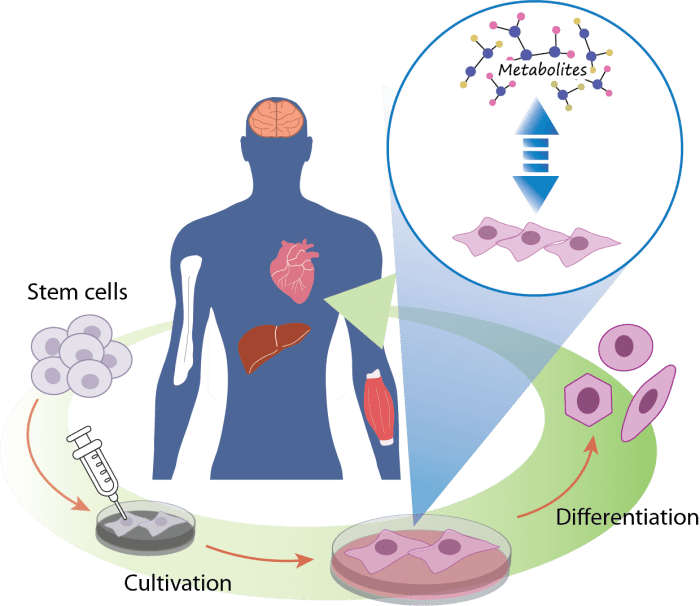
Regenerative medicine has shown great promise in the field of healthcare, with numerous successful clinical applications that have revolutionized treatment approaches for various medical conditions.
Examples of Successful Clinical Applications, Medical advancements in regenerative medicine
- Stem cell therapy has been successfully used to treat conditions such as heart disease, diabetes, and spinal cord injuries, showing significant improvements in patient outcomes.
- Tissue engineering techniques have been applied in the creation of artificial skin for burn victims, leading to faster healing and reduced scarring.
- Gene therapy has shown promising results in treating genetic disorders such as cystic fibrosis and hemophilia, offering hope for patients with previously untreatable conditions.
Ongoing Research and Trials
- Ongoing research is exploring the use of regenerative medicine in treating neurodegenerative diseases such as Alzheimer’s and Parkinson’s, with the potential to slow down or even reverse disease progression.
- Clinical trials are investigating the use of bioprinting technology to create customized tissues and organs for transplant, addressing the shortage of donor organs and reducing the risk of rejection.
- Biomaterials are being studied for their potential in regenerating damaged tissues and promoting faster healing after injuries or surgeries, offering new possibilities for enhancing patient recovery.
Potential for Revolutionizing Healthcare
Regenerative medicine holds the potential to revolutionize modern healthcare practices by offering personalized treatment options, reducing the reliance on traditional drugs and surgeries, and improving patient outcomes and quality of life. With ongoing advancements in research and technology, the future of regenerative medicine looks promising in transforming the way we approach and manage various medical conditions.
Integration of Regenerative Medicine with Wellness Programs
Regenerative medicine has the potential to play a significant role in complementing wellness programs by focusing on repairing and restoring the body’s natural functions. By combining regenerative medicine techniques with wellness initiatives, individuals can achieve a more holistic approach to their health and well-being.
Role of Regenerative Medicine in Promoting Holistic Health
Regenerative medicine not only targets specific medical conditions but also aims to enhance overall wellness by addressing the root cause of health issues. By promoting the body’s natural healing processes, regenerative medicine can help individuals achieve optimal health and well-being from within.
- Regenerative medicine focuses on stimulating the body’s innate ability to heal itself, promoting long-term well-being.
- By targeting cellular repair and regeneration, regenerative medicine can improve overall physical and mental health.
- Integrating regenerative medicine with wellness programs can lead to a more comprehensive approach to health management.
Synergies between Regenerative Medicine and Wellness Initiatives
There are potential synergies between regenerative medicine and other wellness initiatives that can further enhance the effectiveness of health and wellness programs. By combining regenerative medicine with practices such as nutrition, exercise, and stress management, individuals can experience a more holistic approach to their well-being.
- Regenerative medicine can support and amplify the benefits of a healthy lifestyle, leading to improved overall wellness.
- Integrating regenerative medicine with wellness programs can help individuals prevent future health issues and maintain optimal health.
- By addressing both physical and emotional well-being, regenerative medicine can contribute to a more balanced and fulfilling life.
Patient Education and Awareness: Medical Advancements In Regenerative Medicine
Medical advancements in regenerative medicine – It is crucial to educate patients about regenerative medicine to ensure they have a clear understanding of the innovative treatments available to them.
Importance of Patient Education
- Empowerment: Educating patients about regenerative medicine empowers them to take control of their healthcare decisions.
- Informed Choices: By being informed about different treatment options, patients can make decisions that align with their goals and values.
- Improved Outcomes: When patients understand the benefits of regenerative medicine, they are more likely to actively participate in their treatment and achieve better outcomes.
Strategies for Raising Awareness
- Community Workshops: Hosting educational workshops in the community to provide information about regenerative medicine and its applications.
- Online Resources: Utilizing websites, social media, and online campaigns to share information and success stories related to regenerative medicine.
- Collaboration with Healthcare Providers: Working closely with healthcare providers to ensure that patients receive accurate information and guidance about regenerative medicine.
Empowering Patients through Education
- Understanding Treatment Options: Patient education enables individuals to understand the range of treatments available and choose the one that best suits their needs.
- Managing Expectations: Educating patients about the potential outcomes and limitations of regenerative medicine helps them set realistic expectations for their treatment.
- Promoting Active Participation: When patients are well-informed, they are more likely to actively participate in their treatment plan and follow through with recommendations for better results.
Commonly Asked Questions
How is regenerative medicine different from traditional medical approaches?
Regenerative medicine focuses on harnessing the body’s innate healing abilities to repair, replace, or regenerate damaged tissues and organs, offering a more targeted and sustainable treatment approach compared to conventional methods.
What are the key challenges hindering the widespread adoption of regenerative medicine?
Some challenges include regulatory hurdles, ethical considerations, high treatment costs, and the need for further research to optimize safety and efficacy standards.
How can patients benefit from integrating regenerative medicine with wellness programs?
By combining regenerative medicine with wellness initiatives, patients can experience comprehensive health improvements, addressing both specific medical conditions and overall well-being through a more holistic approach to treatment.