Balanced Nutrition for Managing Diabetes
Balanced nutrition for managing diabetes – Managing diabetes requires a balanced approach to nutrition, ensuring that individuals maintain stable blood sugar levels to prevent complications.
Key Nutrients for a Diabetic Diet
When planning a diabetic diet, it is crucial to focus on key nutrients that play a vital role in managing blood glucose levels:
- Carbohydrates: These nutrients have the most significant impact on blood sugar levels. It is essential to choose complex carbohydrates that are high in fiber to prevent spikes in blood glucose.
- Proteins: Including lean sources of protein in the diet can help stabilize blood sugar levels and promote satiety.
- Fats: Healthy fats, such as those found in nuts, seeds, and avocados, can help improve insulin sensitivity and reduce the risk of heart disease.
The Role of Fiber in Blood Glucose Management
Fiber is a crucial component of a diabetic diet as it helps slow down the absorption of sugar in the bloodstream, preventing sudden spikes in blood glucose levels. Including fiber-rich foods like fruits, vegetables, whole grains, and legumes can contribute to better blood sugar control.
Healthy Snacks

When it comes to managing diabetes, choosing the right snacks is crucial to help maintain stable blood sugar levels throughout the day. Healthy snacks can provide energy and important nutrients without causing spikes in blood sugar. Here are some examples of healthy snack options suitable for individuals with diabetes.
Snack Options for Diabetics
- Raw vegetables such as carrot sticks, cucumber slices, or cherry tomatoes
- Fresh fruits like berries, apples, or oranges
- Unsalted nuts and seeds such as almonds, walnuts, or pumpkin seeds
- Low-fat yogurt or cottage cheese
- Whole grain crackers or rice cakes
Diabetic-Friendly Snack Recipes
- Apple and Peanut Butter Sandwich: Slice an apple and spread peanut butter between two slices for a satisfying snack.
- Greek Yogurt Parfait: Layer Greek yogurt with berries and a sprinkle of nuts for a protein-packed treat.
- Veggie Hummus Wraps: Spread hummus on a whole grain tortilla and add your favorite veggies before rolling it up.
Benefits of Snacking on Fruits, Nuts, or Vegetables
Snacking on fruits, nuts, or vegetables can offer a variety of benefits for individuals with diabetes. These snacks are rich in fiber, vitamins, and minerals, which can help regulate blood sugar levels and improve overall health. Additionally, they provide a good source of antioxidants and essential nutrients that support heart health and weight management.
Portion Control for Healthy Snacking
It’s important to practice portion control when snacking, especially for individuals with diabetes. Measuring out servings and avoiding mindless eating can help prevent consuming excess calories and carbohydrates. Opt for pre-portioned snacks or use measuring cups to ensure you’re eating the right amount to maintain blood sugar levels within target ranges.
Fitness Goals
Setting realistic fitness goals is crucial for individuals with diabetes to ensure they can maintain a healthy lifestyle and effectively manage their condition. By establishing achievable objectives, individuals can stay motivated and track their progress towards better health.
Benefits of Regular Exercise
Regular exercise plays a key role in managing blood sugar levels for individuals with diabetes. Physical activity helps the body utilize insulin more effectively, leading to better control of blood glucose levels. In addition, exercise can help improve cardiovascular health, boost metabolism, and enhance overall well-being.
- Engage in aerobic exercises such as walking, jogging, or cycling to increase heart rate and improve circulation.
- Incorporate strength training exercises using weights or resistance bands to build muscle mass and increase metabolism.
- Include flexibility exercises like yoga or stretching to improve range of motion and prevent injuries.
Tips for Incorporating Physical Activity
Finding ways to include physical activity in daily routines is essential for individuals with diabetes. Simple strategies like taking the stairs instead of the elevator, parking further away from the entrance, or doing bodyweight exercises during TV commercials can make a significant difference in overall fitness.
- Schedule regular workout sessions at a convenient time to establish a routine and stay consistent.
- Set achievable fitness goals and track progress to stay motivated and focused on long-term health benefits.
- Find activities you enjoy to make exercise more enjoyable and sustainable in the long run.
Health Coaching
The role of health coaching in supporting individuals with diabetes is crucial in helping them make positive lifestyle changes and manage their condition effectively. Health coaches provide personalized guidance, education, and motivation to empower clients to take control of their health.
Strategies for Motivating Clients
- Set achievable goals: Break down larger health goals into smaller, manageable steps to help clients stay motivated.
- Provide positive reinforcement: Celebrate small victories and progress towards healthier habits to boost client confidence.
- Encourage self-monitoring: Help clients track their progress and identify areas for improvement to stay on track.
- Offer education and resources: Equip clients with the knowledge and tools they need to make informed decisions about their health.
Significance of Personalized Coaching Plans
Creating personalized coaching plans tailored to each individual’s unique needs, preferences, and lifestyle factors is essential in diabetes management. These plans address specific challenges and goals, making them more effective in promoting behavior change and achieving better health outcomes.
Addressing Barriers to Behavior Change
- Identify obstacles: Work with clients to pinpoint barriers preventing them from making healthy choices, such as time constraints or lack of support.
- Develop strategies: Collaborate with clients to create practical solutions and coping mechanisms to overcome obstacles and sustain positive changes.
- Provide ongoing support: Offer continuous encouragement, guidance, and accountability to help clients navigate challenges and stay committed to their health goals.
Mental Strength
In managing diabetes, mental strength plays a crucial role in navigating the challenges that come with the condition. Building resilience and adopting coping techniques are essential for maintaining overall well-being.
Connection Between Mental Well-being and Diabetes Management
Maintaining a positive mindset can have a significant impact on blood sugar control. Stress and anxiety can lead to fluctuations in blood glucose levels, making it essential to focus on mental health alongside physical health.
Techniques for Building Resilience
- Practice relaxation techniques such as deep breathing exercises or meditation to reduce stress levels.
- Engage in regular physical activity to boost endorphins and improve mood.
- Connect with a support system of friends, family, or a health coach to share experiences and receive encouragement.
Impact of Stress Management on Blood Sugar Control
Stress can trigger the release of hormones that can raise blood sugar levels. By managing stress effectively through mindfulness practices or relaxation techniques, individuals can better regulate their blood glucose levels.
Mindfulness Practices for Maintaining Mental Strength
- Practice mindfulness meditation to stay present and focused on the moment, reducing feelings of overwhelm.
- Engage in activities that bring joy and relaxation, such as hobbies or spending time in nature.
- Use positive affirmations to reframe negative thoughts and cultivate a more optimistic outlook.
Health Education
Health education plays a crucial role in empowering individuals with diabetes to take control of their health. By providing reliable information and resources, individuals can make informed decisions about managing and preventing diabetes effectively. Healthcare providers also have a vital role in educating patients about diabetes to ensure optimal care and outcomes.
Importance of Ongoing Health Education
- Regular health education sessions help individuals stay updated on the latest information and best practices for managing diabetes.
- Education can help individuals understand the importance of lifestyle changes, medication adherence, and regular monitoring for better diabetes control.
- Empowering individuals with knowledge can lead to improved self-management skills, leading to better health outcomes and quality of life.
Resources for Reliable Information
- Diabetes organizations like the American Diabetes Association and the Centers for Disease Control and Prevention offer reliable information on diabetes management and prevention.
- Online resources such as reputable medical websites and diabetes-specific forums can provide valuable insights and support for individuals with diabetes.
- Healthcare providers and diabetes educators are also excellent sources of information and guidance for individuals seeking to learn more about diabetes.
Empowerment Through Health Education
- Health education empowers individuals with diabetes to take an active role in their healthcare decisions and treatment plans.
- By understanding the impact of their choices on their health, individuals can make informed decisions that align with their health goals and preferences.
- Education can increase confidence in managing diabetes, leading to improved adherence to treatment recommendations and healthier lifestyle habits.
Tips for Healthcare Providers
- Personalize education sessions to the individual’s needs, preferences, and health literacy level for better understanding and retention of information.
- Use clear and simple language to explain complex medical concepts and treatment plans to ensure comprehension by patients.
- Encourage open communication and address any questions or concerns that patients may have about diabetes management to foster a collaborative approach to care.
Preventive Medicine: Balanced Nutrition For Managing Diabetes
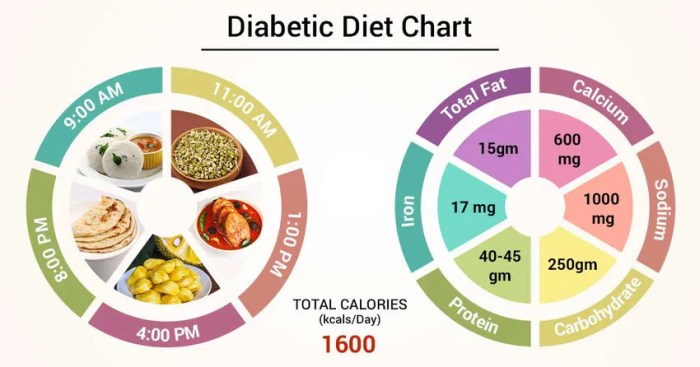
Preventive medicine plays a crucial role in reducing the risk of complications associated with diabetes. By focusing on early detection and proactive management, individuals can significantly improve their quality of life.
Regular Health Checkups
Regular health checkups and screenings are essential for individuals with diabetes to monitor their condition closely. These checkups can help detect any issues early on, allowing for timely interventions and preventive measures.
- Monitor blood sugar levels regularly to ensure they are within the target range.
- Get an annual eye exam to check for any signs of diabetic retinopathy.
- Regular foot exams are crucial to detect any neuropathy or foot ulcers early.
- Screenings for kidney function can help identify any signs of diabetic nephropathy.
Lifestyle Modifications
Making lifestyle modifications is key to preventive care for individuals with diabetes. By adopting healthy habits, such as maintaining a balanced diet, staying active, and managing stress effectively, individuals can reduce the risk of complications.
- Follow a balanced diet rich in fruits, vegetables, whole grains, and lean proteins.
- Engage in regular physical activity to improve insulin sensitivity and overall health.
- Practice stress-relief techniques such as meditation, yoga, or deep breathing exercises.
- Avoid smoking and limit alcohol consumption to promote overall well-being.
Proactive Health Management
Proactive health management involves taking charge of one’s health and well-being by staying informed, engaged, and proactive in managing diabetes. By working closely with healthcare providers and following a personalized care plan, individuals can achieve better health outcomes.
- Attend regular appointments with healthcare providers to discuss treatment plans and goals.
- Keep track of blood sugar levels, medication adherence, and any symptoms or changes in health.
- Participate in diabetes education programs to learn more about the condition and how to manage it effectively.
- Engage in self-care practices such as monitoring diet, exercise, and stress levels regularly.
Nutritional Counseling
Nutritional counseling plays a crucial role in managing diabetes by providing personalized guidance on making healthier food choices and creating balanced meal plans tailored to individual needs.
Benefits of Nutritional Counseling for Individuals with Diabetes
- Helps individuals understand the impact of different foods on blood sugar levels.
- Supports weight management and overall health by promoting a balanced diet.
- Educates on portion control and meal timing for better blood sugar control.
- Encourages lifestyle changes for long-term diabetes management.
Role of a Registered Dietitian in Creating Personalized Meal Plans
- A registered dietitian assesses individual dietary needs based on factors like age, weight, activity level, and medical history.
- They design meal plans that consider food preferences, cultural background, and any existing health conditions.
- The dietitian provides ongoing support and adjustments to ensure meal plans are effective and sustainable.
Tips for Navigating Dining Out or Social Gatherings with Diabetes
- Choose restaurants with healthier options and review menus beforehand to make informed choices.
- Opt for grilled, steamed, or roasted dishes instead of fried or creamy options.
- Control portion sizes by sharing meals or boxing up half before starting to eat.
- Stay hydrated with water or unsweetened beverages and limit alcohol consumption.
Examples of Successful Nutritional Counseling Approaches in Diabetes Management
- Group sessions focusing on meal planning, label reading, and cooking demonstrations.
- Individual consultations to address specific dietary concerns and track progress over time.
- Integration of technology like apps or online platforms for food logging and monitoring.
Skin Health
Diabetes can have a significant impact on skin health, as individuals with diabetes are more prone to various skin conditions and complications. Managing blood sugar levels is crucial in preventing skin issues and maintaining healthy skin.
Relationship between Diabetes and Skin Health
- Individuals with diabetes are at a higher risk of developing skin infections, dry skin, and slow wound healing.
- Poorly controlled blood sugar levels can lead to nerve damage, reducing sensation in the skin and increasing the risk of injuries going unnoticed.
- Diabetes can also affect the skin’s ability to retain moisture, leading to dryness and itchiness.
Skincare Tips for Individuals with Diabetes
- Keep your skin clean and dry to prevent infections, especially in areas prone to sweating.
- Moisturize regularly with a gentle, fragrance-free lotion to maintain skin hydration.
- Inspect your skin daily for any cuts, sores, or signs of infection, and seek medical attention if needed.
- Avoid hot water and harsh soaps that can strip the skin of its natural oils.
Impact of Blood Sugar Levels on Skin Conditions
- Elevated blood sugar levels can lead to increased skin dryness and itchiness.
- Poor circulation due to diabetes can result in skin discoloration and slow wound healing.
- High blood sugar levels create a favorable environment for bacterial growth, increasing the risk of infections.
Recommendations for Healthy Skin Maintenance
- Stay hydrated by drinking plenty of water throughout the day.
- Eat a balanced diet rich in fruits, vegetables, and whole grains to support skin health.
- Manage stress levels, as stress can worsen skin conditions and impact overall health.
- Work with a dermatologist or healthcare provider to address any skin concerns and develop a skincare routine tailored to your needs.
Emotional Health
Living with diabetes can take a toll on one’s emotional well-being. The constant monitoring, lifestyle changes, and fear of complications can lead to feelings of anxiety, depression, or burnout. It is crucial to address these emotions and find healthy coping strategies to manage them effectively.
Strategies for Coping
- Regular exercise: Physical activity can help reduce stress and improve mood by releasing endorphins.
- Mindfulness and relaxation techniques: Practices like meditation, deep breathing, or yoga can help calm the mind and reduce anxiety.
- Healthy eating: Maintaining a balanced diet can help stabilize blood sugar levels and support overall well-being.
- Seeking support: Talking to a mental health professional or joining a support group can provide valuable guidance and a sense of community.
Importance of Seeking Support
It is essential to reach out for help when needed, as managing diabetes can be overwhelming at times. Mental health professionals can offer valuable tools and strategies to cope with emotional challenges effectively.
Self-Care Practices, Balanced nutrition for managing diabetes
- Regular self-care routine: Taking time for activities you enjoy can help reduce stress and boost mood.
- Setting boundaries: Learning to say no and prioritize your needs can prevent burnout and promote emotional well-being.
- Stay connected: Building a strong support system of friends and family members can provide comfort and understanding during difficult times.
FAQ Summary
What are the key nutrients essential for a diabetic diet?
Key nutrients for a diabetic diet include fiber, lean proteins, healthy fats, and complex carbohydrates.
How does portion control impact healthy snacking for individuals with diabetes?
Portion control is essential to prevent blood sugar spikes and maintain stable glucose levels while snacking.
What role does a registered dietitian play in nutritional counseling for diabetes management?
A registered dietitian helps create personalized meal plans and offers guidance on making healthy food choices.
How can individuals maintain emotional well-being while living with diabetes?
Seeking support from mental health professionals, practicing self-care, and joining support groups can help maintain emotional health.