Preventive Medicine
Preventive medicine and healthy aging – Preventive medicine plays a crucial role in promoting healthy aging by focusing on preventing diseases before they occur, rather than just treating them after they develop. By taking proactive measures, individuals can maintain good health and quality of life as they age.
Importance of Preventive Medicine in Healthy Aging
Preventive medicine is essential in healthy aging as it helps in early detection of age-related diseases, allowing for timely intervention and management. Regular screenings and check-ups can help identify potential health issues before they progress, leading to better outcomes and improved overall health.
Examples of Preventive Measures for Healthy Aging
- Engage in regular physical activity to maintain muscle strength, flexibility, and overall fitness.
- Follow a balanced diet rich in fruits, vegetables, whole grains, and lean proteins to support optimal nutrition.
- Avoid smoking and limit alcohol consumption to reduce the risk of developing chronic diseases.
- Get routine health screenings for conditions such as high blood pressure, cholesterol levels, diabetes, and cancer.
- Maintain a healthy weight to lower the risk of obesity-related health issues such as heart disease and diabetes.
Healthy Snacks
When it comes to healthy aging, choosing nutritious snacks can play a crucial role in maintaining energy levels and preventing age-related health issues. These snacks not only satisfy cravings but also provide essential nutrients that support overall health.
List of Nutritious Snacks, Preventive medicine and healthy aging
- Fresh fruits such as berries, apples, and bananas
- Vegetable sticks with hummus or guacamole
- Greek yogurt topped with nuts and seeds
- Whole grain crackers with cheese
- Homemade trail mix with dried fruits and nuts
Role of Healthy Snacks
Healthy snacks help in stabilizing blood sugar levels, providing a steady source of energy throughout the day. They also contribute to better digestion, improved cognitive function, and enhanced immunity, which are essential for healthy aging.
Creative Snack Ideas
- Sliced cucumbers topped with cottage cheese and cherry tomatoes
- Baked kale chips seasoned with olive oil and sea salt
- Rice cakes with almond butter and sliced bananas
- Chia seed pudding with mixed berries
- Roasted chickpeas with spices for a crunchy snack
Wellness Programs
Wellness programs play a crucial role in promoting healthy aging by focusing on preventive measures and overall well-being. These programs are designed to encourage older adults to adopt healthier lifestyle habits and engage in activities that support physical and mental health.
Impact of Wellness Programs on Healthy Aging
Wellness programs have a significant impact on healthy aging by promoting regular physical activity, healthy eating habits, and social engagement. By participating in these programs, older adults can improve their overall quality of life and reduce the risk of chronic diseases associated with aging.
- Regular physical activity: Wellness programs often include exercise classes, walking groups, and other activities that help older adults stay active and maintain their mobility.
- Healthy eating habits: Many wellness programs offer nutrition education and cooking classes to encourage older adults to make healthier food choices and maintain a balanced diet.
- Social engagement: Wellness programs provide opportunities for older adults to connect with others, build relationships, and combat feelings of isolation and loneliness.
Examples of Successful Wellness Programs for Healthy Aging
There are several successful wellness programs that have been specifically designed to promote healthy aging and support the well-being of older adults. Some examples include:
- The Silver Sneakers program: A fitness program for seniors that offers gym memberships, exercise classes, and social activities to help older adults stay active and engaged.
- The Aging Mastery Program: A comprehensive wellness program that covers topics such as exercise, nutrition, financial planning, and social connections to support healthy aging.
- The Elder Wisdom Circle: A program that connects older adults with young people for mentorship and advice, promoting intergenerational relationships and social engagement.
Physical Therapy
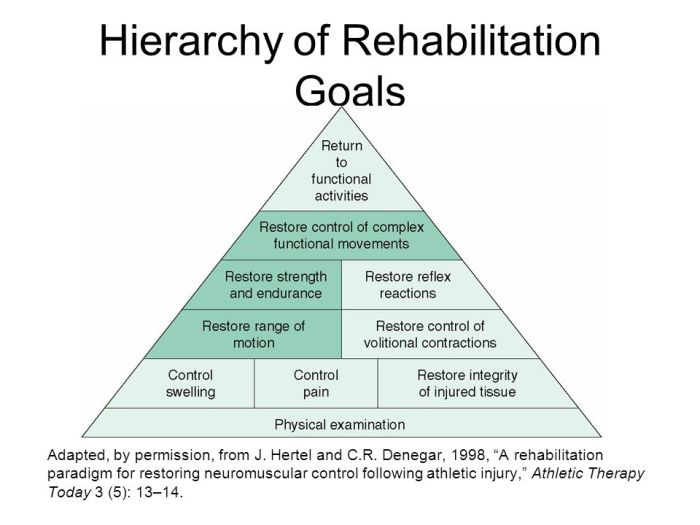
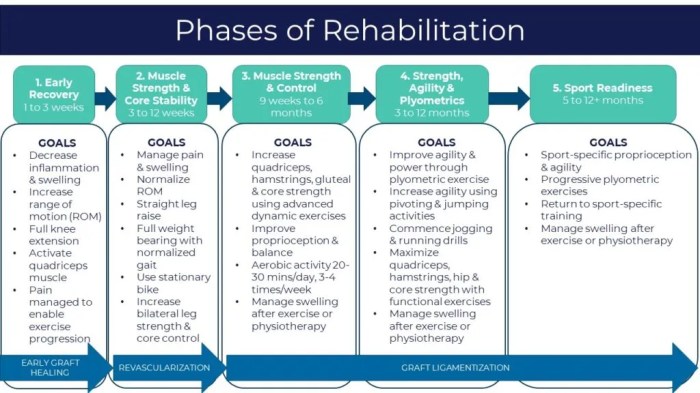
Physical therapy plays a crucial role in supporting healthy aging by helping older individuals maintain their mobility, flexibility, and overall quality of life. It involves exercises and techniques that address specific physical limitations and promote wellness in older adults.
Benefits of Physical Therapy for Healthy Aging
- Improves Mobility: Physical therapy helps older individuals regain and maintain their ability to move freely, which is essential for performing daily activities independently.
- Enhances Flexibility: Through targeted exercises, physical therapy can increase flexibility in muscles and joints, reducing the risk of injuries and enhancing overall mobility.
- Boosts Quality of Life: By improving physical function and reducing pain, physical therapy can enhance the overall quality of life for older individuals, allowing them to stay active and engaged in their daily lives.
Incorporating Physical Therapy into Routine
- Consulting a Professional: It is important for older individuals to seek guidance from a qualified physical therapist who can create a personalized plan to address their specific needs and goals.
- Consistency is Key: Regular physical therapy sessions and exercises are essential to see long-term benefits, so it is crucial to incorporate them into a daily routine.
- Monitoring Progress: Tracking progress and making adjustments to the physical therapy plan as needed can ensure that older individuals continue to see improvements in their mobility and overall well-being.
Health Coaching: Preventive Medicine And Healthy Aging
Health coaching plays a crucial role in guiding individuals towards healthy aging by providing personalized support and guidance to help them make positive lifestyle changes.
Health coaches work closely with individuals to assess their current health status, identify areas for improvement, and collaboratively set realistic health goals.
Role of Health Coaching in Healthy Aging
Health coaches help individuals set and achieve realistic health goals by providing personalized support, accountability, and motivation. They work with clients to create actionable steps, monitor progress, and make adjustments as needed. By focusing on behavior change and sustainable habits, health coaches empower individuals to take control of their health and well-being.
Success Stories
- One success story involves a client who was able to lower their blood pressure and cholesterol levels through consistent exercise and a balanced diet, with the guidance of a health coach.
- Another individual benefitted from health coaching by successfully quitting smoking and improving their lung function, leading to better overall health and quality of life.
- A client struggling with stress management found relief and improved mental well-being through mindfulness practices and stress-reduction techniques recommended by their health coach.
Medical Advancements
Recent medical advancements have played a crucial role in promoting healthy aging and enhancing preventive medicine for older adults. These innovations have revolutionized healthcare, offering new possibilities for diagnosis, treatment, and overall well-being.
Technological Innovations in Preventive Medicine
- Telemedicine: Remote healthcare services allow older adults to consult with healthcare providers from the comfort of their homes, increasing access to medical care and monitoring.
- Wearable Devices: Smart gadgets and wearables help track vital signs, activity levels, and sleep patterns, enabling individuals to proactively manage their health and prevent potential issues.
- Artificial Intelligence: AI algorithms analyze vast amounts of data to identify patterns, predict health risks, and personalize treatment plans for older adults, optimizing outcomes.
Groundbreaking Medical Technologies for Healthy Aging
- Robotic Surgery: Minimally invasive robotic procedures reduce recovery times and complications for older adults undergoing surgeries, improving overall outcomes.
- 3D Printing of Organs: Advancements in bioprinting technology enable the creation of personalized organ models and implants, enhancing surgical precision and success rates.
- Genetic Testing: Genetic screenings provide valuable insights into an individual’s predisposition to certain diseases, allowing for early intervention and tailored preventive measures.
Fitness Goals
Setting fitness goals is crucial for promoting healthy aging as it helps older adults maintain their physical health and overall well-being. By establishing clear objectives, individuals are more likely to stay motivated, track their progress, and make positive lifestyle changes to support their fitness goals.
Benefits of Regular Exercise and Physical Activity
Regular exercise and physical activity play a key role in helping older adults maintain strength, flexibility, and independence as they age. Staying active can improve cardiovascular health, boost energy levels, enhance mood, and reduce the risk of chronic conditions such as heart disease, diabetes, and osteoporosis.
- Engaging in strength training exercises can help preserve muscle mass and bone density, reducing the risk of falls and fractures.
- Participating in activities like yoga or tai chi can improve balance, coordination, and flexibility, promoting greater mobility and reducing the likelihood of injuries.
- Cardiovascular exercises such as walking, swimming, or cycling can enhance heart health, circulation, and endurance, supporting overall physical fitness and longevity.
Establishing and Achieving Fitness Goals
When setting fitness goals tailored to individual needs and abilities, it’s essential to consider factors such as current fitness level, medical history, mobility limitations, and personal preferences. Here are some tips on how to establish and achieve fitness goals effectively:
- Consult with a healthcare provider or fitness professional to assess your current health status and create a personalized exercise plan.
- Set specific, measurable, achievable, relevant, and time-bound (SMART) goals to track your progress and stay motivated.
- Start slowly and gradually increase the intensity, duration, and frequency of your workouts to prevent injuries and build endurance over time.
- Incorporate a variety of activities that target different muscle groups, including aerobic, strength, flexibility, and balance exercises, to ensure a well-rounded fitness routine.
- Stay consistent, listen to your body, and make adjustments as needed to adapt to any changes in your fitness level or overall health.
Balanced Nutrition
When it comes to supporting healthy aging, balanced nutrition plays a crucial role in maintaining overall health and preventing age-related diseases. A well-rounded diet rich in essential nutrients is essential for promoting longevity and well-being as we age.
Importance of Balanced Nutrition for Healthy Aging
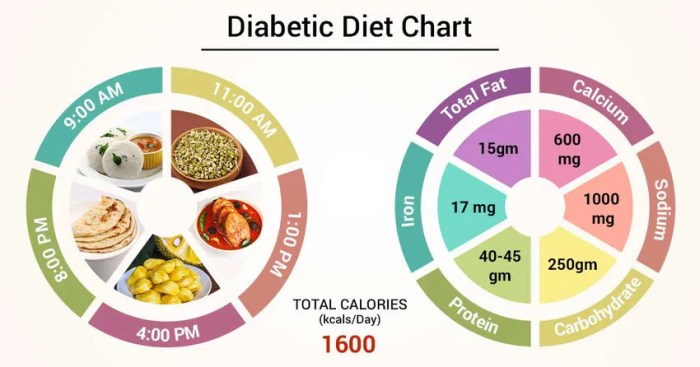
A balanced meal plan that includes a variety of nutrients can help in supporting healthy aging by providing the necessary fuel for the body to function optimally. Nutrient-rich foods can help boost the immune system, improve cognitive function, and reduce the risk of chronic conditions such as heart disease, diabetes, and osteoporosis.
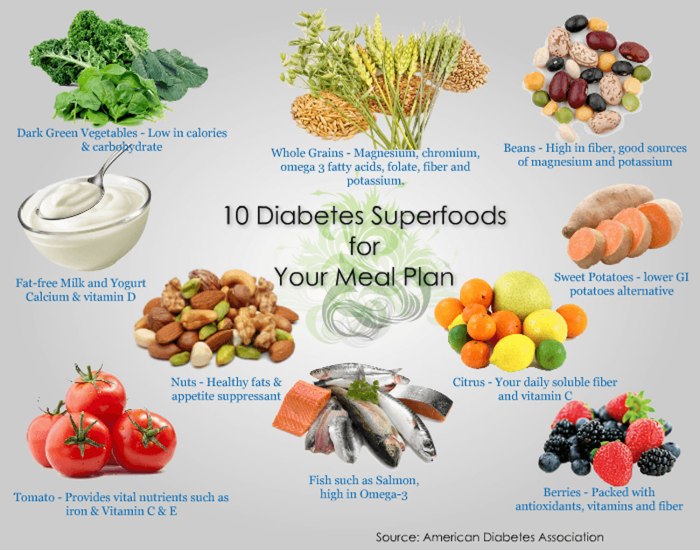
- Include a colorful variety of fruits and vegetables in your diet to ensure you are getting a wide range of vitamins, minerals, and antioxidants.
- Opt for whole grains, lean proteins, and healthy fats to support muscle strength, bone health, and overall energy levels.
- Limit processed foods, sugary snacks, and high-fat items to reduce inflammation and support a healthy weight.
Tips for Creating a Balanced Meal Plan
Creating a balanced meal plan that promotes healthy aging involves thoughtful consideration of the nutrients your body needs to thrive. Here are some tips to help you get started:
- Plan your meals in advance to ensure you are incorporating a variety of food groups.
- Focus on portion control to prevent overeating and maintain a healthy weight.
- Stay hydrated by drinking plenty of water throughout the day to support digestion and overall health.
- Listen to your body’s hunger and fullness cues to avoid unnecessary snacking and mindless eating.
Mental Strength
Mental strength plays a crucial role in healthy aging as it contributes to overall well-being and quality of life in older adults. It encompasses cognitive function, memory retention, and emotional resilience, which are essential aspects of maintaining a healthy mind as we age.
Strategies for Improving Cognitive Function
- Engage in brain-stimulating activities such as puzzles, reading, or learning a new skill to keep your mind sharp.
- Practice mindfulness and meditation to enhance focus and concentration.
- Stay socially active to stimulate your brain through meaningful interactions with others.
Strategies for Enhancing Memory
- Use mnemonic devices or memory techniques to aid in remembering important information.
- Establish a routine and organize information to help with memory recall.
- Get an adequate amount of quality sleep to support memory consolidation and retention.
Strategies for Promoting Emotional Well-being
- Practice gratitude and positive thinking to cultivate a more optimistic outlook on life.
- Seek professional help or support groups if you are struggling with emotional challenges.
- Engage in activities that bring you joy and fulfillment to boost your mood and emotional resilience.
Yoga Practice
Yoga is a fantastic form of exercise that can greatly benefit older adults in their journey towards healthy aging. Not only does it promote physical strength and flexibility, but it also enhances mental clarity and emotional well-being.
Physical Benefits of Yoga
- Improved flexibility and joint mobility
- Increased muscle strength and endurance
- Enhanced balance and stability
Mental Benefits of Yoga
- Reduced stress and anxiety levels
- Improved focus and concentration
- Enhanced mood and overall sense of well-being
Emotional Benefits of Yoga
- Promotes relaxation and better sleep
- Encourages mindfulness and self-awareness
- Provides a sense of inner peace and contentment
Beginner-Friendly Yoga Poses and Routines
- Mountain Pose (Tadasana): Stand tall with feet hip-width apart, reaching arms overhead
- Chair Pose (Utkatasana): Sit back as if sitting in an invisible chair, arms extended overhead
- Cat-Cow Stretch: Move between arching and rounding the back while on all fours
- Warrior II Pose (Virabhadrasana II): Step feet wide apart, bend front knee, and extend arms parallel to the floor
- Corpse Pose (Savasana): Lie flat on your back, arms by your sides, and focus on deep breathing and relaxation
Health Education
Health education plays a crucial role in empowering individuals to make informed decisions about their health. By providing knowledge and resources, health education programs can promote preventive measures and healthy aging practices, ultimately leading to improved overall well-being.
Importance of Health Education
Health education equips individuals with the necessary information to understand their bodies, recognize warning signs, and take proactive steps towards better health. By empowering individuals with knowledge, they can make informed choices about their lifestyle, diet, and healthcare options.
Benefits of Health Education Programs
- Encouraging preventive measures such as regular screenings, vaccinations, and healthy lifestyle choices.
- Promoting healthy aging practices through exercise, balanced nutrition, and mental wellness strategies.
- Empowering individuals to take control of their health and well-being.
Resources for Older Adults
Accessing reliable health information is essential for older adults to make informed decisions about their health. Here are some resources and tools to consider:
- Consulting with healthcare professionals for personalized advice and recommendations.
- Utilizing reputable websites and online platforms dedicated to senior health and wellness.
- Attending health education workshops and seminars specifically tailored for older adults.
Weight Management
Maintaining a healthy weight is crucial for overall well-being, especially as we age. Weight management plays a significant role in healthy aging by impacting various aspects of our health.
Impact of Weight Management on Healthy Aging
Weight management directly affects healthy aging by reducing the risk of chronic conditions such as heart disease, diabetes, and arthritis. Excess weight can put strain on joints and organs, leading to a decline in overall health as we grow older. By managing weight effectively, older adults can improve their quality of life and increase longevity.
Relationship between Weight, Metabolism, and Overall Health in Older Adults
As we age, our metabolism tends to slow down, making it easier to gain weight. This can lead to a higher risk of developing health issues. Maintaining a healthy weight is essential for supporting optimal metabolism and overall health in older adults. By making conscious choices about nutrition and physical activity, older individuals can support their metabolism and prevent weight-related health problems.
Tips for Achieving and Maintaining a Healthy Weight for Optimal Aging Outcomes
- Focus on balanced nutrition: Include a variety of fruits, vegetables, whole grains, lean proteins, and healthy fats in your diet.
- Stay active: Engage in regular physical activity such as walking, swimming, or strength training to support weight management.
- Monitor portion sizes: Be mindful of portion sizes to avoid overeating and maintain a healthy weight.
- Stay hydrated: Drink plenty of water throughout the day to support metabolism and overall health.
- Seek support: Consider working with a healthcare provider or nutritionist to create a personalized weight management plan.
Health Checkups
Regular health checkups play a crucial role in preventive medicine and healthy aging by allowing individuals to detect and address potential health issues early on.
Importance of Screenings, Tests, and Preventive Healthcare Visits for Older Adults
As individuals age, the risk of developing chronic conditions and diseases increases. Therefore, regular screenings, tests, and preventive healthcare visits are essential for older adults to monitor their health status and prevent any potential health complications.
- Annual Physical Exam: Regular physical exams help in assessing overall health and detecting any signs of underlying health issues.
- Blood Pressure Monitoring: High blood pressure is a common condition among older adults and can lead to serious health problems if left uncontrolled.
- Cholesterol Screening: Monitoring cholesterol levels is crucial in preventing heart disease and stroke, which are prevalent in older age groups.
- Blood Sugar Testing: Regular blood sugar tests are essential for individuals at risk of diabetes or those already diagnosed with the condition.
- Colon Cancer Screening: Colon cancer is a significant concern for older adults, making regular screenings vital for early detection and treatment.
Checklist of Essential Health Checkups for Aging Individuals
Here is a checklist of essential health checkups recommended for individuals as they age:
- Eye Exam: Regular eye exams help in detecting age-related vision problems such as cataracts and glaucoma.
- Bone Density Test: Bone density tests are crucial for assessing the risk of osteoporosis and fractures in older adults.
- Memory and Cognitive Function Tests: Evaluating memory and cognitive function can help in early detection of conditions like dementia.
- Skin Cancer Screening: Regular skin cancer screenings are important, especially for individuals with a history of sun exposure.
- Vaccinations: Keeping up to date with vaccinations, including flu shots and pneumonia vaccines, is essential for maintaining overall health.
Skin Health
Maintaining skin health is crucial in the context of healthy aging. As we grow older, our skin undergoes natural changes, making it essential to take proper care to keep it healthy and youthful.
Impact of Skincare Routines and Sun Protection
- Establishing a regular skincare routine can help nourish and protect the skin from environmental damage.
- Using sunscreen daily can prevent premature aging and reduce the risk of skin cancer.
- Moisturizing the skin regularly can help maintain its elasticity and hydration levels.
Lifestyle Choices and Skin Aging
- Avoiding smoking and excessive alcohol consumption can promote healthier skin and slow down the aging process.
- Eating a balanced diet rich in antioxidants and vitamins can benefit skin health and appearance.
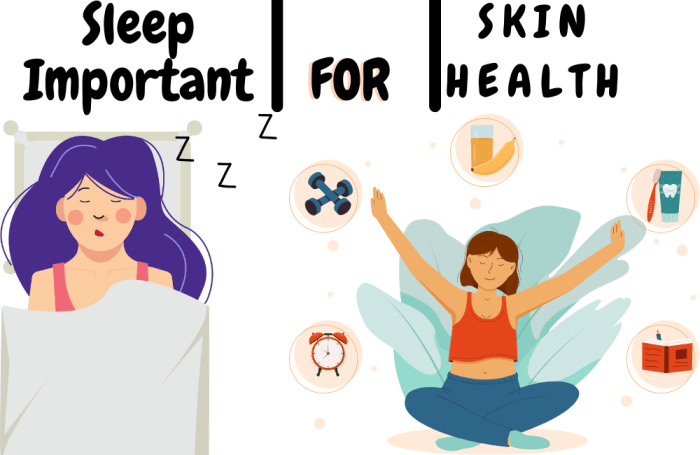
- Getting an adequate amount of sleep and managing stress can help prevent skin issues and promote a youthful glow.
Tips for Healthy and Youthful Skin
- Drink plenty of water to keep the skin hydrated and plump.
- Avoid prolonged sun exposure and always wear protective clothing and sunscreen.
- Incorporate antioxidant-rich foods like berries, nuts, and green leafy vegetables into your diet.
- Consider using skincare products with ingredients like retinol and hyaluronic acid to target specific skin concerns.
- Consult with a dermatologist for personalized advice and treatments to address any skin issues effectively.
Emotional Health
Emotional health plays a crucial role in healthy aging, influencing overall well-being and quality of life as we grow older. Maintaining a positive emotional state can have significant benefits on both physical and mental health, contributing to a more fulfilling and active lifestyle.
Impact of Emotional Well-being on Healthy Aging
Emotional well-being directly impacts how we age, affecting our ability to cope with stress, maintain relationships, and adapt to life changes. Research has shown that individuals with good emotional health tend to have lower rates of chronic diseases, better immune function, and increased longevity. It is essential to address emotional health as a key component of healthy aging to promote overall wellness and vitality.
- Positive emotions such as joy, gratitude, and contentment can enhance resilience and improve cognitive function in older adults.
- Engaging in activities that bring pleasure and fulfillment, such as hobbies, social gatherings, and volunteering, can boost emotional well-being and combat feelings of loneliness and isolation.
- Practicing mindfulness, meditation, and relaxation techniques can help manage stress, anxiety, and depression, fostering emotional balance and inner peace.
Connection Between Mental Health, Social Connections, and Overall Well-being in Older Adults
The link between mental health, social connections, and overall well-being is significant for older adults, as it influences their sense of purpose, belonging, and happiness. Maintaining strong social ties and engaging in meaningful relationships can have a profound impact on emotional health and cognitive function, reducing the risk of mental health disorders and cognitive decline.
Studies have shown that older adults with a robust social network have lower rates of depression, anxiety, and cognitive impairment, highlighting the importance of social connections for emotional well-being.
- Regular social interactions, such as spending time with family and friends, participating in group activities, and joining clubs or organizations, can promote a sense of belonging and support emotional health.
- Seeking professional help from therapists, counselors, or support groups can provide valuable emotional support and guidance in addressing mental health issues and coping with life transitions.
- Engaging in cognitive-stimulating activities, such as puzzles, games, and lifelong learning, can help maintain mental sharpness and emotional resilience in older age.
Strategies for Enhancing Emotional Health and Resilience During the Aging Process
There are various strategies that older adults can incorporate into their daily routines to enhance emotional health and build resilience as they age. By prioritizing self-care, positive relationships, and stress management techniques, individuals can cultivate a strong emotional foundation that supports healthy aging and overall well-being.
- Practicing self-care activities, such as exercise, healthy eating, and adequate sleep, can boost mood, energy levels, and self-esteem, promoting emotional well-being and vitality.
- Engaging in hobbies, interests, and creative pursuits can provide a sense of purpose, fulfillment, and enjoyment, fostering emotional resilience and mental agility.
- Building a support network of friends, family, and community resources can offer emotional support, companionship, and encouragement during challenging times, enhancing overall well-being and quality of life.
Health Motivation
Maintaining healthy habits and behaviors becomes increasingly important as individuals age. However, staying motivated to prioritize health and wellness can be challenging. Motivation plays a crucial role in helping older adults make positive choices for their well-being.
Extrinsic motivation, such as rewards or recognition from others, can influence health decisions by providing external incentives. On the other hand, intrinsic motivation, driven by personal values and beliefs, can be a powerful force in maintaining long-term healthy habits. Both types of motivation can impact how older adults approach their health and wellness journey.
Tips for Staying Motivated to Prioritize Health and Wellness
- Set realistic and achievable goals: Break down larger health goals into smaller, manageable steps to stay motivated.
- Find activities you enjoy: Engaging in physical activities or hobbies that bring joy can help maintain motivation.
- Stay connected: Surround yourself with supportive friends and family who encourage and motivate you to prioritize health.
- Celebrate progress: Acknowledge and celebrate small victories along the way to stay motivated and positive.
- Practice self-care: Prioritize self-care activities such as meditation, relaxation techniques, or pampering yourself to stay motivated and reduce stress.
- Stay informed: Keep learning about the latest health trends, wellness practices, and medical advancements to stay motivated and inspired.
Physical Activities
Regular physical activity plays a crucial role in promoting healthy aging. It not only helps in maintaining physical strength but also contributes to mental well-being. Staying active and incorporating movement into daily routines is essential for older adults looking to age healthily.
Benefits of Engaging in Physical Activities
- Improves cardiovascular health and reduces the risk of chronic diseases.
- Enhances flexibility, balance, and coordination, reducing the likelihood of falls.
- Boosts mood, reduces stress, and improves overall mental health.
- Increases muscle strength and bone density, preventing age-related decline.
Importance of Staying Active
- Helps in maintaining independence and mobility as one ages.
- Aids in weight management and promotes a healthy body composition.
- Reduces the risk of depression and anxiety, promoting emotional well-being.
- Improves cognitive function and may lower the risk of dementia.
Low-Impact Exercises and Activities for Healthy Aging
- Walking or brisk walking for cardiovascular fitness.
- Swimming or water aerobics for joint-friendly exercise.
- Yoga or tai chi for balance, flexibility, and stress reduction.
- Cycling or stationary biking for lower body strength and endurance.
Health Awareness

Raising health awareness is crucial in promoting healthy aging as it helps individuals understand the importance of preventive measures and maintaining overall well-being.
Education, advocacy, and community support play a significant role in health awareness initiatives. By providing accurate information, advocating for healthy lifestyle choices, and fostering a supportive environment, these factors contribute to creating a culture of wellness.
Ways to Raise Health Awareness
- Organize health workshops and seminars in local communities to educate individuals about the benefits of preventive medicine and healthy aging.
- Engage in advocacy efforts by supporting policies that promote access to healthcare services and encourage healthy behaviors.
- Participate in community events focused on health and wellness to spread awareness and encourage others to prioritize their well-being.
- Utilize social media platforms to share informative content about preventive measures, healthy aging tips, and the importance of regular health checkups.
- Collaborate with local healthcare providers and organizations to develop programs that address the specific health needs of different age groups and populations.
Nutritional Counseling
Nutritional counseling plays a crucial role in supporting healthy aging by providing personalized guidance on dietary choices and habits that can impact overall well-being. As individuals age, their nutritional needs may change due to factors such as metabolism, digestion, and nutrient absorption. Seeking professional nutritional guidance can help older adults navigate these changes and optimize their health outcomes.
Role of Nutritional Counseling in Healthy Aging
- Assessment of individual nutritional needs based on age, health conditions, and lifestyle factors.
- Development of personalized nutrition plans tailored to meet specific dietary requirements and goals.
- Educating older adults on the importance of nutrient-rich foods and proper hydration for overall health and well-being.
- Monitoring and adjusting nutrition plans as needed to address changing health needs and goals.
- Supporting healthy aging by promoting balanced nutrition, weight management, and preventing chronic conditions through diet.
Benefits of Professional Nutritional Guidance
- Improved overall health and well-being through personalized nutrition plans that address specific dietary needs.
- Enhanced energy levels, cognitive function, and physical strength to support an active lifestyle in older adults.
- Reduced risk of chronic diseases such as heart disease, diabetes, and osteoporosis through proper nutrition and dietary choices.
- Increased awareness of food choices and their impact on health, leading to better decision-making for long-term health outcomes.
- Emotional support and motivation in adopting and maintaining healthy eating habits for healthy aging.
Healthy Mind
Maintaining a healthy mind is essential for healthy aging as it plays a crucial role in overall well-being. A healthy mind can help individuals stay sharp, focused, and emotionally resilient as they age.
Cognitive Exercises
Cognitive exercises are activities that stimulate the brain and help improve cognitive function. These exercises can include puzzles, brain games, learning new skills, and engaging in activities that require mental focus and concentration.
Mindfulness Practices
Mindfulness practices, such as meditation and deep breathing exercises, can help individuals reduce stress, improve focus, and enhance emotional well-being. These practices promote a state of awareness and presence in the moment, helping individuals to stay mentally healthy.
Mental Health Strategies
Implementing mental health strategies like establishing a routine, practicing gratitude, maintaining social connections, and seeking professional help when needed can contribute to a healthy mind. It’s important to prioritize mental health and address any issues that may arise to maintain cognitive vitality.
Expert Answers
What role does preventive medicine play in healthy aging?
Preventive medicine focuses on proactive measures to prevent diseases and promote overall health, contributing significantly to healthy aging.
How can individuals incorporate preventive measures into their daily routine?
Individuals can maintain good health as they age by adopting healthy lifestyle habits such as regular exercise, balanced nutrition, and routine health checkups.
What are some examples of successful wellness programs for promoting healthy aging?
Wellness programs that focus on physical activity, mental well-being, and social engagement have shown positive outcomes in promoting healthy aging among older adults.
How can mental strength impact the process of healthy aging?
Mental strength plays a crucial role in enhancing cognitive function, emotional well-being, and resilience, all of which are essential aspects of healthy aging.
Why is it important to set fitness goals for healthy aging?
Setting fitness goals helps older adults maintain strength, flexibility, and independence, contributing to a healthier and more active lifestyle as they age.