Introduction to Health Education and Peer-to-Peer Learning
Health education and peer-to-peer learning – Health education is a process of imparting knowledge about health and wellness to individuals or communities to promote healthy behaviors and prevent diseases. On the other hand, peer-to-peer learning involves individuals learning from each other through sharing knowledge, experiences, and skills.
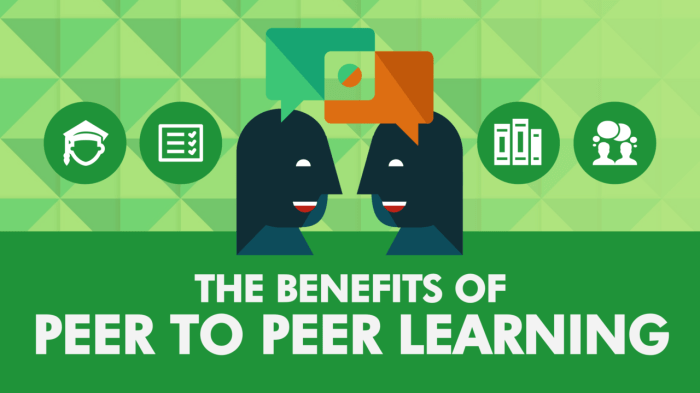
Both health education and peer-to-peer learning play crucial roles in promoting overall well-being. By educating individuals about healthy practices and disease prevention, health education empowers them to make informed decisions about their health. Peer-to-peer learning, on the other hand, allows for a more relatable and interactive learning experience, as individuals can learn from peers who share similar backgrounds or experiences.
Importance of Peer-to-Peer Learning in Health Education
- Enhances Engagement: Peer-to-peer learning fosters a sense of community and collaboration, making the learning process more engaging and interactive.
- Promotes Empowerment: Learning from peers can boost confidence and self-efficacy in individuals, empowering them to take control of their health.
- Facilitates Knowledge Sharing: Peers can share personal experiences and practical tips that may not be covered in traditional health education materials, enriching the learning experience.
- Builds Trust and Support: Peer-to-peer learning creates a supportive environment where individuals can openly discuss health-related concerns and receive encouragement from others facing similar challenges.
Healthy Snacks
Incorporating healthy snacks into your daily diet can have numerous benefits for your overall health and well-being. Not only can they help keep your energy levels up throughout the day, but they can also provide essential nutrients to support your body’s functions.
Examples of Nutritious Snacks
- Carrot sticks with hummus
- Greek yogurt with berries
- Almonds or mixed nuts
- Apple slices with peanut butter
Benefits of Healthy Snacks
- Help maintain energy levels
- Provide essential nutrients
- Aid in weight management
- Support overall well-being
Tips for Creating Balanced and Delicious Snack Options
- Combine protein and fiber for satiety
- Opt for whole foods over processed snacks
- Include a variety of colors and textures for a satisfying snack experience
- Plan ahead and have healthy options readily available
Wellness Programs
Wellness programs are designed to promote healthy behaviors and improve overall well-being. These programs typically include a combination of activities, resources, and incentives to support individuals in making positive lifestyle changes.
Components of an Effective Wellness Program
- Health Assessments: Conducting regular health assessments to identify risk factors and personalize wellness plans.
- Education and Awareness: Providing information on nutrition, exercise, stress management, and other health topics.
- Physical Activity: Encouraging regular exercise through fitness classes, challenges, or access to gym facilities.
- Nutrition Support: Offering healthy eating tips, cooking demonstrations, and access to nutritious food options.
- Mental Health Resources: Providing counseling services, mindfulness sessions, and stress-reduction techniques.
Benefits of Wellness Programs
- Improved Health: Wellness programs can lead to reduced risk of chronic diseases, lower healthcare costs, and better overall physical well-being.
- Enhanced Productivity: Healthy employees are often more engaged, focused, and motivated at work, leading to increased productivity and efficiency.
- Increased Happiness: By promoting self-care and prioritizing well-being, individuals can experience higher levels of happiness and life satisfaction.
Success Stories
One success story involves a company implementing a wellness program that resulted in a significant decrease in employee absenteeism due to health issues. Employees reported feeling more energized, less stressed, and happier overall, leading to a more positive work environment and improved morale.
Physical Therapy
Physical therapy plays a vital role in rehabilitation and injury prevention by focusing on restoring movement and function to individuals affected by injury, illness, or disability. Through a combination of exercises, manual therapy, and education, physical therapists help patients improve their mobility, strength, and overall quality of life.
Types of Physical Therapy Techniques and Benefits
- Manual Therapy: Involves hands-on techniques such as massage and manipulation to reduce pain, improve joint mobility, and enhance tissue healing.
- Therapeutic Exercise: Customized exercises are prescribed to improve strength, flexibility, balance, and endurance, tailored to the individual’s specific needs and goals.
- Ultrasound Therapy: Uses high-frequency sound waves to generate heat deep within tissues, promoting healing and reducing inflammation.
Physical therapy techniques aim to address pain, restore function, and prevent further injury.
How Physical Therapy Aids in Improving Mobility and Strength
- Enhancing Range of Motion: Through targeted exercises and stretching techniques, physical therapy helps increase flexibility and joint mobility, allowing for easier movement.
- Building Muscle Strength: Progressive resistance training is utilized to strengthen muscles, improve endurance, and support overall functional abilities.
- Improving Balance and Coordination: Balance exercises and coordination drills are incorporated to enhance stability and reduce the risk of falls, especially in older adults.
Health Coaching
Health coaching is a personalized approach to helping individuals achieve their health and wellness goals by providing guidance, support, and accountability. It focuses on empowering individuals to make lasting behavior changes that lead to improved health outcomes.
Impact on Behavior Change
Health coaching has a significant impact on behavior change as it addresses the root causes of unhealthy habits and provides strategies to overcome obstacles. By working closely with a health coach, individuals can identify their motivations, set realistic goals, and develop sustainable action plans to make positive changes in their lifestyle.
Responsibilities of a Health Coach
– Conducting assessments to understand the individual’s current health status and goals.
– Creating personalized wellness plans tailored to the individual’s needs and preferences.
– Providing ongoing support, motivation, and accountability to help the individual stay on track.
– Educating and empowering the individual to make informed decisions about their health.
– Monitoring progress and adjusting the wellness plan as needed to ensure success.
Effectiveness in Achieving Fitness Goals
Health coaching has been shown to be highly effective in helping individuals achieve their fitness goals. By combining personalized guidance with evidence-based strategies, health coaches can help individuals overcome barriers, stay motivated, and make sustainable lifestyle changes. Studies have demonstrated that individuals who work with health coaches are more likely to achieve and maintain their fitness goals compared to those who do not receive coaching.
Medical Advancements
Recent medical advancements have truly revolutionized healthcare, bringing about significant improvements in patient care and treatment outcomes. Technological innovations continue to shape the future of medicine, leading to groundbreaking discoveries and advancements in various fields of healthcare.
Gene Editing Technology
Gene editing technology, such as CRISPR-Cas9, has opened up new possibilities in treating genetic disorders and diseases. This innovative tool allows for precise modifications in the genetic code, offering potential cures for previously untreatable conditions.
Telemedicine
Telemedicine has transformed the way healthcare is delivered, especially in remote or underserved areas. Through virtual consultations and remote monitoring, patients can access medical care more conveniently, leading to improved health outcomes and increased accessibility to healthcare services.
Artificial Intelligence in Healthcare
The integration of artificial intelligence in healthcare has enabled faster and more accurate diagnosis, personalized treatment plans, and predictive analytics for better disease management. AI-powered tools are revolutionizing medical imaging, drug discovery, and patient care, ultimately enhancing the quality of healthcare delivery.
Regenerative Medicine
Advancements in regenerative medicine, such as stem cell therapy and tissue engineering, hold great promise for repairing and regenerating damaged tissues and organs. These cutting-edge therapies offer potential solutions for chronic conditions and injuries that were previously considered irreversible.
Robotic Surgery
Robotic surgery has enhanced surgical precision, allowing for minimally invasive procedures with improved outcomes and shorter recovery times. Surgeons can now perform complex surgeries with greater accuracy and control, leading to reduced complications and faster patient recovery.
Fitness Goals
Setting realistic fitness goals is crucial for achieving long-term success in improving physical health. It is essential to establish achievable objectives that can be measured and tracked over time to maintain motivation and commitment to a healthy lifestyle.
Importance of Setting Realistic Fitness Goals
Setting realistic fitness goals helps individuals establish a clear direction and purpose for their physical activities. By creating achievable milestones, individuals can track their progress and stay motivated to continue working towards their objectives.
Strategies for Staying Motivated and Committed to Fitness Goals
- Find a workout buddy or join a fitness group to stay accountable and motivated.
- Reward yourself for achieving milestones along the way to keep the momentum going.
- Keep a fitness journal to track progress and reflect on successes and challenges.
- Set specific, measurable, attainable, relevant, and time-bound (SMART) goals to stay focused.
Benefits of Achieving and Maintaining Fitness Goals for Overall Health
Achieving and maintaining fitness goals not only improves physical health but also enhances mental well-being. Regular physical activity can reduce the risk of chronic diseases, improve mood, boost energy levels, and enhance overall quality of life. By staying committed to fitness goals, individuals can experience long-lasting benefits that extend beyond just physical appearance.
Balanced Nutrition
Maintaining a balanced nutrition plan is essential for overall health and well-being. A balanced diet provides the necessary nutrients for the body to function properly and helps prevent chronic diseases.
Food Groups in a Balanced Diet
- Fruits and Vegetables: Rich in vitamins, minerals, and fiber, these foods support a healthy immune system and digestive function.
- Whole Grains: Provide energy and essential nutrients like fiber, B vitamins, and minerals.
- Protein Sources: Include lean meats, poultry, fish, eggs, nuts, and legumes to build and repair tissues in the body.
- Dairy or Dairy Alternatives: Important for calcium, vitamin D, and other nutrients necessary for bone health.
Tips for Maintaining a Balanced Nutrition Plan
- Plan Meals Ahead: Prepare balanced meals and snacks in advance to avoid unhealthy choices when hungry.
- Stay Hydrated: Drink plenty of water throughout the day to support digestion and overall hydration.
- Focus on Portion Control: Be mindful of serving sizes to prevent overeating and maintain a healthy weight.
- Avoid Processed Foods: Limit intake of processed foods high in added sugars, salt, and unhealthy fats.
Mental Strength
In today’s fast-paced world, mental strength plays a crucial role in our overall well-being. It is essential in helping us overcome challenges, build resilience, and cope with stress effectively.
Importance of Mental Strength
Mental strength is not just about being tough; it’s about being able to adapt and bounce back from difficult situations. It enables us to stay focused, positive, and motivated even in the face of adversity.
Strategies for Building Resilience
- Practice mindfulness and meditation to calm the mind and reduce stress levels.
- Develop a support system of friends and family to lean on during tough times.
- Set realistic goals and break them down into manageable steps to avoid feeling overwhelmed.
- Learn from setbacks and failures, using them as opportunities for growth and self-improvement.
How Mental Strength Contributes to Overall Well-being
Mental strength is the foundation of our emotional and psychological health. It helps us maintain a positive outlook, manage our emotions effectively, and navigate life’s challenges with grace and resilience.
Yoga Practice
Yoga is a popular form of exercise that not only promotes physical health but also enhances mental well-being. Incorporating yoga into your health and wellness routine can have numerous benefits, including increased flexibility, reduced stress levels, improved posture, and overall relaxation.
Types of Yoga Practices and Their Advantages
- Hatha Yoga: Focuses on basic poses and breathing techniques, great for beginners and stress relief.
- Vinyasa Yoga: Involves flowing sequences of poses, boosts cardiovascular health and strength.
- Ashtanga Yoga: A more intense practice with specific sequences, enhances stamina and endurance.
- Bikram Yoga: Practiced in a heated room, helps with detoxification and flexibility.
Regardless of the type, yoga can improve concentration, promote mindfulness, and contribute to a sense of inner peace.
Tips for Beginners Starting a Yoga Practice
- Start with beginner-friendly classes or online tutorials to learn the basics.
- Invest in a good quality yoga mat for comfort and support during poses.
- Listen to your body and don’t push yourself too hard, progress at your own pace.
- Practice regularly to experience the full benefits of yoga on both the body and mind.
Health Education
Health education plays a crucial role in preventing diseases and promoting overall well-being by providing individuals and communities with the knowledge and skills needed to make informed decisions about their health.
Impact of Health Education
- Empowers individuals to take control of their health through education on healthy lifestyle choices and disease prevention.
- Reduces the risk of chronic diseases such as diabetes, heart disease, and obesity through awareness and preventive measures.
- Improves community health by promoting healthy behaviors and practices that can lead to a healthier population.
Effective Health Education Initiatives
- Implementing comprehensive school health education programs to educate students on nutrition, physical activity, and mental health.
- Community outreach programs that provide access to health education resources and promote preventive care services.
- Collaborating with healthcare providers to offer health education workshops and seminars on various health topics.
Weight Management
Maintaining a healthy weight is crucial for overall well-being and longevity. Effective weight management strategies not only help in achieving a healthy weight but also in preventing various health issues such as heart disease, diabetes, and joint problems.
Strategies for Achieving and Maintaining a Healthy Weight
- Adopt a balanced diet rich in fruits, vegetables, whole grains, and lean proteins.
- Engage in regular physical activity such as aerobic exercises, strength training, and flexibility exercises.
- Monitor portion sizes and practice mindful eating to avoid overeating.
- Stay hydrated by drinking an adequate amount of water throughout the day.
- Get enough quality sleep as lack of sleep can affect hormones related to appetite and weight gain.
Health Checkups: Health Education And Peer-to-peer Learning
Regular health checkups play a crucial role in early detection of health issues, helping individuals maintain overall well-being. These routine examinations are recommended to monitor health status, identify potential problems, and prevent diseases before they progress.
Recommended Frequency of Health Checkups
Health checkup frequencies vary based on age, gender, family history, and existing health conditions. Generally, adults should undergo a comprehensive health checkup at least once a year. However, individuals with specific risk factors or chronic illnesses may require more frequent evaluations. It is important to consult with healthcare providers to determine the appropriate schedule based on individual needs.
Benefits of Proactive Health Checkups
– Early Detection: Regular health screenings can detect health issues in the early stages when they are more manageable.
– Prevention: By identifying risk factors early, preventive measures can be taken to reduce the likelihood of developing serious conditions.
– Monitoring Health: Checkups help track changes in health parameters, allowing for timely intervention and treatment if necessary.
– Peace of Mind: Knowing that one’s health is being monitored can reduce anxiety and promote overall well-being.
Skin Health
Maintaining healthy skin is essential for overall well-being as the skin is the body’s largest organ and serves as a protective barrier against external elements. Proper skincare not only helps in preventing skin issues but also contributes to a healthier immune system.
Common Skin Health Issues and Solutions
- Acne: A common skin condition caused by clogged pores and excess oil production. To address acne, maintain a consistent skincare routine, avoid touching your face, and consider using products with ingredients like salicylic acid or benzoyl peroxide.
- Eczema: Characterized by itchy, inflamed skin, eczema can be managed by moisturizing regularly, avoiding triggers like certain fabrics or harsh chemicals, and using gentle skincare products.
- Sun Damage: Overexposure to UV rays can lead to sunburn, premature aging, and an increased risk of skin cancer. Protect your skin by applying sunscreen daily, seeking shade, and wearing protective clothing.
Tips for Healthy Skin
- Follow a consistent skincare routine that includes cleansing, toning, and moisturizing.
- Stay hydrated by drinking an adequate amount of water daily.
- Eat a balanced diet rich in fruits, vegetables, and lean proteins to nourish your skin from the inside out.
- Avoid smoking and limit alcohol consumption as they can have negative effects on skin health.
- Get enough sleep to allow your skin time to repair and regenerate.
Emotional Health
Emotional health plays a crucial role in our overall well-being, as it is closely connected to our physical health. When we are emotionally balanced, it positively impacts our immune system, cardiovascular health, and even our ability to manage stress effectively.
Strategies for Improving Emotional Health
- Practice mindfulness and meditation to help regulate emotions and reduce stress levels.
- Engage in regular physical activity, as exercise releases endorphins that can improve mood.
- Seek support from friends, family, or a therapist to talk through emotions and concerns.
- Develop healthy coping mechanisms like journaling, deep breathing exercises, or participating in hobbies.
Impact of Emotional Health on Quality of Life, Health education and peer-to-peer learning
Emotional health directly affects our relationships, work performance, and overall satisfaction with life. When we prioritize our emotional well-being, we are better equipped to handle challenges, communicate effectively, and maintain a positive outlook on life.
Health Motivation
Staying motivated to prioritize health and wellness is crucial for achieving your goals and maintaining a healthy lifestyle. Motivation plays a significant role in keeping you focused, disciplined, and committed to making positive changes in your habits and routines. By incorporating effective motivational techniques, you can stay inspired and dedicated to your health journey.
Tips for Staying Motivated
- Set specific and achievable goals: Define clear objectives that you want to accomplish, whether it’s losing weight, improving fitness levels, or eating healthier.
- Reward yourself: Celebrate small victories along the way to keep yourself motivated and encouraged to continue working towards your larger goals.
- Find a workout buddy: Exercising with a friend or joining group fitness classes can boost your motivation and make your workouts more enjoyable.
- Track your progress: Keep a journal or use apps to monitor your achievements and see how far you’ve come, which can be a powerful motivator.
Role of Motivation in Achieving Health Goals
Motivation acts as a driving force that propels you towards making positive changes in your lifestyle. It helps you overcome obstacles, stay focused on your objectives, and maintain consistency in your efforts towards better health. Without motivation, it can be challenging to stick to healthy habits and make long-lasting improvements in your well-being.
Effective Motivational Techniques
- Visualize success: Imagine yourself reaching your health goals and visualize the positive outcomes to stay motivated and inspired.
- Create a supportive environment: Surround yourself with people who encourage and motivate you to make healthy choices and lead a balanced life.
- Routine check-ins: Regularly review your progress, reassess your goals, and make adjustments as needed to stay motivated and on track.
- Practice self-care: Prioritize self-care activities that help reduce stress, boost your mood, and enhance your overall well-being, which can increase your motivation levels.
Physical Activities
Regular physical activity is essential for maintaining overall health and well-being. It not only helps in improving physical fitness but also has numerous benefits for mental health, such as reducing stress and anxiety levels. Incorporating physical activities into daily routines can lead to a healthier and happier lifestyle.
Types of Physical Activities
- Cardiovascular exercises, such as running, cycling, or swimming, help in improving heart health and increasing stamina.
- Strength training, like weightlifting or bodyweight exercises, helps in building muscle mass and increasing overall strength.
- Flexibility exercises, including yoga or Pilates, improve flexibility, balance, and posture.
Benefits of Regular Physical Activity
- Enhances cardiovascular health and reduces the risk of heart diseases.
- Helps in maintaining a healthy weight and reducing the risk of obesity.
- Improves mental health by reducing stress, anxiety, and symptoms of depression.
- Boosts energy levels and promotes better sleep patterns.
Health Awareness
Raising awareness about health issues is crucial in promoting overall well-being and preventing diseases. By educating individuals about the importance of healthy lifestyle choices, regular check-ups, and early detection of symptoms, we can empower communities to take control of their health.
The Importance of Health Awareness
- Increased knowledge leads to better decision-making when it comes to health-related issues.
- Early detection of diseases can significantly improve treatment outcomes and overall prognosis.
- Empowering individuals with information can reduce the stigma surrounding certain health conditions.
Promoting Health Awareness in Communities
- Organize health fairs and workshops to educate people about common health issues and preventive measures.
- Utilize social media platforms to share informative content and raise awareness about specific health topics.
- Collaborate with local healthcare providers to offer free screenings and consultations in underserved communities.
Successful Health Awareness Campaigns
- The “Movember” campaign raises awareness about men’s health issues, particularly prostate cancer and mental health.
- The “Pink October” campaign educates women about breast cancer prevention and early detection.
- The “Heart Health Month” campaign focuses on promoting cardiovascular health and preventing heart diseases.
Preventive Medicine
Preventive medicine focuses on proactive measures to prevent diseases and promote overall health and well-being. By emphasizing prevention rather than just treatment, it plays a crucial role in maintaining a healthy population.
Benefits of Preventive Measures
Implementing preventive measures can significantly reduce the risk of various diseases and health conditions. Some benefits include:
- Early detection of potential health issues through regular check-ups and screenings.
- Promoting healthy lifestyle habits such as balanced nutrition, regular exercise, and stress management.
- Reducing healthcare costs in the long run by preventing the need for expensive treatments or hospitalizations.
- Improving overall quality of life by enhancing physical, mental, and emotional well-being.
Proactive Engagement in Preventive Healthcare
Individuals can take proactive steps to engage in preventive healthcare by:
- Scheduling regular health check-ups and screenings as recommended by healthcare professionals.
- Adopting a healthy lifestyle that includes a balanced diet, regular exercise, and adequate rest.
- Participating in wellness programs and activities that promote overall well-being.
- Seeking guidance from health coaches or professionals to set and achieve fitness goals.
- Staying informed about the latest medical advancements and incorporating relevant preventive measures into daily routines.
Nutritional Counseling
Nutritional counseling is a process where a trained professional provides guidance and support to individuals seeking to improve their eating habits and overall health. This service is essential in promoting healthy nutrition choices, addressing specific dietary needs, and helping individuals achieve their wellness goals.
Role of a Nutritional Counselor
Nutritional counselors play a crucial role in educating individuals about the importance of balanced nutrition, creating personalized meal plans, and offering ongoing support to help clients make sustainable lifestyle changes. They also help clients understand the relationship between food and health, identify potential deficiencies, and develop strategies to overcome barriers to healthy eating.
- Assessing individual dietary needs and goals
- Providing education on nutrition and healthy eating habits
- Creating personalized meal plans
- Offering ongoing support and guidance
- Monitoring progress and making adjustments as needed
“Nutritional counselors empower individuals to take control of their health through informed food choices and sustainable lifestyle changes.”
Finding Reputable Nutritional Counseling Services
When seeking nutritional counseling services, it is essential to look for professionals with appropriate credentials, such as registered dietitians or certified nutritionists. Additionally, consider the counselor’s experience, approach to counseling, and client testimonials to ensure a good fit. It is also helpful to inquire about the counselor’s areas of expertise and whether they have experience working with clients with similar health concerns or goals.
- Verify the counselor’s credentials and qualifications
- Research the counselor’s experience and approach to counseling
- Read client testimonials or reviews
- Inquire about areas of expertise and specialization
- Ensure compatibility with the counselor’s counseling style
Healthy Mind
Maintaining a healthy mind is crucial for overall well-being, as it directly impacts our cognitive function, emotional stability, and quality of life. By incorporating lifestyle choices and mindfulness practices, we can promote mental wellness and enhance our brain health.
Strategies for Promoting Mental Wellness
- Engage in regular physical exercise to boost endorphins and reduce stress.
- Practice relaxation techniques such as deep breathing, meditation, or yoga to calm the mind.
- Cultivate positive relationships and social connections to support mental health.
- Set realistic goals and priorities to maintain a sense of purpose and accomplishment.
Tips for Maintaining a Healthy Mind
- Get an adequate amount of sleep to allow the brain to rest and recharge.
- Follow a balanced diet rich in nutrients that support brain function, such as omega-3 fatty acids.
- Challenge your brain with mental exercises like puzzles, reading, or learning new skills.
- Practice mindfulness and stay present in the moment to reduce anxiety and improve focus.
Key Questions Answered
How can peer-to-peer learning benefit health education?
Peer-to-peer learning fosters a collaborative environment where individuals can share knowledge, experiences, and support each other in their health journey, leading to more effective learning outcomes.
What are some examples of successful wellness programs?
Wellness programs that incorporate fitness activities, nutritional guidance, and stress management techniques have shown positive results in enhancing overall health and happiness.
Why is mental strength important for overall well-being?
Mental strength plays a vital role in overcoming challenges, building resilience, and maintaining emotional balance, all of which contribute to a healthier and more fulfilling life.