Healthy Snacks
Eating healthy snacks plays a crucial role in maintaining mental strength and overall well-being. Incorporating nutritious snacks into your daily diet can provide a steady source of energy and essential nutrients that support brain function.
Examples of Healthy Snacks:
- Raw nuts and seeds: Almonds, walnuts, chia seeds
- Fruits: Berries, apples, bananas
- Vegetables: Carrot sticks, cucumber slices, cherry tomatoes
- Greek yogurt with honey and nuts
Importance of Healthy Snacks:
Healthy snacks help in stabilizing blood sugar levels, which can prevent mood swings and fatigue. They also provide essential vitamins, minerals, and antioxidants that support brain health and cognitive function. By choosing nutrient-dense snacks over sugary or processed options, you can improve focus, concentration, and overall mental well-being.
Benefits of Healthy Snacks vs. Sugary/Processed Snacks:
- Healthy snacks provide sustained energy levels without the crash associated with sugary snacks.
- Nutrient-dense snacks support brain function and cognitive performance, unlike empty-calorie processed snacks.
- Healthy snacks promote overall well-being by nourishing the body and mind, while sugary snacks can lead to mood fluctuations and energy spikes.
Wellness Programs
Wellness programs encompass a variety of activities and services designed to support mental strength and overall well-being. Engaging in these programs can have a positive impact on long-term mental health by promoting self-care, stress management, and healthy lifestyle habits.
Types of Wellness Programs
- Mindfulness and Meditation Sessions: These programs focus on techniques to enhance self-awareness, reduce stress, and improve emotional regulation.
- Physical Fitness Classes: Regular exercise is linked to improved mood, reduced anxiety, and better overall mental health.
- Nutrition Counseling: Proper nutrition plays a key role in mental well-being, and programs that offer guidance on healthy eating habits can support a balanced mind-body connection.
- Stress Management Workshops: Learning effective coping strategies and relaxation techniques can help individuals better manage stress and prevent burnout.
Impact of Consistent Participation
Consistently engaging in wellness programs can lead to significant improvements in long-term mental well-being. By incorporating these activities into daily routines, individuals can establish healthy habits that promote resilience, emotional balance, and overall mental strength. Regular participation in wellness programs can also foster a sense of community and support, providing individuals with resources and tools to navigate life’s challenges more effectively.
Physical Therapy
Physical therapy plays a crucial role in improving mental strength by focusing on the connection between physical and mental well-being. Through targeted exercises and techniques, physical therapy can help manage stress, enhance overall mental resilience, and promote a positive mindset.
Exercises and Techniques for Mental Health Benefits
- Deep Breathing Exercises: Practicing deep breathing techniques can help reduce stress and anxiety levels, promoting relaxation and mental clarity.
- Progressive Muscle Relaxation: This technique involves tensing and relaxing different muscle groups to release physical tension and calm the mind.
- Yoga and Pilates: Incorporating yoga or Pilates into physical therapy sessions can improve flexibility, strength, and mindfulness, leading to a more balanced mental state.
Role of Physical Therapy in Managing Stress
- Stress Reduction: Physical therapy sessions can provide a safe space to release tension, improve posture, and alleviate physical discomfort, which can have a positive impact on mental well-being.
- Pain Management: Addressing physical pain through therapeutic exercises and modalities can help individuals cope better with stress and prevent it from impacting their mental health.
- Enhanced Self-Esteem: By improving physical function and mobility, physical therapy can boost self-confidence and self-image, contributing to a more resilient mindset.
Health Coaching
Health coaches play a vital role in helping individuals maintain their mental strength by providing guidance, support, and accountability to make positive lifestyle changes. They focus on empowering clients to take control of their well-being and develop strategies to enhance both their physical and mental health.
Strategies and Tools
- Setting achievable goals: Health coaches work with clients to set realistic and measurable goals related to mental well-being, such as incorporating mindfulness practices or stress management techniques into their daily routine.
- Creating personalized wellness plans: By assessing individual needs and preferences, health coaches develop customized wellness plans that address mental health concerns and promote overall well-being.
- Providing education and resources: Health coaches offer valuable information and resources on mental health topics, including coping strategies, relaxation techniques, and self-care practices.
- Accountability and motivation: Regular check-ins and support from a health coach help individuals stay motivated and committed to their mental health goals, fostering long-term resilience.
Importance of Regular Sessions
Regular sessions with a health coach are essential for sustaining mental resilience as they provide continuous guidance, encouragement, and feedback to help individuals navigate challenges and setbacks. These sessions offer a safe space for clients to discuss their progress, address any concerns or obstacles, and adjust their wellness plan as needed. Consistent support from a health coach can significantly improve mental well-being and empower individuals to maintain a strong and resilient mindset over time.
Medical Advancements
Medical advancements in the field of mental health have significantly improved the way we approach and treat various conditions. These innovations have not only enhanced the effectiveness of treatments but also provided new possibilities for individuals looking to maintain their mental well-being over time.
Technological Innovations in Mental Health
Technological innovations have revolutionized mental health treatments by offering new tools and platforms for both patients and healthcare providers. Telemedicine, for example, has made mental health services more accessible to individuals who may have difficulty accessing traditional in-person care. Additionally, virtual reality therapy has emerged as a promising treatment option for conditions such as PTSD and anxiety. These advancements have not only increased the reach of mental health care but also improved the overall patient experience.
Comparison of Traditional vs. Modern Mental Health Care
Traditional methods of mental health care often relied heavily on talk therapy and medication as primary treatment options. While these approaches are still widely used and effective, modern medical advancements have introduced new therapies and interventions that offer more personalized and targeted solutions for individuals. For instance, genetic testing can now help determine the most effective medication for a patient based on their unique genetic makeup. Brain stimulation techniques such as transcranial magnetic stimulation (TMS) have also shown promising results in treating conditions like depression. Overall, modern medical advancements have expanded the treatment options available for mental health conditions, leading to more tailored and effective care plans.
Fitness Goals
Setting fitness goals plays a crucial role in building and maintaining mental strength. When you have clear objectives to work towards, it provides a sense of purpose and direction, which can help boost your mental resilience and overall well-being.
Creating Realistic Fitness Goals
- Start small and gradually increase the intensity or duration of your workouts to avoid overwhelm.
- Focus on specific, measurable, achievable, relevant, and time-bound (SMART) goals to track your progress effectively.
- Consider your current fitness level, schedule, and preferences when setting goals to ensure they are realistic and attainable.
- Seek guidance from a fitness professional or health coach to help you create a personalized plan that aligns with your mental health objectives.
Psychological Benefits of Achieving Fitness Goals
- Boosted self-esteem: Accomplishing fitness goals can enhance your self-confidence and belief in your abilities, which can translate to improved mental strength.
- Stress relief: Physical activity releases endorphins, also known as “feel-good” hormones, which can reduce feelings of stress and anxiety, promoting mental resilience.
- Improved focus and concentration: Regular exercise can enhance cognitive function, making it easier to stay focused and maintain mental clarity in challenging situations.
- Sense of accomplishment: Reaching fitness milestones can provide a sense of achievement and satisfaction, reinforcing positive behaviors that contribute to mental well-being.
Balanced Nutrition
Maintaining mental strength is not only about emotional resilience and determination but also about providing your brain with the necessary nutrients to function optimally. Balanced nutrition plays a crucial role in supporting mental well-being by ensuring that your brain receives the essential nutrients it needs to regulate mood and cognitive function effectively.
Essential Nutrients for Mental Well-being
- Omega-3 fatty acids: Found in fatty fish, flaxseeds, and walnuts, omega-3 fatty acids are important for brain health and have been linked to improved mood and cognitive function.
- Vitamin D: Known as the sunshine vitamin, vitamin D plays a role in regulating mood and has been associated with a lower risk of depression.
- B vitamins: B vitamins, including B6, B12, and folate, are essential for brain function and play a key role in the production of neurotransmitters that affect mood.
- Magnesium: Magnesium is involved in over 600 enzymatic reactions in the body, including those related to brain function and mood regulation.
Impact of a Balanced Diet on Mental Well-being
How to maintain mental strength over time – A balanced diet rich in essential nutrients not only supports overall physical health but also has a significant impact on mood regulation and cognitive function. Nutrient deficiencies can lead to imbalances in neurotransmitters, such as serotonin and dopamine, which can affect mood and mental well-being.
By consuming a variety of nutrient-dense foods, you can ensure that your brain receives the necessary building blocks to function optimally, leading to improved mood, cognitive function, and overall mental strength.
Mental Strength
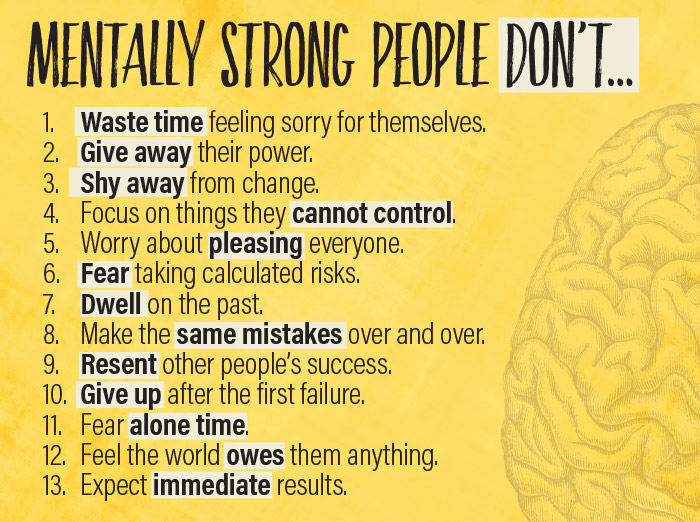
In the context of overall well-being, mental strength refers to the ability to effectively cope with challenges, stress, and setbacks in life. It involves resilience, perseverance, and a positive mindset that allows individuals to navigate difficult situations with grace and determination.
Strategies for Enhancing Mental Strength
- Practice gratitude daily to shift focus towards positivity.
- Engage in regular physical exercise to boost endorphins and improve mood.
- Develop healthy coping mechanisms such as deep breathing or meditation.
- Set realistic goals and celebrate small victories along the way.
- Seek support from friends, family, or a therapist when needed.
Importance of Practicing Self-Care and Mindfulness
Self-care and mindfulness play a crucial role in nurturing mental strength by promoting self-awareness, stress reduction, and emotional regulation. Taking time to prioritize self-care activities such as relaxation, hobbies, or social connections can help recharge mental resilience and enhance overall well-being. Mindfulness practices, such as meditation or yoga, can also improve focus, clarity, and emotional stability, contributing to a stronger mindset to face life’s challenges.
Yoga Practice
Regular yoga practice is a powerful tool in maintaining mental strength. The combination of physical postures, breathing techniques, and mindfulness in yoga can have profound effects on our overall well-being.
Specific Yoga Poses and Breathing Techniques
- One beneficial pose for mental well-being is the Child’s Pose (Balasana), which helps to calm the mind and relieve stress.
- Pranayama, or controlled breathing exercises, such as Alternate Nostril Breathing (Nadi Shodhana), can help to balance the nervous system and reduce anxiety.
- Mindful breathing techniques like the 4-7-8 Breath, where you inhale for 4 counts, hold for 7 counts, and exhale for 8 counts, can promote relaxation and mental clarity.
Holistic Benefits of Yoga
- Yoga not only improves physical flexibility and strength but also enhances mental clarity and focus.
- Regular yoga practice can reduce symptoms of depression, anxiety, and chronic stress by promoting relaxation and mindfulness.
- By connecting the body and mind through movement and breath, yoga helps individuals cultivate a sense of inner peace and emotional resilience.
Health Education
Maintaining mental strength over time requires ongoing health education to stay informed and empowered in making decisions that positively impact mental well-being. Health literacy plays a crucial role in understanding mental health topics, recognizing signs of distress, and seeking appropriate support when needed.
Importance of Health Education for Mental Strength
- Continuous learning about mental health helps individuals recognize the importance of self-care practices and coping mechanisms.
- Education on mental health reduces stigma and discrimination associated with mental illness, promoting a more supportive and understanding community.
- Access to up-to-date information and resources empowers individuals to take proactive steps in managing their mental well-being.
Role of Health Literacy in Mental Well-being
- Health literacy enables individuals to understand mental health conditions, treatment options, and the importance of seeking help from qualified professionals.
- Improved health literacy leads to better communication with healthcare providers, resulting in more effective treatment and support for mental health concerns.
- Understanding the impact of lifestyle choices on mental well-being helps individuals make informed decisions regarding their overall health.
Resources for Continuous Health Education on Mental Health
- Online platforms such as reputable mental health websites, podcasts, and webinars offer a wealth of information on various mental health topics.
- Local community centers, mental health clinics, and support groups provide educational workshops and seminars on coping strategies, stress management, and mental health awareness.
- Mental health apps and digital resources offer tools for tracking mood, practicing mindfulness, and accessing therapy or counseling services remotely.
Weight Management
Maintaining a healthy weight is not just about physical appearance, but it also plays a crucial role in mental well-being. The connection between weight management and mental strength is significant as it can impact self-esteem, confidence, and overall mood.
Tips for Maintaining a Healthy Weight
- Follow a balanced diet: Include a variety of fruits, vegetables, whole grains, lean proteins, and healthy fats in your meals.
- Stay active: Regular exercise not only helps in managing weight but also boosts mood and mental clarity.
- Stay hydrated: Drink an adequate amount of water throughout the day to support metabolism and reduce cravings.
- Get enough sleep: Lack of sleep can disrupt hormones related to hunger and cravings, leading to weight gain.
- Manage stress: Stress can lead to emotional eating and weight gain, so practicing stress-reducing activities like yoga or meditation is essential.
Psychological Impact of Weight Fluctuations, How to maintain mental strength over time
Weight fluctuations can have a significant psychological impact on mental health. It can lead to feelings of guilt, shame, and low self-esteem, which in turn can affect overall mental well-being. It is essential to focus on maintaining a healthy weight through sustainable lifestyle changes rather than quick fixes to support both physical and mental health.
Health Checkups: How To Maintain Mental Strength Over Time
Regular health checkups play a crucial role in monitoring mental health indicators and overall well-being. By scheduling routine checkups, individuals can identify any potential issues early on and take proactive steps to address them.
Key Health Metrics to Assess During Routine Checkups
- Blood pressure: High blood pressure can contribute to stress and anxiety.
- Cholesterol levels: Imbalances in cholesterol can impact brain function and mood.
- Blood sugar levels: Fluctuations in blood sugar can affect cognitive functions and mood stability.
- Thyroid function: Thyroid disorders can lead to symptoms of depression and anxiety.
- Vitamin D levels: Low levels of vitamin D have been linked to depression and other mental health issues.
- Sleep patterns: Poor sleep can exacerbate mental health conditions.
Role of Preventive Healthcare in Identifying Early Signs of Mental Health Issues
Preventive healthcare focuses on identifying risk factors and symptoms before they escalate into serious conditions. By incorporating mental health screenings and assessments into routine checkups, healthcare providers can detect early signs of mental health issues such as depression, anxiety, or cognitive decline. This proactive approach allows for timely interventions and treatment plans to be implemented, ultimately promoting better mental well-being.
Skin Health
Maintaining good skin health is not only important for physical appearance but also plays a significant role in mental well-being. The condition of our skin can impact our self-esteem, confidence, and overall mental health.
Skincare Practices for Mental Strength
- Establishing a consistent skincare routine can provide a sense of self-care and boost confidence.
- Practicing relaxation techniques while applying skincare products can help reduce stress and promote a sense of calm.
- Using sunscreen daily not only protects the skin but also prevents anxiety related to sun damage.
- Choosing skincare products with soothing scents or textures can create a calming sensory experience.
Skin Conditions and Mental Health
- Skin conditions such as acne, eczema, or psoriasis can negatively impact self-esteem and lead to feelings of insecurity or depression.
- The visible nature of skin conditions can cause social anxiety and affect one’s overall mental well-being.
- Seeking professional help and treatment for skin conditions is essential to improve both physical symptoms and psychological distress.
- Practicing self-compassion and self-acceptance can help individuals cope with the emotional challenges of managing skin conditions.
Emotional Health
Emotional health plays a crucial role in maintaining mental strength. It involves being aware of and effectively managing emotions, which can impact our overall well-being and resilience.
Importance of Emotional Health
Emotional health is essential for coping with stress, building healthy relationships, and making sound decisions. It allows individuals to navigate challenges with a positive outlook and adapt to changes effectively.
- Practicing self-care: Engaging in activities that bring joy and relaxation can help regulate emotions and reduce stress levels.
- Seeking support: Talking to friends, family, or a therapist can provide valuable insights and emotional validation during difficult times.
- Developing emotional intelligence: Understanding and expressing emotions in a healthy way fosters better communication and relationship management.
- Cultivating gratitude: Acknowledging and appreciating the positive aspects of life can improve overall emotional well-being.
Connection between Emotional Intelligence and Mental Strength
Emotional intelligence, which involves recognizing and managing emotions effectively, is closely linked to mental strength. Those with high emotional intelligence tend to have better coping mechanisms, problem-solving skills, and resilience in the face of adversity.
Emotional intelligence helps individuals navigate complex emotions, build healthier relationships, and make informed decisions, contributing to long-term mental well-being.
Health Motivation
Maintaining mental strength requires consistent motivation to stay committed to healthy habits. Without proper motivation, it can be challenging to overcome obstacles and setbacks on the journey to mental well-being.
Role of Intrinsic and Extrinsic Motivation
Intrinsic motivation comes from within, driven by personal values, beliefs, and goals. This type of motivation is essential for long-term success in maintaining mental strength. On the other hand, extrinsic motivation involves external factors such as rewards, recognition, or social approval. While extrinsic motivation can provide temporary boosts, intrinsic motivation is more sustainable in the long run.
- Set meaningful goals: Define clear and achievable goals that align with your values and priorities to enhance intrinsic motivation.
- Find purpose: Connect your mental health goals to a greater purpose or passion to stay motivated during challenging times.
- Celebrate small victories: Acknowledge and celebrate your progress, no matter how small, to boost intrinsic motivation and confidence.
- Seek support: Surround yourself with a supportive network of friends, family, or professionals who can provide encouragement and accountability.
Tips for Overcoming Motivation Slumps
Motivation slumps are common and can derail your efforts to maintain mental strength. Here are some tips to overcome slumps and stay committed to your mental health goals:
- Revisit your why: Remind yourself why mental health is important to you and how it aligns with your values and aspirations.
- Change your routine: Introduce variety and new challenges to prevent boredom and stagnation in your mental health journey.
- Practice self-care: Prioritize self-care activities that rejuvenate your mind and body, such as meditation, journaling, or spending time in nature.
- Stay flexible: Be open to adjusting your goals and strategies as needed to adapt to changing circumstances and challenges.
Physical Activities
Regular physical activities play a crucial role in maintaining mental strength. Engaging in physical exercise can help reduce stress, improve mood, boost self-esteem, and enhance cognitive function. It also promotes better sleep, increases energy levels, and reduces symptoms of anxiety and depression.
Examples of Physical Activities
- Cardiovascular exercises like running, swimming, or cycling
- Strength training with weights or resistance bands
- Yoga or Pilates for flexibility and mindfulness
- Dance classes for a fun and social workout
- Hiking or nature walks for a refreshing outdoor experience
Correlation between Physical Fitness and Mental Resilience
Regular physical activity not only improves physical health but also plays a vital role in building mental resilience. Exercise stimulates the release of endorphins, the body’s natural feel-good chemicals, which can help combat feelings of stress and anxiety. Additionally, staying physically active can improve self-discipline, confidence, and overall mental well-being. By maintaining a consistent exercise routine, individuals can enhance their ability to cope with challenges and setbacks, ultimately fostering a strong and resilient mindset.
Health Awareness
Raising awareness about mental health issues is crucial in today’s society. It helps to break down the stigma surrounding mental health and encourages open discussions about emotional well-being. By promoting mental health awareness, individuals can create a supportive environment where people feel comfortable seeking help and sharing their struggles without fear of judgment.
Importance of Destigmatizing Mental Health Discussions
Destigmatizing mental health discussions is essential for fostering a supportive environment where individuals feel empowered to prioritize their emotional well-being. By normalizing conversations about mental health, we can encourage people to seek help when needed and break down barriers to accessing mental health resources.
Ways to Promote Mental Health Awareness
- Educate yourself and others about mental health issues through workshops, seminars, and online resources.
- Participate in mental health advocacy events to raise awareness and reduce stigma in your community.
- Share your own experiences with mental health to help others feel less alone and encourage open dialogue.
- Support mental health organizations through donations, volunteer work, or fundraising efforts.
- Encourage schools, workplaces, and community centers to implement mental health programs and resources.
Preventive Medicine
Preventive medicine plays a crucial role in maintaining mental strength by focusing on early detection and intervention to prevent the onset of mental health challenges. By incorporating proactive healthcare practices, individuals can significantly reduce the risk of developing mental health issues and improve overall well-being.
Examples of Preventive Measures
- Regular mental health screenings to identify any early signs of anxiety, depression, or other mental health disorders.
- Engaging in stress management techniques such as meditation, mindfulness, or relaxation exercises to reduce the impact of stress on mental health.
- Maintaining a healthy lifestyle through regular exercise, balanced nutrition, and quality sleep to support mental resilience.
- Seeking professional help and counseling when facing challenging life situations or emotional distress to prevent the escalation of mental health issues.
Long-Term Benefits of Proactive Healthcare Practices
- Reduced risk of developing chronic mental health conditions and disorders, leading to improved quality of life.
- Enhanced resilience and coping skills to effectively manage stress, setbacks, and challenges in life.
- Promotion of overall mental well-being and emotional balance, fostering a positive outlook and mindset.
- Increased awareness and self-care practices that empower individuals to take control of their mental health and seek help when needed.
Nutritional Counseling
Nutritional counseling plays a crucial role in supporting mental health by providing individuals with personalized guidance on how to maintain a balanced diet that can positively impact their overall well-being. By seeking nutritional counseling, individuals can gain valuable insights into how certain foods and nutrients can affect their mood, energy levels, and cognitive function.
Benefits of Nutritional Counseling for Mental Health Support
- Customized Nutrition Plans: Nutritional counselors can create personalized meal plans tailored to an individual’s specific mental health needs, helping them optimize their diet for better emotional well-being.
- Educational Resources: Through counseling sessions, individuals can learn about the connection between nutrition and mental health, empowering them to make informed choices about their diet.
- Behavioral Changes: Nutritional counseling can assist individuals in developing healthier eating habits and making sustainable lifestyle changes that support their mental resilience.
Common Approaches in Nutritional Counseling for Mental Health
- Food Journaling: Keeping track of food intake can help identify patterns between diet and mood, enabling counselors to make targeted recommendations for improvement.
- Meal Planning: Creating balanced meal plans that include nutrient-rich foods essential for mental health, such as omega-3 fatty acids and B vitamins.
- Supplementation Guidance: Recommending appropriate supplements to address any nutritional deficiencies that may be impacting mental well-being.
Impact of Personalized Nutrition Plans on Mental Strength
- Enhanced Mood: A nutrition plan tailored to support mental health can help stabilize mood and reduce symptoms of anxiety and depression.
- Improved Cognitive Function: Nutrient-dense foods can enhance cognitive performance and focus, contributing to better mental clarity and resilience.
- Stress Management: Proper nutrition can play a key role in stress management, helping individuals cope better with life’s challenges and maintain a positive mindset.
Healthy Mind
Maintaining a healthy mind is crucial for overall well-being as it directly impacts our mental strength and resilience. A healthy mind allows us to cope with stress, make better decisions, and maintain a positive outlook on life. It involves a combination of practices and habits that promote emotional balance, cognitive function, and psychological well-being.
Practices for Nurturing a Healthy Mind
- Regular exercise: Physical activity can help reduce stress and anxiety while boosting mood-enhancing chemicals in the brain.
- Mindfulness meditation: Practicing mindfulness can increase self-awareness, reduce negative thinking patterns, and improve focus and concentration.
- Journaling: Expressing thoughts and emotions through writing can help process difficult feelings and promote mental clarity.
- Social connections: Building and maintaining strong relationships with others can provide emotional support and a sense of belonging.
- Adequate sleep: Getting enough rest is essential for cognitive function, emotional regulation, and overall mental health.
Mindfulness Techniques for a Healthy Mind
- Deep breathing exercises: Taking slow, deep breaths can help calm the mind and reduce stress levels.
- Body scan meditation: Focusing on different parts of the body can promote relaxation and body awareness.
- Gratitude practice: Acknowledging and appreciating the positive aspects of life can enhance overall well-being and perspective.
- Visualization: Imagining peaceful and positive scenarios can help reduce anxiety and promote a sense of calm.
- Progressive muscle relaxation: Tensing and releasing muscle groups can help alleviate physical tension and promote relaxation.
FAQ Resource
How can balanced nutrition support mental strength?
Balanced nutrition plays a key role in maintaining mental well-being by providing essential nutrients for mood regulation and cognitive function.
What is the significance of preventive medicine in mental strength?
Preventive medicine helps in averting mental health challenges by focusing on proactive healthcare practices for long-term well-being.
How does emotional health contribute to mental strength?
Emotional health is vital for maintaining mental resilience as it influences how individuals cope with stress and challenges over time.