Fitness Goals for Rehabilitation and Recovery: Setting the Path to Health

Fitness goals for rehabilitation and recovery

Fitness Goals for Rehabilitation and Recovery

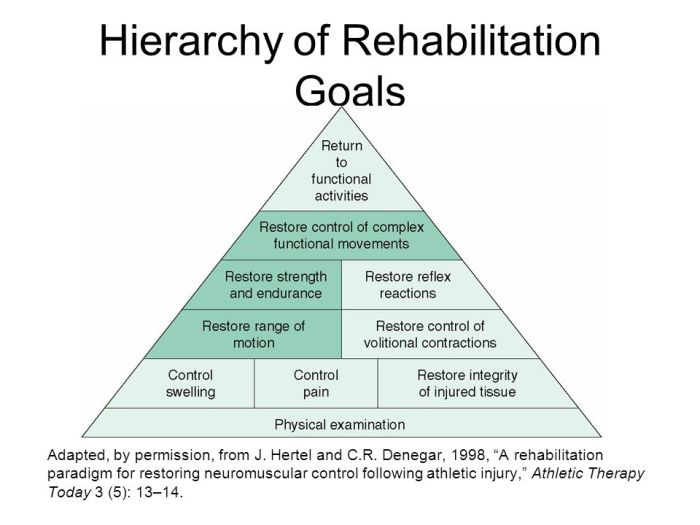
Setting specific fitness goals for rehabilitation is crucial as it provides individuals with a clear target to work towards, helping them track their progress and stay motivated throughout the recovery process. By establishing achievable objectives, individuals can focus on improving their physical abilities, strength, and overall well-being.

Types of Fitness Goals Suitable for Recovery

  • Improving range of motion: Setting goals to increase flexibility and mobility in affected areas can aid in restoring normal function and reducing pain.
  • Building strength: Establishing goals to strengthen muscles that may have weakened during injury or illness can help in improving overall physical function.
  • Enhancing cardiovascular endurance: Setting goals to improve cardiovascular fitness can boost stamina and energy levels, promoting faster recovery.
  • Enhancing balance and coordination: Goals focused on balance and coordination can help in preventing falls and improving stability, essential for rehabilitation.

How Fitness Goals can Motivate Individuals during Rehabilitation

Setting fitness goals provides individuals with a sense of purpose and direction, making the recovery journey more structured and manageable. Achieving these goals can boost confidence, self-esteem, and motivation, encouraging individuals to stay committed to their rehabilitation program. Additionally, progress tracking and celebrating small victories along the way can keep individuals motivated and engaged in the process.

Healthy Snacks

Fitness goals for rehabilitation and recovery – When it comes to rehabilitation and recovery, incorporating healthy snacks into your diet can offer numerous benefits. These snacks not only provide essential nutrients to support your body’s healing process but also help maintain energy levels throughout the day.

Nutritious Snack Options

Here are some nutritious snack options that can aid in recovery:

  • Fruits such as berries, bananas, and apples, which are rich in vitamins, minerals, and antioxidants.
  • Nuts and seeds like almonds, walnuts, and chia seeds, which provide healthy fats and protein for muscle repair.
  • Greek yogurt or cottage cheese, which are high in protein and can help with muscle recovery.
  • Vegetable sticks with hummus or guacamole for a dose of fiber, vitamins, and healthy fats.

Role of Healthy Snacks

Healthy snacks play a crucial role in supporting overall health and wellness by:

  • Providing a steady source of nutrients to aid in the healing process.
  • Helping regulate blood sugar levels and prevent energy crashes.
  • Supporting muscle recovery and preventing muscle loss during rehabilitation.

Wellness Programs
Fitness goals for rehabilitation and recovery

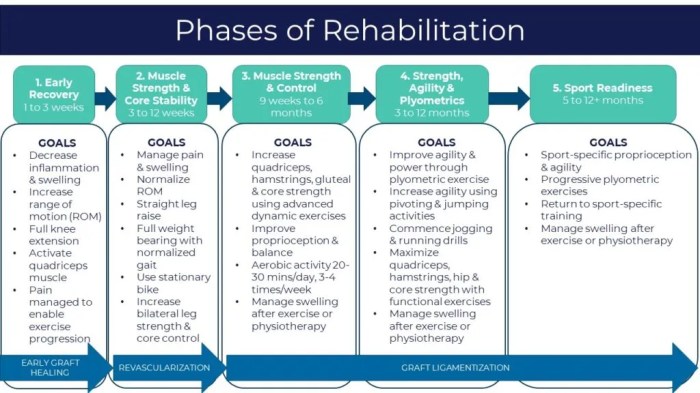
Wellness programs play a crucial role in the rehabilitation process by focusing on the overall well-being of individuals undergoing recovery. These programs are designed to address physical, mental, and emotional aspects to promote healing and improve quality of life.

Components of a Comprehensive Wellness Program

  • Physical Therapy: Incorporating exercises and activities to improve strength, flexibility, and mobility.
  • Nutritional Guidance: Providing education on healthy eating habits and creating personalized meal plans.
  • Mental Health Support: Offering counseling, stress management techniques, and mindfulness practices.
  • Emotional Wellness Activities: Including art therapy, meditation, and relaxation techniques to reduce anxiety and promote emotional healing.
  • Social Support Groups: Connecting individuals with peers who are going through similar experiences to foster a sense of community and belonging.

Impact of Wellness Programs on Recovery Outcomes

Wellness programs have been shown to enhance the recovery process by improving physical function, reducing pain, and boosting mental resilience. By addressing the holistic needs of individuals, these programs can lead to faster rehabilitation, lower risk of complications, and better long-term health outcomes.

Examples of Successful Wellness Programs

  • Cardiac Rehabilitation Program: Combining exercise, nutrition education, and stress management for individuals recovering from heart-related issues.
  • Cancer Survivor Wellness Program: Providing holistic support including physical therapy, counseling, and nutritional guidance for cancer survivors.
  • Substance Abuse Recovery Wellness Program: Offering a combination of therapy, group support, and holistic activities to support individuals in overcoming addiction.

Physical Therapy: Fitness Goals For Rehabilitation And Recovery

Physical therapy plays a crucial role in the rehabilitation and recovery process by helping individuals regain strength, mobility, and function after an injury, surgery, or illness. It is a key component in achieving fitness goals and improving overall quality of life.

Common Physical Therapy Techniques

  • Manual Therapy: Hands-on techniques such as massage, stretching, and joint mobilization to improve range of motion and reduce pain.
  • Therapeutic Exercises: Customized exercises to strengthen muscles, improve balance, and enhance flexibility.
  • Electrotherapy: The use of electrical stimulation to reduce pain, promote healing, and improve muscle function.
  • Ultrasound: High-frequency sound waves to promote tissue healing and reduce inflammation.
  • Cryotherapy: The application of cold therapy to reduce swelling and alleviate pain.

Importance of Consistency in Physical Therapy

Consistency in physical therapy is essential for achieving fitness goals as it allows for gradual progress, improved endurance, and better overall outcomes. Skipping sessions or not following through with the recommended exercises can hinder the rehabilitation process and delay recovery. By staying committed to a physical therapy regimen, individuals can maximize their potential for recovery and long-term success.

Health Coaching

Health coaching plays a crucial role in supporting individuals in setting and achieving fitness goals during recovery. By providing personalized guidance, motivation, and accountability, health coaches help individuals navigate their rehabilitation journey and make sustainable lifestyle changes to enhance their overall well-being.

When working with a health coach in a rehabilitation setting, individuals can benefit in various ways. Firstly, health coaches can help individuals create realistic and achievable fitness goals based on their specific needs and limitations. They also provide ongoing support and encouragement, helping individuals stay focused and motivated throughout the recovery process. Additionally, health coaches can educate individuals on proper exercise techniques, nutrition, and stress management strategies, empowering them to take control of their health and make positive lifestyle choices.

Some examples of strategies used by health coaches to promote health and wellness include personalized goal setting, behavior change techniques, accountability tools, and regular progress tracking. Health coaches also utilize motivational interviewing, active listening, and empathy to build a strong rapport with their clients and support them in overcoming any obstacles or setbacks they may face. By fostering a collaborative and supportive relationship, health coaches can empower individuals to make lasting changes that lead to improved health outcomes and enhanced quality of life.

Medical Advancements

Recent medical advancements have significantly improved the rehabilitation and recovery processes for individuals recovering from injuries or surgeries. These advancements have revolutionized the field of rehabilitation medicine, offering new and more effective treatments to help patients achieve their fitness goals.

Technological Innovations in Rehabilitation

Technology has played a crucial role in enhancing the field of rehabilitation medicine. From robotic exoskeletons that assist patients with mobility to virtual reality systems that aid in pain management, technological innovations have provided new avenues for improving rehabilitation outcomes.

  • Robot-assisted therapy: Robotic devices help patients regain strength and mobility in a controlled and precise manner, accelerating the recovery process.
  • Telemedicine: Remote monitoring and consultations allow healthcare professionals to track patients’ progress and provide guidance from a distance, increasing accessibility to rehabilitation services.
  • Wearable technology: Devices like fitness trackers and smart clothing enable continuous monitoring of vital signs and activity levels, enhancing personalized rehabilitation programs.

Future Trends in Medical Advancements

Looking ahead, the future of medical advancements in rehabilitation medicine holds promising developments that will further support fitness goals in recovery. Innovations in regenerative medicine, personalized treatment plans, and predictive analytics are expected to reshape the landscape of rehabilitation and recovery.

  • Regenerative therapies: Stem cell treatments and tissue engineering techniques offer potential solutions for repairing damaged tissues and promoting faster healing.
  • Personalized treatment approaches: Advances in genetic testing and data analytics allow for tailored rehabilitation programs based on individual characteristics and needs, optimizing outcomes.
  • Predictive analytics: Machine learning algorithms and predictive models can forecast recovery trajectories and identify potential complications early on, enabling proactive interventions for better results.

Balanced Nutrition

Fitness goals for rehabilitation and recovery

Proper nutrition plays a crucial role in supporting rehabilitation and recovery by providing the essential nutrients needed for optimal healing and strength building. A balanced diet can aid in speeding up the recovery process and improving overall health.

Essential Nutrients for Recovery

  • Protein: Protein is essential for muscle repair and growth. It helps in rebuilding tissues that may have been damaged during injury or illness.
  • Carbohydrates: Carbs are the body’s primary source of energy, crucial for maintaining energy levels during recovery and rehabilitation.
  • Healthy Fats: Healthy fats help in reducing inflammation and supporting overall brain function, which is important for cognitive health during recovery.
  • Vitamins and Minerals: Nutrients like Vitamin C, Vitamin D, and Zinc play a key role in supporting the immune system and promoting healing.
  • Hydration: Staying well-hydrated is essential for optimal recovery as it helps in transporting nutrients throughout the body and maintaining overall health.

Nutrition and Fitness Goals

Proper nutrition is closely linked to achieving fitness goals during rehabilitation. A well-balanced diet can help in maintaining energy levels, supporting muscle recovery, and reducing the risk of complications. By fueling the body with the right nutrients, individuals can enhance their physical performance and make progress towards their fitness objectives.

Mental Strength

Building mental strength is crucial for successful rehabilitation outcomes and achieving fitness goals. A positive mindset can have a significant impact on the recovery process.

Techniques for Building Mental Resilience

  • Practice mindfulness and meditation to stay focused and calm during challenges.
  • Set realistic goals and celebrate small victories along the way.
  • Stay connected with a support system of friends, family, or a therapist.
  • Acknowledge and accept your emotions, but don’t let them control your actions.

Impact of a Positive Mindset on Achieving Fitness Goals

  • Believing in your ability to recover and get stronger can boost motivation and perseverance.
  • Visualize success and maintain a can-do attitude to overcome obstacles.
  • Focus on the progress made rather than setbacks, and learn from challenges.
  • Stay adaptable and open to new strategies or approaches to reach your fitness goals.

Yoga Practice

Yoga can be a beneficial addition to traditional rehabilitation methods for individuals in recovery. The practice of yoga focuses on physical postures, breathing techniques, and meditation, which can help improve flexibility, strength, and mental well-being.

Benefits of Yoga in Rehabilitation

  • Improves Flexibility: Yoga poses help stretch and lengthen muscles, promoting increased flexibility which can be especially beneficial for individuals recovering from injuries or surgeries.
  • Strengthens Muscles: Holding yoga poses requires muscle engagement, helping to build strength in a gentle and controlled manner.
  • Reduces Stress and Anxiety: The focus on breath control and mindfulness in yoga can help individuals manage stress and anxiety levels, promoting overall mental well-being.
  • Enhances Balance and Coordination: Many yoga poses require balance and coordination, which can be helpful for individuals working on regaining stability after an injury.

Examples of Beneficial Yoga Poses

  • Child’s Pose (Balasana): This resting pose helps stretch the back, hips, and thighs, promoting relaxation and relieving tension.
  • Warrior II (Virabhadrasana II): Strengthens the legs, opens the hips, and improves balance, making it a great pose for building stability.
  • Tree Pose (Vrikshasana): Enhances balance and focus while strengthening the ankles and legs, which can be beneficial for individuals recovering from lower body injuries.
  • Cat-Cow Stretch (Chakravakasana): This gentle flow between two poses helps improve spinal flexibility and mobility, which is essential for overall movement and recovery.

Health Education

Health education plays a crucial role in empowering individuals to make informed choices during recovery. By providing knowledge and resources, individuals can better understand their condition, treatment options, and lifestyle changes necessary for successful rehabilitation.

Benefits of Health Education in Rehabilitation

  • Empowers individuals to actively participate in their recovery process.
  • Increases awareness of the importance of following treatment plans and making healthy choices.
  • Enhances communication between patients and healthcare providers, leading to better outcomes.

Examples of Health Education Resources

  • Personalized nutrition plans tailored to support recovery and fitness goals.
  • Online educational modules covering topics such as exercise techniques, stress management, and injury prevention.
  • Support groups or counseling services to address mental health and emotional well-being during recovery.

Weight Management

Weight management plays a crucial role in supporting rehabilitation and recovery by ensuring that the body is at an optimal weight to facilitate healing and improve overall health. Maintaining a healthy weight can help reduce the risk of complications, such as cardiovascular issues and joint stress, which can hinder the recovery process.

Strategies for Healthy Weight Management During Recovery

  • Focus on balanced nutrition: Eating a variety of nutrient-dense foods can help support the body’s healing process and promote overall well-being.
  • Stay active within your limits: Incorporating gentle exercises or physical activities recommended by healthcare professionals can aid in weight management without causing strain on the body.
  • Monitor portion sizes: Being mindful of portion sizes and avoiding overeating can prevent unnecessary weight gain during the recovery phase.
  • Stay hydrated: Drinking an adequate amount of water can help regulate metabolism and support weight management.
  • Seek support: Working with a health coach or nutritionist can provide guidance and accountability in maintaining a healthy weight during the recovery journey.

Impact of Weight Management on Achieving Fitness Goals Post-Rehabilitation

Weight management plays a significant role in achieving fitness goals post-rehabilitation by ensuring that the body is in optimal condition to engage in physical activities and exercise. By maintaining a healthy weight, individuals can improve their stamina, strength, and overall fitness level, which are essential for reaching and surpassing fitness goals. Additionally, weight management can help reduce the risk of injury during workouts and enhance recovery time between exercise sessions.

Health Checkups

Regular health checkups play a crucial role in the recovery phase of rehabilitation. These checkups are essential for monitoring progress towards fitness goals and ensuring that the individual is on the right track to recovery. Healthcare professionals play a key role in tracking the recovery process through these checkups, providing valuable insights and guidance to support the individual’s journey to wellness.

Importance of Health Checkups

  • Health checkups help in early detection of any potential health issues that may arise during the recovery phase.
  • Regular monitoring through checkups allows healthcare professionals to make necessary adjustments to the rehabilitation plan to optimize results.
  • Checkups provide a holistic view of the individual’s health status, including physical, mental, and emotional well-being.

Tracking Progress Towards Fitness Goals

  • Health checkups provide measurable data on key health indicators such as blood pressure, heart rate, cholesterol levels, and more.
  • By tracking these indicators over time, individuals can see improvements in their health and fitness levels, motivating them to stay committed to their goals.
  • Healthcare professionals use the data from checkups to assess the effectiveness of the rehabilitation program and make informed decisions for the individual’s care.

Role of Healthcare Professionals in Monitoring Recovery

  • Healthcare professionals conduct thorough evaluations during checkups to assess the individual’s progress, identify any setbacks, and provide personalized recommendations for improvement.
  • They collaborate with the individual to set achievable health goals and milestones, guiding them towards successful recovery and long-term wellness.
  • Through regular checkups, healthcare professionals build a supportive relationship with the individual, offering encouragement, education, and resources to enhance their recovery journey.

Skin Health

Skin health plays a crucial role in overall wellness, especially during rehabilitation and recovery. The condition of our skin can be an indicator of our internal health and can impact how we feel physically and mentally.

Skincare Tips for Individuals Undergoing Recovery

  • Stay hydrated by drinking plenty of water to keep your skin moisturized and healthy.
  • Use gentle skincare products to avoid irritation or exacerbating any existing skin conditions.
  • Protect your skin from the sun by wearing sunscreen to prevent damage and promote healing.
  • Eat a balanced diet rich in vitamins and antioxidants to nourish your skin from the inside out.
  • Practice good hygiene to prevent infections and maintain skin health during recovery.

Impact of Skin Health on Confidence and Motivation in Achieving Fitness Goals

Skin health can significantly impact an individual’s confidence and motivation during the rehabilitation process. When your skin looks and feels healthy, it can boost your self-esteem and encourage you to stay committed to your fitness goals. Conversely, skin issues or discomfort can hinder your progress and make you feel less motivated. Taking care of your skin not only promotes physical healing but also mental well-being, helping you stay positive and focused on your recovery journey.

Emotional Health

Emotional well-being plays a crucial role in the journey of recovery and rehabilitation. It can significantly impact an individual’s ability to set and achieve fitness goals, as emotions are closely tied to motivation, perseverance, and overall mental strength.

Strategies for Managing Emotions During Rehabilitation

During the rehabilitation process, it is important to implement strategies to manage emotions effectively. This can include:

  • Practicing mindfulness and relaxation techniques such as deep breathing or meditation.
  • Engaging in activities that bring joy and reduce stress, such as listening to music or spending time in nature.
  • Seeking support from friends, family, or a therapist to navigate challenging emotions and build resilience.
  • Setting realistic expectations and being patient with oneself throughout the recovery journey.

Impact of Emotional Health on Fitness Goals

Emotional health directly impacts the ability to set and achieve fitness goals for recovery. Positive emotions like motivation, determination, and optimism can enhance progress and success in rehabilitation. On the other hand, negative emotions such as fear, frustration, or self-doubt can hinder the achievement of fitness goals and overall well-being. Therefore, prioritizing emotional well-being is essential for a holistic approach to recovery and long-term health.

Health Motivation

Staying motivated during the rehabilitation and recovery process is crucial for achieving fitness goals and overall well-being. Motivation plays a significant role in overcoming challenges and setbacks, especially after an injury or illness. Here are some techniques and strategies to boost health motivation:

Setting Realistic Goals

Setting achievable and realistic fitness goals post-injury or illness can help maintain motivation. Start small and gradually increase the intensity or duration of your workouts as you progress. Celebrate small victories along the way to stay motivated.

Creating a Support System

Surround yourself with a supportive network of friends, family, or healthcare professionals who can encourage and motivate you during tough times. Having someone to share your progress, setbacks, and achievements with can boost morale and keep you focused on your health goals.

Rewarding Yourself

Incorporate rewards into your fitness journey to stay motivated. Treat yourself to something you enjoy after reaching a milestone or completing a challenging workout. This positive reinforcement can help reinforce healthy habits and keep you motivated to continue on your path to recovery.

Visualizing Success

Visualizing yourself achieving your fitness goals can be a powerful motivator. Imagine how you will look and feel when you reach your desired level of fitness. This mental imagery can help you stay focused and motivated, especially during challenging times.

Tracking Progress

Keeping track of your progress, whether it’s through a fitness journal, app, or wearable device, can help you stay motivated. Seeing how far you’ve come and the improvements you’ve made over time can be a great source of motivation to keep pushing forward.

Finding Inspiration

Seek inspiration from others who have overcome similar challenges or setbacks. Reading success stories, watching motivational videos, or following fitness influencers on social media can provide the inspiration and encouragement you need to stay motivated on your own health journey.

Physical Activities

Regular physical activity is crucial for rehabilitation and recovery as it helps improve strength, flexibility, and overall well-being. Incorporating a variety of exercises into a recovery routine can target different muscle groups, prevent boredom, and enhance progress. Low-impact activities are especially beneficial for individuals in recovery as they minimize stress on joints and muscles while still providing a good workout.

Types of Physical Activities, Fitness goals for rehabilitation and recovery

  • Walking: A simple yet effective low-impact exercise that can be easily tailored to individual fitness levels.
  • Swimming: Great for overall body conditioning and cardiovascular health without putting too much strain on joints.
  • Cycling: Whether outdoors or on a stationary bike, cycling is gentle on the joints and helps improve leg strength.
  • Yoga: Combining gentle movements with breath work, yoga can improve flexibility, balance, and mental well-being.

Health Awareness

Raising awareness about health-related issues is crucial during the recovery process as it helps individuals understand the importance of taking care of their physical and mental well-being. By educating them about potential risks, preventive measures, and healthy practices, they can make informed decisions that support their overall health.

Significance of Health Awareness in Achieving Fitness Goals

  • Increased health awareness provides individuals with the knowledge and motivation needed to make positive lifestyle changes that align with their fitness goals.
  • Understanding the impact of their choices on their health can empower individuals to stay committed to their rehabilitation and recovery journey.
  • Health awareness helps individuals identify barriers to their fitness goals and seek appropriate support or resources to overcome them.

Impact of Health Awareness Campaigns on Wellness Promotion

  • Health awareness campaigns create a supportive environment that fosters a culture of prioritizing health and well-being in rehabilitation settings.
  • By promoting awareness about various health issues, these campaigns encourage individuals to engage in preventive measures and early interventions, leading to better overall wellness outcomes.
  • Increased health awareness can reduce stigma around certain health conditions and encourage open communication, support, and collaboration among individuals in their recovery journey.

Preventive Medicine

Preventive medicine plays a crucial role in maintaining overall health and wellness by identifying and addressing potential risks before they escalate into serious health issues. By focusing on prevention, individuals can reduce the likelihood of future injuries or setbacks, ultimately supporting their long-term fitness goals and aiding in the recovery process.

Benefits of Preventive Medicine for Rehabilitation and Recovery

  • Regular Health Screenings: Routine check-ups and screenings can help detect any underlying health conditions early on, allowing for prompt treatment and prevention of complications.
  • Healthy Lifestyle Promotion: Encouraging healthy habits such as regular exercise, balanced nutrition, and stress management can improve overall well-being and support the rehabilitation and recovery process.
  • Vaccinations: Staying up to date on vaccinations can prevent certain illnesses that could hinder progress towards fitness goals.
  • Injury Prevention Strategies: Implementing proper warm-up routines, using correct form during exercises, and incorporating rest days can help reduce the risk of injuries during physical activities.

Nutritional Counseling

Nutritional counseling plays a crucial role in developing a personalized diet plan for recovery. By working closely with a nutritionist, individuals can receive tailored guidance on their nutritional needs during the rehabilitation process and beyond.

Benefits of Working with a Nutritionist

  • Assessment of Nutritional Needs: Nutritionists can assess an individual’s specific nutritional requirements based on their health condition, activity level, and goals.
  • Personalized Meal Plans: Nutritionists can create customized meal plans that support recovery, enhance energy levels, and promote overall wellness.
  • Educational Support: Nutritionists provide valuable education on healthy eating habits, portion control, and food choices to empower individuals in making informed decisions.
  • Monitoring and Adjustments: Nutritionists can monitor progress, track changes, and make necessary adjustments to the diet plan to ensure optimal results.

Optimizing Recovery Outcomes

Nutritional counseling can optimize recovery outcomes by ensuring that individuals are fueling their bodies with the right nutrients to support healing, repair tissues, and boost immune function. A well-balanced diet can also help manage inflammation, reduce the risk of complications, and improve overall health and well-being in the long run.

Healthy Mind

Maintaining a healthy mind is essential for achieving overall health and fitness goals, especially during the rehabilitation process. A healthy mind not only impacts your mental well-being but also plays a significant role in physical recovery and achieving fitness milestones.

Impact of Mental Well-being on Recovery Process

During the recovery process, mental well-being can greatly influence the speed and effectiveness of rehabilitation. Individuals with a positive mindset are more likely to adhere to their treatment plans, stay motivated, and push through challenges. On the other hand, those struggling with mental health issues may find it harder to commit to their recovery journey and may experience setbacks in their progress.

Strategies for Maintaining a Healthy Mind

  • Practice mindfulness and meditation to reduce stress and anxiety levels.
  • Engage in regular physical activity to boost endorphins and improve mood.
  • Connect with a support system of friends, family, or a therapist to discuss your feelings and emotions.
  • Set realistic goals and celebrate small achievements to stay motivated and positive.
  • Ensure you are getting enough quality sleep to support brain function and emotional well-being.
  • Avoid negative self-talk and practice self-compassion and self-care.
  • Engage in activities that bring you joy and relaxation, such as hobbies or creative outlets.

Question Bank

How can fitness goals benefit individuals in rehabilitation?

Fitness goals provide a sense of direction and purpose, motivating individuals to stay focused on their recovery journey and achieve tangible results.

What are some examples of fitness goals suitable for recovery?

Examples include improving flexibility, building strength, increasing endurance, and achieving specific milestones like walking a certain distance.

How do wellness programs impact recovery outcomes?

Wellness programs offer a holistic approach to rehabilitation, addressing physical, emotional, and mental well-being, which can lead to improved recovery outcomes and overall health.

At-home physical therapy exercises: Improve your health at home with these effective exercises

At-home physical therapy exercises

At-home physical therapy exercises

At-home physical therapy exercises play a crucial role in aiding recovery, improving mobility, and strengthening muscles. These exercises are designed to be done independently or with minimal supervision, allowing individuals to continue their rehabilitation outside of in-person therapy sessions.

Importance of at-home physical therapy exercises

Engaging in at-home physical therapy exercises can help individuals maintain the progress made during in-person therapy sessions, prevent muscle stiffness, and enhance overall physical function. Consistency with these exercises can lead to better outcomes and faster recovery.

Examples of effective at-home physical therapy exercises

  • Quad sets: Sitting with your legs straight, tighten the muscles on the top of your thigh and hold for a few seconds. Repeat multiple times.
  • Shoulder blade squeezes: Sit or stand with arms by your sides, squeeze your shoulder blades together, hold for a few seconds, and release. Repeat.
  • Heel raises: Stand with feet hip-width apart, raise onto your toes, hold, and slowly lower back down. Repeat.

How at-home physical therapy exercises can complement in-person therapy sessions

At-home exercises serve as a continuation of the progress made in in-person therapy sessions, reinforcing the techniques and movements learned during those sessions. They provide individuals with the opportunity to practice and maintain their physical therapy routine, contributing to a more comprehensive and effective rehabilitation process.

Healthy Snacks

Incorporating healthy snacks into your daily diet can have numerous benefits for your overall health and wellness. Not only can they provide essential nutrients and energy, but they can also help in managing weight, reducing cravings, and improving concentration.

Easy and Nutritious Healthy Snack Options:

  • Raw vegetables with hummus or Greek yogurt dip
  • Fresh fruit such as apples, berries, or bananas
  • Handful of nuts or seeds for a quick protein boost
  • Whole grain crackers with cheese or nut butter
  • Greek yogurt with honey and granola

How Healthy Snacks Contribute to Overall Wellness:

Healthy snacks play a crucial role in maintaining a balanced diet and can help in preventing overeating during main meals. By choosing nutrient-dense options, you can fuel your body with the necessary vitamins, minerals, and antioxidants it needs to function optimally. Additionally, healthy snacks can keep your metabolism active and provide sustained energy levels throughout the day, ultimately leading to better productivity and focus.

Wellness Programs

Wellness programs are comprehensive initiatives designed to promote holistic health and well-being among individuals. These programs typically encompass various activities, resources, and educational tools aimed at improving physical, mental, and emotional health.

The impact of wellness programs on individuals’ health and lifestyle is profound. By encouraging healthy habits, such as regular exercise, balanced nutrition, stress management techniques, and adequate sleep, these programs can help prevent chronic diseases, boost immunity, enhance mood, and increase overall quality of life.

Examples of Successful Wellness Programs and Their Components

  • Corporate Wellness Programs:
    • On-site fitness classes and gym memberships
    • Nutritional counseling and healthy cooking workshops
    • Mental health resources, such as counseling services and stress management seminars
  • Community Wellness Programs:
    • Free or low-cost exercise classes in parks or community centers
    • Health screenings and wellness fairs with information on preventive care
    • Support groups for individuals dealing with specific health challenges
  • Online Wellness Programs:
    • Virtual workout sessions and fitness challenges
    • Healthy recipe sharing and nutrition tracking apps
    • Mindfulness and meditation resources for stress relief

Physical Therapy

Physical therapy plays a crucial role in the rehabilitation and healing process for individuals recovering from injuries, surgeries, or other medical conditions. It focuses on improving mobility, reducing pain, restoring function, and preventing disability through targeted exercises and interventions.

Benefits of Physical Therapy

In-person physical therapy sessions offer the advantage of direct supervision and guidance from a trained therapist, allowing for immediate feedback and adjustments to the treatment plan. On the other hand, at-home exercises provide convenience and flexibility for patients to continue their rehabilitation outside of clinic hours, promoting consistency and independence in their recovery journey.

Types of Physical Therapy Techniques

  • Therapeutic Exercises: Prescribed exercises tailored to the individual’s needs to improve strength, flexibility, and endurance.
  • Manual Therapy: Hands-on techniques such as massage, mobilization, or manipulation to alleviate pain and improve joint mobility.
  • Electrotherapy: The use of electrical stimulation to manage pain, reduce inflammation, and promote tissue healing.
  • Ultrasound Therapy: High-frequency sound waves applied to the body to generate heat and enhance blood flow, aiding in tissue repair.
  • Balance and Gait Training: Exercises to improve coordination, stability, and walking patterns for individuals with mobility issues.

Health Coaching

Health coaches play a vital role in guiding individuals towards adopting healthier lifestyles. They work with clients to set achievable goals, provide education and support, and help create personalized plans for improved overall well-being.

Working with a health coach can bring a multitude of benefits. Clients often experience increased motivation, accountability, and empowerment to make lasting changes. Health coaches can offer valuable expertise, encouragement, and resources to help individuals navigate their wellness journey successfully.

Benefits of Health Coaching

  • Personalized guidance tailored to individual needs and goals
  • Accountability and support to stay on track
  • Educational resources to enhance understanding of health and wellness
  • Motivation to make sustainable lifestyle changes
  • Tools and strategies to manage stress, improve nutrition, and increase physical activity

Medical Advancements

Recent medical advancements in the field of physical therapy and rehabilitation have brought about innovative technologies that are transforming healthcare treatments.

Technological Innovations in Medical Treatments

Technological advancements have revolutionized medical treatments by providing more effective and efficient solutions for patients. These innovations have improved the quality of care and outcomes for individuals undergoing physical therapy and rehabilitation.

Cutting-Edge Medical Advancements

  • Robot-Assisted Therapy: Robotic devices are being used to assist patients in their physical therapy exercises, providing precise movements and feedback to optimize recovery.
  • Virtual Reality Rehabilitation: Virtual reality technology is being utilized to create immersive environments for patients to engage in therapeutic activities, improving motor skills and cognitive functions.
  • Exoskeleton Technology: Exoskeletons are being developed to support and enhance the mobility of individuals with mobility impairments, enabling them to participate in physical therapy exercises with greater ease.
  • Telehealth Services: The use of telehealth services allows patients to receive remote monitoring and guidance from healthcare providers, ensuring continuity of care and access to rehabilitation services from the comfort of their homes.

Fitness Goals

Setting achievable fitness goals is crucial for progress and success in any fitness journey. It provides a clear direction, motivation, and a sense of accomplishment. Here are some tips on how to establish and track fitness goals effectively:

Importance of Setting Achievable Fitness Goals

  • Start by defining specific, measurable, attainable, relevant, and time-bound (SMART) goals to ensure clarity and focus.
  • Break down long-term goals into smaller, manageable milestones to track progress and stay motivated.
  • Consider your current fitness level, lifestyle, and limitations when setting goals to make them realistic and achievable.
  • Regularly reassess and adjust your goals based on your progress, challenges, and priorities to stay on track.

Impact of Fitness Goals on Overall Health and Motivation

  • Having clear fitness goals can improve your physical health by encouraging regular exercise, healthy eating habits, and better sleep patterns.
  • Achieving fitness goals can boost your mental health and overall well-being by increasing confidence, reducing stress, and enhancing mood.
  • Setting and reaching fitness goals can provide a sense of accomplishment, motivation, and empowerment to continue pursuing a healthy lifestyle.
  • Tracking your fitness progress can help you stay accountable, celebrate achievements, and stay motivated to push towards new goals.

Balanced Nutrition

Having a balanced nutrition plan means consuming a variety of foods that provide essential nutrients in the right proportions to support overall health and well-being.

Components of a Balanced Meal Plan

A balanced meal plan typically includes a combination of fruits, vegetables, whole grains, lean proteins, and healthy fats. These components ensure that your body receives the necessary vitamins, minerals, and macronutrients for optimal functioning.

  • Include a variety of colorful fruits and vegetables to get a range of vitamins and antioxidants.
  • Opt for whole grains like brown rice, quinoa, and oats to increase fiber intake and promote digestive health.
  • Choose lean proteins such as chicken, fish, tofu, or legumes to support muscle growth and repair.
  • Incorporate healthy fats from sources like avocado, nuts, and olive oil to support heart health and cognitive function.

Relationship between Balanced Nutrition, Energy Levels, and Physical Performance

Eating a balanced diet plays a crucial role in maintaining steady energy levels throughout the day. Nutrient-dense foods provide the fuel needed for physical activity and exercise, helping to enhance performance and recovery.

By fueling your body with the right balance of nutrients, you can optimize your energy levels and support your fitness goals.

Mental Strength

Mental strength plays a crucial role in achieving overall health and wellness goals. It involves the ability to stay resilient, focused, and motivated even in the face of challenges.

Importance of Mental Strength

Having mental strength is essential as it helps individuals overcome obstacles, maintain a positive mindset, and stay committed to their health journey. It enables individuals to cope with stress, setbacks, and uncertainties effectively.

Strategies for Improving Mental Resilience

  • Practice mindfulness and meditation to stay present and calm.
  • Set realistic goals and break them down into manageable steps.
  • Stay connected with a support system of friends, family, or a therapist.
  • Engage in activities that bring joy and relaxation, such as hobbies or exercise.
  • Challenge negative thoughts and replace them with positive affirmations.

Correlation between Mental Strength and Physical Well-being

Mental strength directly impacts physical well-being. When individuals have a strong mindset, they are more likely to adhere to their exercise routines, follow a balanced diet, and prioritize self-care. This, in turn, leads to improved physical health, better immune function, and overall well-being.

Yoga Practice

Regular yoga practice offers a multitude of benefits for both the body and mind. Incorporating yoga into a fitness routine can help improve flexibility, strength, and mental well-being.

Yoga poses that promote flexibility, strength, and relaxation include:

Different Yoga Poses

  • Downward Facing Dog: Strengthens the arms, shoulders, and legs while stretching the back and hamstrings.
  • Warrior II: Enhances lower body strength and opens up the hips, chest, and shoulders.
  • Child’s Pose: Promotes relaxation, stretches the hips, thighs, and ankles, and helps alleviate stress.
  • Tree Pose: Improves balance and concentration while strengthening the legs and core.
  • Cobra Pose: Increases flexibility in the spine, strengthens the back muscles, and opens up the chest.

By engaging in regular yoga practice, individuals can experience a variety of physical and mental health benefits. The combination of movement, breathwork, and mindfulness in yoga can lead to reduced stress levels, improved focus, and a sense of overall well-being.

Enhanced Physical and Mental Health

Regular yoga practice can:

  • Improve flexibility, balance, and posture.
  • Enhance muscle strength and endurance.
  • Reduce anxiety and depression symptoms.
  • Promote relaxation and better sleep quality.
  • Boost overall mood and mental clarity.

The holistic approach of yoga makes it a valuable addition to any fitness routine, offering not just physical benefits but also mental and emotional support.

Health Education

Health education plays a crucial role in promoting preventive healthcare by empowering individuals with the knowledge and skills needed to make informed decisions about their well-being. By increasing health literacy, people are better equipped to take proactive steps towards maintaining their health and preventing illnesses.

Significance of Health Education

  • Health education helps individuals understand the importance of adopting healthy behaviors and lifestyle choices to prevent diseases.
  • It enhances awareness about risk factors and warning signs, enabling early detection and intervention for better health outcomes.
  • By promoting regular screenings and check-ups, health education encourages proactive healthcare management and disease prevention.

Examples of Effective Health Education Programs

  • The CDC’s “Choose My Plate” initiative educates the public on balanced nutrition and healthy eating habits.
  • School-based programs that teach students about the benefits of physical activity and the risks of substance abuse have shown positive health outcomes.
  • Community workshops on stress management techniques and mental health awareness contribute to overall well-being.

Empowering Individuals through Health Literacy

  • Increased health literacy enables individuals to critically evaluate health information and make informed decisions about their lifestyle choices.
  • It empowers patients to actively participate in their healthcare decisions and communicate effectively with healthcare providers.
  • Health education equips individuals with the skills to navigate the healthcare system, access resources, and advocate for their health needs.

Weight Management

Maintaining a healthy weight is crucial for overall health and wellness. It involves a combination of proper diet and regular exercise to achieve and sustain a healthy body mass index (BMI).

Tips for Maintaining a Healthy Weight

  • Focus on whole, nutrient-dense foods such as fruits, vegetables, lean proteins, and whole grains.
  • Avoid processed foods high in added sugars, unhealthy fats, and empty calories.
  • Stay hydrated by drinking plenty of water throughout the day.
  • Engage in regular physical activity, such as cardio, strength training, and flexibility exercises.
  • Monitor portion sizes to prevent overeating and practice mindful eating habits.

Impact of Weight Management on Health

Weight management plays a significant role in preventing chronic diseases like diabetes, heart disease, and certain types of cancer. Maintaining a healthy weight can also improve energy levels, mood, and overall quality of life.

Setting Realistic Weight Management Goals

  • Consult with a healthcare provider or nutritionist to set achievable weight loss goals based on your individual needs.
  • Track your progress using tools like food journals, fitness apps, or wearable devices.
  • Create a balanced meal plan and exercise routine that fits your lifestyle and preferences.
  • Stay motivated by celebrating small victories and seeking support from friends, family, or a health coach.
  • Adjust your goals as needed and focus on long-term sustainability rather than quick fixes.

Health Checkups

At-home physical therapy exercises
Regular health checkups play a crucial role in maintaining overall health and well-being. These routine visits can help in early detection of health issues, allowing for timely intervention and treatment.

Key Screenings and Tests

  • For Children: Regular pediatric checkups including developmental screenings, vaccinations, and vision/hearing tests.
  • For Adults: Blood pressure, cholesterol, blood sugar, and cancer screenings based on age, gender, and family history.
  • For Seniors: Bone density tests, cognitive assessments, and screenings for conditions like osteoporosis and Alzheimer’s disease.

Benefits of Preventive Healthcare

  • Early detection of diseases leads to better treatment outcomes and improved prognosis.
  • Preventive care can help in reducing healthcare costs in the long run by avoiding advanced and costly treatments.
  • Regular health checkups promote a proactive approach towards health, empowering individuals to take charge of their well-being.

Skin Health

Maintaining healthy skin is essential for overall well-being as our skin is the body’s largest organ and serves as a protective barrier against external threats. Establishing a skincare routine can help keep our skin healthy and vibrant.

Importance of Skincare Routines

Skincare routines play a crucial role in maintaining healthy skin by cleansing, moisturizing, and protecting it from environmental factors. Consistent skincare can help prevent acne, premature aging, and skin conditions.

Tips for Protecting Skin

  • Avoid prolonged sun exposure and always use sunscreen with at least SPF 30 to protect against harmful UV rays.
  • Stay hydrated by drinking plenty of water to keep the skin hydrated and maintain its elasticity.
  • Eat a balanced diet rich in antioxidants and vitamins to promote skin health from within.

Common Skin Conditions and Solutions

  • Acne: Maintain a consistent skincare routine, avoid picking or squeezing acne, and consider using products with salicylic acid or benzoyl peroxide.
  • Eczema: Keep the skin moisturized, avoid harsh soaps, and use fragrance-free products to prevent flare-ups.
  • Pigmentation: Use products with ingredients like vitamin C, retinol, or hydroquinone to reduce dark spots and even out skin tone.

Emotional Health

Emotional health plays a crucial role in our overall well-being, impacting both our mental and physical health. When we experience stress, anxiety, or other emotional challenges, it can manifest in physical symptoms and affect our immune system, cardiovascular health, and more.

Connection between Emotional Well-being and Physical Health

Emotional well-being and physical health are closely intertwined. Chronic stress, for example, can lead to high blood pressure, weakened immune system, and increased risk of heart disease. Taking care of our emotional health through relaxation techniques, therapy, and self-care practices can help improve our physical health and overall quality of life.

Strategies for Managing Stress and Anxiety

  • Practice mindfulness and meditation to stay present and reduce stress.
  • Engage in regular physical activity to release endorphins and boost mood.
  • Reach out to a therapist or counselor for professional support and guidance.
  • Prioritize self-care activities such as journaling, reading, or spending time in nature.

Impact of Positive Emotional Health on Quality of Life

Positive emotional health can lead to improved relationships, better performance at work or school, and a greater sense of fulfillment and happiness. By prioritizing our emotional well-being, we can enhance our overall quality of life and better cope with life’s challenges.

Health Motivation

Staying motivated to maintain a healthy lifestyle is crucial for achieving long-term health and fitness goals. Motivation plays a significant role in keeping us on track and committed to our health routines. It can be challenging to stay motivated, especially when faced with obstacles or setbacks, but there are strategies that can help you overcome these barriers and stay focused on your journey to better health.

Tips for Staying Motivated

  • Set specific, achievable goals: Having clear and measurable goals can help keep you motivated and focused on your progress.
  • Find a workout buddy: Exercising with a friend or family member can provide accountability and make workouts more enjoyable.
  • Reward yourself: Celebrate your accomplishments, whether big or small, to stay motivated and encouraged along the way.
  • Switch up your routine: Keep things interesting by trying new exercises, activities, or classes to prevent boredom and stay motivated.

Role of Motivation in Achieving Goals, At-home physical therapy exercises

  • Motivation is the driving force behind taking action towards your health and fitness goals. It helps you stay focused, committed, and determined to make positive changes in your lifestyle.
  • Without motivation, it can be challenging to stay consistent with your routines and overcome obstacles that may come your way.
  • By staying motivated, you are more likely to push through challenges, stay committed to your goals, and ultimately see progress in your health and fitness journey.

Strategies for Overcoming Barriers

  • Identify potential obstacles: Recognize what may be holding you back from staying motivated and find solutions to overcome these challenges.
  • Seek support: Surround yourself with a strong support system of friends, family, or health professionals who can encourage and motivate you along the way.
  • Practice self-care: Take care of your mental and emotional well-being by practicing relaxation techniques, mindfulness, and stress-management strategies.
  • Stay positive: Focus on the progress you’ve made so far and believe in your ability to overcome obstacles and reach your health and fitness goals.

Physical Activities: At-home Physical Therapy Exercises

Regular physical activity is essential for overall health as it helps improve cardiovascular health, strengthen muscles and bones, boost immune function, and enhance mental well-being. It also aids in weight management, reduces the risk of chronic diseases, and promotes better sleep quality.

Types of Physical Activities

  • Low-impact exercises: Walking, swimming, and cycling are great options for beginners or individuals with joint issues.
  • Strength training: Using weights or resistance bands helps build muscle mass and increase metabolism.
  • Cardiovascular exercises: Running, dancing, or aerobics can improve heart health and endurance.
  • Flexibility and balance exercises: Yoga, Pilates, and tai chi help improve flexibility, balance, and coordination.

Incorporating Physical Activities into Daily Routine

Start by setting realistic goals and gradually increasing the intensity and duration of your workouts. Find activities you enjoy to stay motivated and consider incorporating exercise into daily tasks, such as taking the stairs instead of the elevator or walking during phone calls. Scheduling workouts at the same time each day can help establish a routine and make it easier to stick to your fitness plan.

Health Awareness

Raising awareness about various health issues is crucial in promoting overall well-being and preventing diseases. By educating individuals and communities about different health conditions, symptoms, and preventive measures, we empower them to make informed decisions about their health.

Increased health awareness can lead to better health outcomes by encouraging early detection, prompt treatment, and healthy lifestyle choices. It can also reduce stigma associated with certain health conditions, improve access to healthcare services, and foster a culture of health and wellness.

Examples of Impactful Health Awareness Campaigns

  • The “Movember” campaign, which raises awareness about men’s health issues such as prostate cancer and mental health, has successfully encouraged men to prioritize their health and seek medical help when needed.
  • The “Pink Ribbon” campaign for breast cancer awareness has not only increased early detection rates but also promoted support for individuals affected by the disease and raised funds for research and treatment.
  • The “World AIDS Day” campaign has played a significant role in educating the public about HIV/AIDS, reducing stigma, and promoting prevention measures and access to treatment.

Preventive Medicine

Preventive medicine focuses on proactive measures to prevent illness and disease before they occur, rather than just treating symptoms once they arise. By emphasizing prevention, individuals can maintain their health and well-being, ultimately leading to a better quality of life.

Examples of Preventive Measures

  • Regular exercise: Engaging in physical activities can boost the immune system and improve overall health.
  • Healthy diet: Consuming a balanced and nutritious diet can help prevent various health conditions such as obesity, diabetes, and heart disease.
  • Regular health check-ups: Routine screenings and check-ups can detect health issues early on, allowing for timely intervention.
  • Stress management: Practicing stress-reducing techniques such as yoga, meditation, or mindfulness can help prevent the negative effects of chronic stress on the body.

Benefits of Preventive Medicine

Preventive medicine plays a crucial role in reducing healthcare costs by avoiding expensive treatments for advanced illnesses. It also helps in improving the overall quality of life by promoting healthy habits and early detection of potential health risks. By focusing on prevention, individuals can take control of their health and well-being, leading to a healthier and more fulfilling life.

Nutritional Counseling

Nutritional counseling plays a crucial role in promoting healthy eating habits by providing individuals with personalized guidance and support to make positive changes to their diet and lifestyle.

Benefits of Working with a Nutritionist or Dietitian

  • Personalized Guidance: Nutritionists and dietitians can create customized meal plans tailored to an individual’s specific dietary needs and health goals.
  • Educational Support: They can educate individuals about the importance of various nutrients, portion control, and how to make healthier food choices.
  • Accountability: Regular sessions with a nutritionist or dietitian can help individuals stay accountable and motivated to make sustainable changes to their eating habits.
  • Improved Health Outcomes: Working with a nutrition professional can lead to better management of chronic conditions, weight loss, increased energy levels, and overall improved well-being.

How Nutritional Counseling Helps Achieve Wellness and Dietary Goals

  • Setting Realistic Goals: Nutritionists and dietitians help individuals set achievable and realistic goals that align with their overall wellness objectives.
  • Behavioral Changes: They assist in changing unhealthy eating behaviors and developing new habits that support long-term health and well-being.
  • Evidence-Based Recommendations: Nutrition professionals provide evidence-based recommendations backed by scientific research to ensure the efficacy of dietary changes.
  • Continuous Support: Nutritional counseling offers ongoing support and guidance to help individuals navigate challenges and maintain progress towards their wellness and dietary goals.

Healthy Mind

In today’s fast-paced world, taking care of our mental well-being is crucial for maintaining overall health. A healthy mind contributes to a positive outlook on life, better stress management, and improved relationships with others. Let’s explore the significance of mental wellness and how it relates to our physical well-being.

Importance of Mental Well-being

Mental well-being plays a vital role in our daily lives, affecting our emotions, thoughts, and behaviors. It impacts how we handle stress, relate to others, and make choices. When we prioritize our mental health, we can enhance our quality of life, build resilience, and cope with life’s challenges more effectively.

Tips for Fostering a Healthy Mindset

  • Practice mindfulness and meditation to stay present and calm.
  • Engage in activities you enjoy to boost your mood and reduce stress.
  • Cultivate positive relationships and seek support when needed.
  • Set realistic goals and celebrate your achievements, no matter how small.
  • Prioritize self-care and make time for relaxation and rejuvenation.

Connection between a Healthy Mind and Physical Well-being

Research has shown that a healthy mind is closely linked to physical well-being. When we are mentally strong and resilient, we are better equipped to take care of our bodies, make healthier choices, and engage in regular physical activity. Positive mental health can lead to improved sleep, reduced risk of chronic diseases, and overall better physical health.

Answers to Common Questions

What are the benefits of at-home physical therapy exercises?

At-home physical therapy exercises can improve flexibility, strength, and mobility while allowing you to progress at your own pace.

How can at-home exercises complement in-person therapy sessions?

At-home exercises can reinforce the progress made during in-person sessions, providing continuity and accelerated recovery.

What are some examples of effective at-home physical therapy exercises?

Examples include simple stretches, bodyweight exercises, and balance exercises that target specific muscle groups and improve overall functionality.