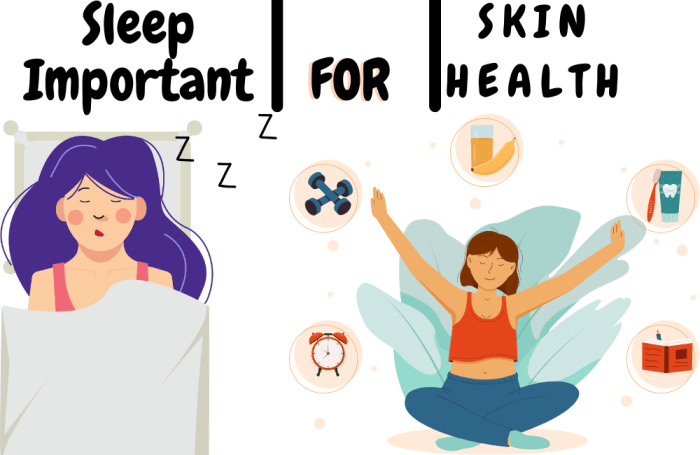
Importance of sleep for skin health: Enhancing Skin Wellness through Quality Sleep

Importance of sleep for skin health

Importance of Sleep for Skin Health

Sleep plays a crucial role in maintaining the health and appearance of our skin. Lack of quality sleep can have detrimental effects on our skin, leading to various issues that can impact our overall skin health.

Effects of Sleep Deprivation on Skin

Importance of sleep for skin health – When we don’t get enough sleep, our skin is unable to repair and regenerate properly, leading to a dull complexion, dark under-eye circles, and increased inflammation. Lack of sleep can also weaken the skin’s natural barrier, making it more prone to dryness and irritation.

Additionally, sleep deprivation can exacerbate existing skin conditions such as acne, eczema, and psoriasis, as the body’s inflammatory response is heightened when we are sleep deprived.

Benefits of Good Quality Sleep for Skin Rejuvenation

On the other hand, getting adequate and quality sleep allows our skin to undergo repair and renewal processes. During deep sleep stages, the body produces collagen, a protein essential for maintaining skin elasticity and firmness, leading to a more youthful appearance.

Quality sleep also helps regulate the body’s hydration levels, preventing skin dryness and promoting a healthy glow. Adequate rest allows the skin to recover from daily stressors, such as UV exposure and pollution, contributing to a healthier complexion.

Impact of Sleep Deprivation on Skin Aging

Chronic sleep deprivation accelerates the aging process of the skin, leading to the formation of fine lines, wrinkles, and sagging skin. The lack of sleep disrupts the body’s circadian rhythm, affecting the production of growth hormones that are essential for skin repair and regeneration.

Moreover, prolonged sleep deprivation can increase the levels of cortisol, a stress hormone that breaks down collagen and elastin in the skin, resulting in premature aging signs.

Healthy Snacks

Eating nutritious snacks plays a vital role in maintaining healthy skin. By choosing the right snacks, you can help improve your skin complexion and promote overall skin health.

Nutritious Snack Options for Skin Health

  • Almonds: Rich in vitamin E and antioxidants, almonds help protect the skin from damage caused by harmful free radicals.
  • Greek Yogurt: Packed with protein and probiotics, Greek yogurt promotes skin hydration and can reduce inflammation.
  • Carrots: Carrots are high in beta-carotene, which converts to vitamin A in the body and helps repair skin tissues.
  • Berries: Blueberries, strawberries, and raspberries are loaded with antioxidants that combat aging and improve skin elasticity.

Importance of Snacking on Fruits and Vegetables

Snacking on fruits and vegetables is essential for skin nourishment as they are packed with vitamins, minerals, and antioxidants that support skin health.

Homemade Healthy Snack Recipes for Skin

Avocado Toast Spread mashed avocado on whole grain toast and top with cherry tomatoes and a sprinkle of chia seeds for a snack rich in healthy fats and skin-loving nutrients.
Green Smoothie Blend spinach, kale, banana, and almond milk for a refreshing smoothie that provides a boost of vitamins A, C, and E for radiant skin.
Cucumber Hummus Bites Slice cucumbers and top with hummus, cherry tomatoes, and a drizzle of olive oil for a crunchy and hydrating snack that benefits the skin.

Wellness Programs

Wellness programs play a crucial role in enhancing overall skin health by promoting healthy lifestyle habits that benefit the skin.

Role of Stress Management

  • Stress management is a key component of skin wellness programs as high stress levels can lead to skin issues such as acne, eczema, and premature aging.
  • Practicing relaxation techniques like meditation, yoga, or deep breathing can help reduce stress levels and improve skin health.
  • Reducing stress can also help regulate hormone levels, which in turn can prevent breakouts and other skin problems.

Incorporating Skincare Routines

  • Incorporating skincare routines into wellness programs can benefit the skin by promoting proper cleansing, moisturizing, and protection from environmental factors.
  • Encouraging participants to establish a consistent skincare routine can help maintain skin health and prevent issues like dryness, irritation, and breakouts.
  • Providing education on the importance of sunscreen use and regular skin checks can also help prevent skin cancer and other serious skin conditions.

Examples of Successful Wellness Programs

  • The “Skin Health Program” offered by a leading spa chain includes personalized skincare consultations, treatments, and follow-up appointments to address individual skin concerns.
  • A corporate wellness program that incorporates stress management workshops, skincare education sessions, and healthy lifestyle challenges has been successful in improving employee skin health and overall well-being.
  • A community wellness initiative focused on promoting mindfulness, healthy eating, and skincare practices has led to a decrease in skin issues and an increase in overall skin radiance among participants.

Physical Therapy

Physical therapy plays a crucial role in improving skin health by promoting blood circulation, reducing inflammation, and enhancing overall mobility. This holistic approach can have a positive impact on various skin conditions, such as eczema or psoriasis.

Benefits of Physical Therapy for Skin Health

  • Increased blood flow: Physical therapy exercises can help improve blood circulation, delivering essential nutrients and oxygen to the skin cells, resulting in a healthier complexion.
  • Reduced inflammation: Certain physical therapy techniques can help reduce inflammation in the body, which can alleviate symptoms of skin conditions like eczema and psoriasis.
  • Stress reduction: Stress can exacerbate skin conditions, and physical therapy can help manage stress levels through relaxation techniques, ultimately benefiting skin health.

Exercises to Promote Blood Circulation for Better Skin Health

  • Cardiovascular exercises: Activities like jogging, cycling, or swimming can improve blood flow and contribute to a radiant complexion.
  • Stretching routines: Incorporating stretching exercises can help relax muscles and increase circulation, promoting skin health.
  • Deep breathing exercises: Practices like diaphragmatic breathing can enhance oxygen intake and support overall skin vitality.

Incorporating Physical Therapy into Skincare Routines

  • Consult a physical therapist: Seek guidance from a professional to create a personalized exercise plan that caters to your specific skin health needs.
  • Consistency is key: Incorporate physical therapy exercises regularly into your skincare routine to experience long-term benefits for your skin.
  • Combine with skincare products: Pair physical therapy with skincare products that are suitable for your skin type to maximize the results.

Health Coaching

Health coaching plays a crucial role in supporting individuals to achieve better skin health by providing personalized guidance and support in adopting healthier lifestyle habits.

Role of Health Coaching in Skin Improvement

Health coaching focuses on creating personalized wellness plans that address specific skin concerns, such as acne, eczema, or premature aging. These plans often include recommendations for proper nutrition, hydration, stress management, and skincare routines tailored to individual needs.

  • Health coaches help individuals identify triggers that may be contributing to skin issues, such as poor diet, lack of sleep, or high stress levels.
  • They provide education on the importance of maintaining a healthy lifestyle to promote skin regeneration, collagen production, and overall skin health.
  • Health coaches offer ongoing support and accountability to help individuals stay motivated and committed to their skin improvement goals.

Success Stories

“I struggled with acne for years and tried countless products without success. With the help of a health coach, I learned how to balance my hormones through diet and lifestyle changes, and my skin has never looked better.”

“After experiencing severe eczema flare-ups, I turned to a health coach for guidance. Through a personalized wellness plan focusing on stress reduction and inflammation control, my skin has shown remarkable improvement.”

Choosing a Qualified Health Coach

When selecting a health coach for skin concerns, it’s essential to look for certifications, experience in dermatology or skincare, and a holistic approach to wellness. Additionally, consider the coach’s communication style, availability for follow-ups, and success stories from previous clients with similar skin issues.

Medical Advancements

In recent years, there have been significant advancements in skincare treatments driven by medical innovations and technological breakthroughs. These advancements have revolutionized the skincare industry, offering new and effective solutions for various skin issues.

Innovative Procedures

  • One of the groundbreaking procedures is laser therapy, which can target specific skin concerns such as acne scars, sun damage, and age spots.
  • Another innovative treatment is microneedling, a minimally invasive procedure that stimulates collagen production and improves skin texture.
  • Advanced injectables like dermal fillers and neurotoxins are also popular for addressing wrinkles, fine lines, and volume loss.

Future of Medical Advancements

  • With the continuous evolution of technology, we can expect more personalized skincare treatments tailored to individual needs and skin conditions.
  • Non-invasive procedures utilizing artificial intelligence and robotics are likely to become more prominent, offering precise and efficient solutions for skin rejuvenation.
  • Gene therapy and stem cell research hold promise for regenerative skincare treatments that could revolutionize anti-aging strategies.

Fitness Goals

Regular exercise plays a crucial role in maintaining overall health, including skin health. Physical activity can benefit the skin in various ways, promoting radiance, tone, and texture. By incorporating workout routines that specifically target skin wellness, individuals can achieve their fitness goals while enhancing the appearance and health of their skin.

Benefits of Exercise for Skin Health

Regular exercise improves blood circulation, delivering oxygen and nutrients to the skin cells. This boost in circulation helps to nourish the skin and flush out toxins, resulting in a more radiant complexion. Additionally, exercise promotes the production of collagen, a protein that helps maintain skin elasticity and firmness, reducing the signs of aging.

Workout Routines for Skin Wellness

  • Incorporate cardio exercises like running or cycling to increase blood flow and oxygen delivery to the skin.
  • Add strength training exercises such as weightlifting to promote collagen production and skin firmness.
  • Include yoga or Pilates in your routine to reduce stress levels, which can contribute to skin issues like acne and eczema.

Setting Fitness Goals for Skin Wellness

  • Set specific and achievable fitness goals that prioritize skin health, such as improving skin tone or reducing acne breakouts.
  • Track your progress by monitoring changes in your skin’s appearance and texture as you work towards your fitness goals.
  • Stay consistent with your workout routine and make adjustments as needed to ensure continuous improvement in skin health.

Balanced Nutrition

Ensuring a balanced diet plays a crucial role in maintaining optimal skin health. The nutrients we consume have a direct impact on the nourishment, elasticity, and hydration of our skin.

Impact of Vitamins and Antioxidants

Vitamins and antioxidants are essential for promoting skin health. They help protect the skin from damage, promote collagen production, and maintain a youthful appearance.

  • Vitamin C: Known for its brightening and antioxidant properties, Vitamin C helps in reducing hyperpigmentation and promoting collagen synthesis.
  • Vitamin E: This vitamin is a powerful antioxidant that protects the skin from free radicals and helps in maintaining skin elasticity.
  • Antioxidants: Found in foods like berries, nuts, and green leafy vegetables, antioxidants help in fighting oxidative stress and improving skin texture.

Foods for Skin Elasticity and Hydration

Opt for foods that are rich in vitamins, minerals, and antioxidants to promote skin elasticity and hydration.

  • Fatty Fish: Salmon, mackerel, and sardines are excellent sources of omega-3 fatty acids that help in maintaining skin hydration and reducing inflammation.
  • Avocados: Packed with healthy fats and vitamins E and C, avocados support skin health by improving elasticity and reducing skin damage.
  • Sweet Potatoes: Loaded with beta-carotene, sweet potatoes help in protecting the skin from sun damage and promoting a healthy glow.

Sample Meal Plan for Optimal Skin Health

Here’s a sample meal plan to achieve optimal skin health through balanced nutrition:

Meal Food
Breakfast Greek yogurt with berries and almonds
Lunch Grilled salmon with quinoa and steamed broccoli
Snack Carrot sticks with hummus
Dinner Grilled chicken with sweet potato and spinach salad

Mental Strength

Maintaining mental strength is crucial for overall skin wellness. The connection between mental health and skin conditions is well-documented, with stress and anxiety playing a significant role in affecting skin health. By understanding the impact of mental well-being on skin clarity, individuals can implement mindfulness techniques to improve their overall skin wellness.

Effects of Stress and Anxiety on Skin Health

  • Stress and anxiety can trigger inflammatory responses in the body, leading to skin issues such as acne, eczema, and psoriasis.
  • Cortisol, known as the stress hormone, can disrupt the skin’s natural balance, resulting in increased oil production and breakouts.
  • Prolonged periods of stress can accelerate the aging process, causing wrinkles, fine lines, and dullness in the skin.

Mindfulness Techniques for Skin Clarity

  • Practice deep breathing exercises to reduce stress levels and promote relaxation, which can help improve skin tone and texture.
  • Engage in regular physical activity to boost endorphins and enhance mood, reducing the impact of stress on skin health.
  • Adopt a skincare routine as a form of self-care, establishing a calming ritual that can contribute to mental well-being and skin clarity.

Tips for Maintaining Mental Strength

  • Get an adequate amount of sleep to support overall mental and physical health, as lack of sleep can exacerbate stress and impact skin health.
  • Seek professional help if experiencing chronic stress or anxiety, as addressing underlying mental health issues is essential for skin wellness.
  • Incorporate stress-relief activities such as meditation, yoga, or spending time in nature to promote relaxation and mental strength.

Yoga Practice

Regular yoga practice can offer numerous benefits for skin health, thanks to its ability to reduce stress levels, improve circulation, and promote overall well-being. In addition to its mental and physical benefits, specific yoga poses can also play a role in enhancing skin health by increasing blood flow and promoting a healthy complexion.

Benefits of Yoga for Skin Health

  • Reduces stress levels: Yoga helps in lowering stress hormones, which can contribute to various skin issues like acne and premature aging.
  • Improves circulation: Certain yoga poses encourage blood flow to the skin, providing essential nutrients and oxygen for a healthy complexion.
  • Promotes relaxation: Relaxing yoga practices can help in improving sleep quality, which is crucial for skin repair and rejuvenation.

Yoga Poses for Better Skin Elasticity

  • Child’s Pose (Balasana): This gentle stretch can help in increasing blood flow to the face and reducing tension in the body, promoting skin elasticity.
  • Downward-Facing Dog (Adho Mukha Svanasana): This pose can improve circulation and blood flow to the face, giving a natural glow to the skin.
  • Camel Pose (Ustrasana): By stretching the chest and neck, this pose can stimulate blood flow to the face and improve skin elasticity.

Incorporating Yoga into Skincare Regimen

  • Set aside time: Dedicate a few minutes each day to practice yoga, whether in the morning or before bedtime, to reap the benefits for your skin.
  • Combine with skincare routine: Pair your yoga practice with a consistent skincare regimen to enhance the overall health and appearance of your skin.
  • Stay hydrated: Drink plenty of water before and after yoga sessions to keep your skin hydrated and improve its elasticity.

Health Education

Education plays a vital role in helping individuals understand the importance of skin health and how to properly care for their skin. By spreading awareness and providing valuable information, we can prevent common skin issues and promote overall well-being.

Importance of Educating Individuals on Skin Health

When it comes to skin health, knowledge is key. Educating individuals on the importance of proper skincare routines, sun protection, and the impact of lifestyle choices on skin can help them make informed decisions and take better care of their skin.

Role of Health Education in Preventing Common Skin Issues

Health education empowers individuals to identify early signs of skin problems, understand the causes of common skin issues like acne, eczema, or premature aging, and take preventive measures to maintain healthy skin. By promoting good skincare habits, we can reduce the likelihood of skin conditions developing.

Resources for Learning about Skincare Ingredients and Benefits

  • Online skincare forums and websites provide valuable information on skincare ingredients, their benefits, and how they can address specific skin concerns.
  • Consulting dermatologists or skincare professionals can help individuals understand their skin type, recommend suitable products, and educate them on ingredient labels.
  • Books, articles, and reputable skincare brands often offer detailed explanations of ingredients, their functions, and how they contribute to healthy skin.

Tips for Spreading Awareness about Skin Health Education, Importance of sleep for skin health

  • Organize skincare workshops or seminars in communities to educate individuals on the basics of skincare and the importance of a consistent routine.
  • Utilize social media platforms to share skincare tips, product recommendations, and debunk common skincare myths to reach a wider audience.
  • Collaborate with skincare influencers, dermatologists, or beauty experts to create informative content and engage with followers on the significance of skin health education.

Weight Management

Maintaining a healthy weight is crucial for overall well-being, including skin health. Weight fluctuations can have a significant impact on the skin, leading to various conditions such as stretch marks, sagging skin, and acne. By implementing effective weight management strategies, you can achieve glowing and radiant skin.

Impact of Weight on Skin Health

  • Excess weight can put pressure on the skin, leading to stretch marks and cellulite.
  • Rapid weight loss or gain can cause the skin to lose its elasticity, resulting in sagging.
  • Imbalanced diet due to weight fluctuations can trigger acne and other skin issues.

Weight Management Strategies for Healthy Skin

  • Adopt a balanced diet rich in fruits, vegetables, lean proteins, and whole grains.
  • Incorporate regular exercise into your routine to maintain a healthy weight and improve skin circulation.
  • Stay hydrated by drinking an adequate amount of water daily to keep your skin hydrated and glowing.
  • Avoid crash diets or extreme weight loss methods that can harm your skin’s health.

Incorporating Weight Management into Skincare Routine

  • Choose skincare products that are suitable for your skin type and address specific concerns related to weight fluctuations.
  • Include facial massages or lymphatic drainage techniques to improve skin firmness and elasticity.
  • Practice stress-relieving activities like yoga or meditation to manage weight-related stress that can impact skin health.

Health Checkups

Regular health checkups are essential for maintaining overall well-being, including skin health. These routine visits allow healthcare professionals to detect any potential issues early on and provide necessary interventions to prevent complications.

Importance of Dermatological Screenings

Dermatological screenings play a crucial role in identifying skin conditions such as skin cancer, eczema, or psoriasis at their earliest stages. This early detection can significantly improve treatment outcomes and overall prognosis.

  • Regular skin checkups can help identify suspicious moles or lesions that may require further evaluation.
  • Early detection of skin issues can lead to prompt treatment and better management of skin conditions.
  • Skin screenings can also help assess the overall health of your skin and provide recommendations for skincare routines.

Recommended Frequency for Skin Checkups

It is generally recommended to have a full-body skin examination by a dermatologist at least once a year. However, individuals with a family history of skin cancer or other risk factors may need more frequent screenings. Consult with your healthcare provider to determine the appropriate schedule for your skin health checkups.

Tips for Scheduling and Preparing for Health Checkups

1. Keep track of any changes in your skin, such as new moles, rashes, or lesions, and inform your healthcare provider during the checkup.

2. Wear minimal makeup or nail polish to allow for a more thorough examination of your skin.

3. Prepare a list of questions or concerns you may have about your skin health to discuss with your dermatologist.

Skin Health

Importance of sleep for skin health
Maintaining healthy skin is crucial for overall well-being and confidence. A good skincare routine, along with protection from environmental factors, plays a significant role in promoting skin health.

Key Factors for Skin Health

Healthy skin is influenced by various factors, including:

  • Adequate hydration to keep the skin moisturized and supple.
  • Proper nutrition that includes vitamins and minerals essential for skin health.
  • Sufficient sleep to allow the skin to repair and regenerate during the night.
  • Regular exercise to improve blood circulation and promote a healthy complexion.
  • Effective stress management to prevent skin issues caused by stress hormones.

Importance of a Consistent Skincare Routine

A consistent skincare routine helps in keeping the skin clean, hydrated, and protected. It involves cleansing, exfoliating, moisturizing, and applying sunscreen regularly to maintain healthy skin.

Tips for Protecting Skin from Environmental Factors

Protect your skin from harmful environmental factors by:

  • Using sunscreen with at least SPF 30 daily, even on cloudy days.
  • Avoiding prolonged exposure to the sun and seeking shade when necessary.
  • Wearing protective clothing, hats, and sunglasses to shield the skin from UV rays.
  • Maintaining a healthy diet rich in antioxidants to combat free radical damage.

Recommendations for Skincare Products

Choose skincare products that are suitable for your skin type and address specific concerns. Look for products with ingredients like:

  • Hydrating hyaluronic acid for moisture retention.
  • Antioxidants like vitamin C to protect against environmental damage.
  • Retinol for anti-aging benefits and skin renewal.
  • Gentle cleansers and non-comedogenic moisturizers for daily use.

Emotional Health

Emotional well-being plays a crucial role in maintaining healthy skin. The link between emotions and skin conditions like acne or eczema is well-established. Stress, anxiety, and other negative emotions can trigger inflammation in the body, leading to skin issues.

Impact of Emotions on Skin Health

Emotions have a direct impact on skin health, as stress can worsen existing skin conditions or even trigger new ones. When we experience stress, our body releases cortisol, a hormone that can increase oil production in the skin and lead to breakouts. Additionally, stress weakens the skin’s barrier function, making it more susceptible to irritation and inflammation.

  • Practice stress-reducing activities such as meditation, deep breathing exercises, or yoga to help manage emotional well-being and improve skin health.
  • Engage in regular physical activity to release endorphins, which can help reduce stress levels and promote overall skin wellness.
  • Ensure you get an adequate amount of sleep, as lack of sleep can further exacerbate stress and negatively impact skin health.
  • Seek support from friends, family, or a mental health professional to address underlying emotional issues that may be affecting your skin.

Health Motivation

Maintaining healthy skin requires dedication and motivation. Without a strong drive to stick to skincare routines, it can be challenging to achieve skin health goals. Motivation plays a crucial role in staying consistent with habits that promote healthy skin.

Setting Realistic Expectations

  • Setting realistic expectations is essential for boosting motivation in skincare routines. When individuals have achievable goals, they are more likely to stay motivated and committed to their skincare regimen.
  • Avoiding unrealistic expectations can prevent feelings of disappointment and frustration, leading to a more positive mindset towards skincare practices.
  • By focusing on incremental progress and celebrating small victories, individuals can maintain motivation and stay dedicated to their skin health journey.

Success Stories

  • Many individuals have successfully achieved their skin health goals through consistent motivation and dedication to their skincare routines.
  • By sharing success stories of people who have transformed their skin through perseverance and commitment, others can find inspiration to continue their own journey towards healthy skin.
  • These success stories serve as a reminder that with determination and motivation, achieving skin health is possible for anyone willing to put in the effort.

Tips for Staying Motivated

  • Establish a routine and stick to it to create consistency in skincare habits.
  • Set achievable goals and track progress to stay motivated and see results over time.
  • Find a support system or accountability partner to encourage you on your skin health journey.
  • Reward yourself for reaching milestones in your skincare routine to maintain motivation and positivity.

Physical Activities

Regular physical activities play a vital role in maintaining overall health, including skin health. Engaging in exercise can have numerous benefits for your skin, helping to improve its appearance, texture, and overall health.

Impact of Sweating on Skin Detoxification

  • Sweating during physical activities helps to unclog pores and remove toxins from the skin, promoting a clearer complexion.
  • Increased blood flow to the skin during exercise can also help nourish skin cells and improve skin tone.
  • Be sure to cleanse your skin after sweating to prevent any buildup of sweat and bacteria that could lead to breakouts.

Outdoor Activities for Skin Rejuvenation

  • Outdoor activities like hiking, running, or cycling can expose your skin to fresh air and sunlight, promoting skin rejuvenation.
  • Sunlight is a natural source of vitamin D, which can help improve skin conditions like acne and eczema.
  • Remember to wear sunscreen to protect your skin from harmful UV rays while engaging in outdoor activities.

Tips for Incorporating Physical Activities into a Skincare Routine

  • Consider incorporating activities like yoga, Pilates, or dancing into your skincare routine to promote flexibility, strength, and overall well-being.
  • Choose activities that you enjoy to make it easier to stick to a regular routine and stay motivated.
  • Stay hydrated before, during, and after physical activities to keep your skin hydrated and maintain its elasticity.

Health Awareness

Skin health is an essential aspect of overall well-being that often gets overlooked. Raising awareness about skin health is crucial to educate individuals on the importance of taking care of their skin and detecting potential issues early on.

Common Misconceptions Surrounding Skincare

  • Using more skincare products will always result in better skin.
  • Sunscreen is only necessary during sunny days.
  • Natural ingredients are always safe for the skin.

The Importance of Early Detection

Early detection of skin conditions such as skin cancer can significantly impact treatment outcomes and overall skin health. Regular skin checks and prompt medical attention for any abnormalities are key in maintaining healthy skin.

Tips for Promoting Health Awareness about Skin Well-being

  • Encourage regular skin checks and screenings.
  • Provide education on the importance of sun protection.
  • Share information on proper skincare routines for different skin types.
  • Organize community events or workshops focused on skin health.
  • Collaborate with dermatologists and skincare experts for informative sessions.

Preventive Medicine

Preventive medicine plays a crucial role in maintaining skin health by focusing on early detection and intervention to prevent skin issues from worsening.

Protecting Skin from UV Damage

One of the key preventive measures for skin health is protecting the skin from UV damage. Here are some tips to integrate into your skincare regimen:

  • Avoid prolonged sun exposure, especially during peak hours.
  • Apply sunscreen with at least SPF 30 daily, even on cloudy days.
  • Wear protective clothing, such as hats and sunglasses, when outdoors.
  • Seek shade when possible to minimize direct sun exposure.

Protecting Skin from Pollution

Pollution can also harm the skin, leading to premature aging and other skin issues. Here are some preventive measures to protect your skin from pollution:

  • Cleanse your skin thoroughly to remove pollutants and toxins.
  • Use antioxidant-rich skincare products to combat free radicals from pollution.
  • Avoid smoking and exposure to secondhand smoke, which can accelerate skin aging.
  • Consider using a barrier cream or moisturizer to protect the skin from environmental pollutants.

Nutritional Counseling: Importance Of Sleep For Skin Health

Nutritional counseling plays a crucial role in enhancing skin health by focusing on the impact of diet on skin wellness. By following a well-balanced diet tailored to individual needs, one can achieve optimal skin health and improve overall appearance.

Personalized Nutritional Plans for Skin Improvement

  • Consulting with a reputable nutritional counselor can help create personalized meal plans that address specific skin concerns, such as acne, dryness, or aging.
  • These plans may include foods rich in antioxidants, vitamins, and minerals that promote skin regeneration and combat inflammation.
  • Recommendations may also involve hydration strategies to maintain skin elasticity and prevent premature aging.

Tips for Finding a Reputable Nutritional Counselor for Skin Concerns

  • Seek referrals from dermatologists or healthcare providers who specialize in skin health to find a nutritionist knowledgeable about skin-specific dietary needs.
  • Look for certifications and credentials such as Registered Dietitian (RD) or Certified Nutrition Specialist (CNS) to ensure expertise in creating effective nutritional plans.
  • Consider the counselor’s experience in dealing with skin-related issues and their ability to tailor recommendations to individual skin types and conditions.

Healthy Mind

Having a healthy mind is crucial for maintaining healthy skin. The connection between the two goes beyond just physical appearance; mental well-being can significantly impact the overall health of your skin. Positive thinking plays a key role in influencing skin health, as stress and negative emotions can lead to various skin issues such as acne, eczema, or psoriasis.

Mindfulness Practices for Skin Rejuvenation

  • Practice deep breathing exercises to reduce stress levels, which can help prevent skin inflammation and breakouts.
  • Engage in regular meditation sessions to promote relaxation and improve skin elasticity.
  • Use visualization techniques to envision healthy, glowing skin, which can boost self-confidence and overall skin health.

Tips for Cultivating a Healthy Mindset for Skin Well-being

  • Acknowledge and address negative thoughts or emotions that may be affecting your skin health.
  • Surround yourself with positive influences and supportive relationships to maintain a healthy mindset.
  • Practice gratitude daily to shift your focus towards positivity and improve your overall well-being, including your skin health.

User Queries

How does lack of sleep affect skin health?

Lack of sleep can lead to dull skin, dark circles, and increased signs of aging as the skin doesn’t have enough time to repair and regenerate.

Can good quality sleep really improve skin rejuvenation?

Absolutely. Quality sleep allows the skin to repair itself, leading to improved skin texture, reduced wrinkles, and a healthy glow.

What are some tips for better sleep to enhance skin health?

Creating a bedtime routine, ensuring a comfortable sleep environment, and avoiding screens before bed can all contribute to better sleep and healthier skin.
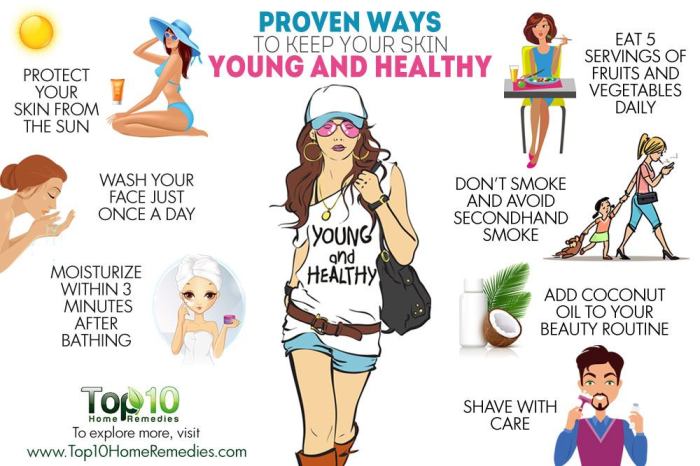
Tips for healthy skin care habits – Maintaining Radiant Skin Naturally

Tips for healthy skin care habits

Tips for Healthy Skin Care Habits

Maintaining healthy skin requires a consistent skincare routine that includes cleansing, moisturizing, and protection from environmental factors. Here is a detailed daily skincare routine to help you achieve glowing and healthy skin:

Daily Skincare Routine:

  • 1. Cleanse your face twice a day using a gentle cleanser to remove dirt, oil, and impurities.
  • 2. Apply a toner to balance the skin’s pH levels and tighten pores.
  • 3. Moisturize your skin with a lightweight, non-comedogenic moisturizer to keep it hydrated.
  • 4. Use a broad-spectrum sunscreen with at least SPF 30 every day to protect your skin from harmful UV rays.
  • 5. Exfoliate your skin 1-2 times a week to remove dead skin cells and reveal a brighter complexion.

Importance of Using Sunscreen:

Using sunscreen daily is crucial for maintaining healthy skin and preventing premature aging. Sunscreen protects the skin from harmful UV rays that can cause sunburn, skin cancer, and wrinkles. Make sure to reapply sunscreen every 2 hours, especially when spending time outdoors.

Benefits of Staying Hydrated:

Staying hydrated is essential for skin hydration and overall health. Drinking an adequate amount of water helps flush out toxins, improve skin elasticity, and maintain a youthful appearance. Hydrated skin looks plump, radiant, and healthy.

Natural Ingredients for Healthy Skin:

  • – Aloe Vera: Soothes and hydrates the skin, reducing inflammation and redness.
  • – Coconut Oil: Moisturizes and nourishes the skin, keeping it soft and supple.
  • – Green Tea: Contains antioxidants that protect the skin from damage and reduce signs of aging.
  • – Honey: Has antibacterial properties that help with acne and promote healing.

Healthy Snacks

Tips for healthy skin care habits – When it comes to promoting skin health, your diet plays a crucial role. Consuming nutritious snacks can have a positive impact on your skin quality, providing essential nutrients that support its health and appearance.

Nutritious Snack Options for Skin Health

Here are some nutritious snack options that can promote skin health:

  • Walnuts: Rich in omega-3 fatty acids that help maintain skin elasticity.
  • Blueberries: Packed with antioxidants that protect the skin from damage.
  • Carrot sticks with hummus: Carrots are high in beta carotene, which can improve skin tone.

Impact of Diet on Skin and Homemade Snack Recipes

Your diet can significantly impact your skin’s health. By incorporating healthy snacks into your daily routine, you can improve your skin quality. Here are some simple recipes for homemade healthy snacks:

  • Avocado toast: Spread mashed avocado on whole-grain toast for a dose of healthy fats.
  • Greek yogurt with berries: Mix Greek yogurt with fresh berries for a protein-packed snack.
  • Kale chips: Toss kale leaves with olive oil and bake until crispy for a nutritious snack option.

Antioxidant-Rich Snacks for Skin Health

Snacks high in antioxidants can benefit skin health by fighting free radicals and reducing inflammation. Consider incorporating the following antioxidant-rich snacks into your diet:

  • Dark chocolate: Contains antioxidants that can improve blood flow to the skin.
  • Green tea: Rich in catechins that help protect the skin from UV damage.
  • Almonds: Packed with vitamin E, an antioxidant that nourishes and protects the skin.

Wellness Programs

Wellness programs are designed to promote overall health and well-being, including skin health. These programs typically encompass various components aimed at improving physical, mental, and emotional wellness.

Components of a Comprehensive Wellness Program

  • Regular exercise routines to boost circulation and promote cell regeneration.
  • Healthy eating habits with a focus on nutrient-dense foods that support skin health.
  • Stress management techniques such as meditation, yoga, or mindfulness practices.
  • Adequate sleep to allow the body to repair and rejuvenate skin cells.
  • Skincare routines tailored to individual skin types and concerns.

Comparison of Different Wellness Programs

  • Traditional wellness programs may focus on physical fitness and nutrition, while holistic programs also address mental and emotional well-being.
  • Some programs may incorporate alternative therapies like acupuncture or aromatherapy for skin health benefits.
  • Corporate wellness programs often offer incentives for employees to engage in healthy behaviors that can positively impact skin health.

Importance of Stress Management in Wellness Programs

Stress management plays a crucial role in wellness programs as chronic stress can lead to skin issues like acne, eczema, or premature aging. By incorporating stress-reducing activities, individuals can maintain healthier skin and overall well-being.

Success Stories of Individuals Benefiting from Wellness Programs

  • Emily, a working professional, saw a significant improvement in her skin after joining a wellness program that included yoga and a balanced diet.
  • David, a college student struggling with acne, found relief through a wellness program that focused on stress reduction techniques and skincare education.
  • Jennifer, a busy mom, noticed a positive change in her skin tone and texture after incorporating mindfulness practices into her daily routine through a wellness program.

Physical Therapy

Physical therapy plays a crucial role in improving skin health by promoting increased circulation and mobility throughout the body. These benefits can lead to healthier skin overall, as well as help manage specific skin conditions like eczema or psoriasis. Here are some tips on how to incorporate physical therapy exercises into your skincare routine and some inspiring testimonials from individuals who have experienced improvements in their skin through physical therapy.

Benefits of Physical Therapy for Skin Health

  • Increased circulation: Physical therapy exercises help improve blood flow, delivering essential nutrients and oxygen to the skin cells, promoting a healthy complexion.
  • Enhanced mobility: Regular physical therapy can improve joint flexibility and range of motion, preventing skin issues caused by immobility or stiffness.
  • Stress reduction: Physical therapy techniques can help reduce stress levels, which can have a positive impact on skin conditions like acne or eczema.

Managing Skin Conditions with Physical Therapy

  • Eczema: Gentle stretching exercises and massages can help soothe irritated skin and reduce inflammation associated with eczema flare-ups.
  • Psoriasis: Physical therapy techniques like hydrotherapy or gentle movements can help alleviate discomfort and improve skin texture for individuals with psoriasis.

Incorporating Physical Therapy into Your Skincare Routine

  • Consult a physical therapist: Work with a professional to create a customized exercise plan that targets your specific skin concerns and overall well-being.
  • Consistency is key: Incorporate physical therapy exercises into your daily routine to see lasting improvements in your skin health.
  • Combine with other skincare practices: Physical therapy can complement your existing skincare routine, enhancing the overall effectiveness of your regimen.

Testimonials

“After incorporating physical therapy exercises into my daily routine, I noticed a significant improvement in my skin’s texture and overall appearance. The increased circulation and reduced stress levels have made a noticeable difference.” – Sarah

“Physical therapy has been a game-changer for managing my eczema. The gentle movements and stretching exercises have helped calm my skin and reduce the frequency of flare-ups. I highly recommend it to anyone struggling with skin conditions.” – Mike

Health Coaching

Working with a health coach can have numerous benefits when it comes to improving overall health, including skin health. Health coaches provide personalized guidance and support to help individuals develop and maintain healthy habits that can positively impact their skin.

Customized Health Coaching Plans for Skincare Habits

Health coaches can create customized plans that specifically focus on skincare habits. These plans may include recommendations for proper skincare routines, diet changes to promote healthy skin, and stress management techniques to reduce skin issues related to stress.

Motivation and Accountability

One of the key roles of a health coach is to provide motivation and accountability for maintaining healthy skin habits. They can offer encouragement, track progress, and make adjustments to the plan as needed to ensure that individuals stay on track with their skincare goals.

Finding a Reputable Health Coach

When looking for a health coach to help with skin health goals, it’s important to do some research. Look for a coach who is certified, experienced in working with skin health issues, and has positive reviews from clients. It’s also essential to find someone who you feel comfortable with and who understands your specific needs and goals.

Medical Advancements

Medical advancements in skincare treatments and technologies have significantly transformed the way skin conditions are addressed. These breakthroughs have provided new hope and solutions for individuals struggling with various skin issues. Staying informed about these advancements is crucial for anyone looking to improve their skin health and overall well-being.

Latest Innovations in Skincare Treatments

  • Introduction of laser therapies for targeted treatment of skin concerns.
  • Development of advanced topical creams and serums with innovative ingredients.
  • Use of microneedling and radiofrequency technologies for skin rejuvenation.

Revolutionizing Skin Condition Treatments

  • Medical advancements have led to more precise and effective treatments for conditions like acne, eczema, and psoriasis.
  • New techniques such as photodynamic therapy have shown promising results in treating skin cancer.
  • Personalized skincare approaches based on genetic testing have improved outcomes for individuals with complex skin issues.

Success Stories with Cutting-Edge Treatments

  • Case studies of individuals who have experienced remarkable improvements in their skin health after undergoing innovative treatments.
  • Testimonials from patients who have regained their confidence and quality of life thanks to advanced skincare solutions.
  • Real-life examples of how medical advancements have made a positive impact on skin conditions and overall well-being.

Importance of Staying Informed

  • Being aware of the latest medical advancements allows individuals to make informed decisions about their skincare routines and treatments.
  • Access to cutting-edge technologies can help individuals achieve better results in managing their skin concerns.
  • Regular updates on medical advancements ensure that individuals are aware of all available options for improving their skin health.

Fitness Goals

Regular exercise plays a crucial role in maintaining healthy skin. Not only does it improve circulation, but it also helps reduce stress levels and promote better sleep, all of which contribute to a glowing complexion.

Impact of Regular Exercise on Skin Health

Regular exercise can positively impact skin health by increasing blood flow, which helps nourish skin cells and keep them healthy. It also promotes the production of collagen, which helps keep the skin firm and supple. Additionally, exercise can help reduce inflammation and oxidative stress, which are known to contribute to skin aging.

  • Make sure to include a mix of cardio, strength training, and flexibility exercises in your fitness routine to maximize the benefits for your skin.
  • Stay hydrated before, during, and after your workouts to keep your skin hydrated and healthy.
  • Don’t forget to cleanse your skin post-exercise to remove sweat and impurities that can clog pores and lead to breakouts.

Setting Fitness Goals for Healthy Skin

When setting fitness goals, consider incorporating activities that benefit your skin health along with your overall well-being. Setting realistic and achievable goals will not only improve your fitness level but also contribute to healthier and more radiant skin.

  • Set specific goals such as exercising for a certain number of days per week or increasing the duration or intensity of your workouts gradually.
  • Focus on activities that you enjoy to stay motivated and consistent with your fitness routine.
  • Track your progress to stay accountable and celebrate your achievements along the way.

Workout Routines for Skin Health

Certain workout routines are particularly beneficial for skin health as they help improve blood circulation, reduce stress, and promote overall well-being. Incorporating these exercises into your fitness regimen can help you achieve glowing and healthy skin.

  • Yoga: Practicing yoga can help reduce stress levels, improve flexibility, and promote relaxation, all of which benefit skin health.
  • Cardiovascular exercises: Activities like running, cycling, or dancing can boost blood flow and oxygen delivery to the skin, promoting a healthy complexion.
  • Strength training: Building muscle through strength training exercises can help improve skin firmness and reduce the appearance of cellulite.

Balanced Nutrition

Maintaining healthy skin goes beyond just skincare products. Balanced nutrition plays a crucial role in ensuring your skin stays healthy and glowing. By incorporating a variety of vitamins, minerals, and nutrients into your diet, you can support your skin health from the inside out.

Impact of Vitamins and Minerals on Skin Health

Vitamins and minerals are essential for maintaining healthy skin. For example, Vitamin C is known for its antioxidant properties, which can help protect the skin from free radical damage. Vitamin E is another important nutrient that can help nourish and moisturize the skin. Minerals like zinc and selenium also play a role in promoting skin health by supporting collagen production and reducing inflammation.

Foods Essential for Healthy Skin

– Fatty fish such as salmon, mackerel, and sardines are rich in omega-3 fatty acids, which can help keep the skin hydrated and supple.
– Colorful fruits and vegetables like berries, oranges, and spinach are packed with antioxidants that can protect the skin from damage.
– Nuts and seeds like almonds and sunflower seeds are great sources of Vitamin E, which can help improve skin texture and tone.
– Whole grains like quinoa and brown rice provide essential nutrients like zinc and selenium that are beneficial for skin health.

Meal Planning Tips for Balanced Nutrition

When planning your meals for skin health, aim to include a variety of nutrient-dense foods. Try to incorporate a rainbow of fruits and vegetables to ensure you’re getting a wide range of vitamins and minerals. Additionally, include lean proteins, healthy fats, and whole grains to create well-rounded meals that support your skin from within. Don’t forget to stay hydrated by drinking plenty of water throughout the day to keep your skin looking and feeling its best.

Mental Strength

When it comes to skin health, mental strength plays a crucial role in maintaining a clear and glowing complexion. The link between mental health and skin health is undeniable, as stress and anxiety can trigger various skin conditions such as acne, eczema, and psoriasis.

Mindfulness Techniques for Skin Health, Tips for healthy skin care habits

Practicing mindfulness techniques can significantly improve skin conditions related to stress. By incorporating activities like deep breathing exercises, meditation, and yoga into your daily routine, you can reduce stress levels and promote healthier skin.

Impact of Mental Strength on Overall Health

Building mental strength not only benefits your psychological well-being but also positively impacts your overall health, including skin health. By managing stress effectively and cultivating a positive mindset, you can enhance your immune system and reduce inflammation, leading to clearer and more radiant skin.

Mental Exercises for Healthy Skin

  • Positive Affirmations: Start your day with affirmations that promote self-love and confidence, which can boost your mood and reduce stress levels.
  • Gratitude Journaling: Keeping a gratitude journal can help shift your focus from negative thoughts to positive aspects of your life, reducing stress and improving skin health.
  • Visualization Techniques: Visualize yourself with healthy, glowing skin to manifest positive outcomes and reinforce a healthy mindset.
  • Creative Expression: Engaging in creative activities such as painting, writing, or playing music can act as a form of therapy, reducing stress and promoting skin healing.

Yoga Practice

Yoga is not only beneficial for your physical health but can also work wonders for your skin. The practice of yoga can help improve circulation, reduce stress levels, and promote a radiant complexion.

Benefits of Yoga for Skin Health

  • Improved circulation: Yoga helps increase blood flow to the skin, delivering essential nutrients and oxygen to keep it healthy and glowing.
  • Stress reduction: By practicing yoga, you can lower stress levels and prevent the release of cortisol, a hormone that can lead to skin issues like acne and inflammation.

Specific Yoga Poses for Healthy Skin

  • Child’s Pose (Balasana): This pose helps increase circulation to the face and brings a sense of calm, reducing stress that can contribute to skin problems.
  • Downward-Facing Dog (Adho Mukha Svanasana): By invigorating the blood flow to the face, this pose can help improve skin tone and complexion.

Yoga for a Radiant Complexion

Regular yoga practice can help detoxify the skin by promoting sweating and flushing out toxins, leading to a clearer and brighter complexion.

Incorporating Yoga into Skincare Routine

  • Start your day with a gentle yoga routine to awaken your body and mind, setting a positive tone for the day ahead.
  • Pair your skincare routine with yoga poses that promote relaxation and stress reduction, such as meditation or deep breathing exercises.

Health Education

Tips for healthy skin care habits

Health education plays a crucial role in promoting healthy skincare habits by providing individuals with the necessary knowledge and skills to take care of their skin effectively.

Importance of Health Education in Skincare

  • Health education helps individuals understand the importance of maintaining a skincare routine to prevent common skin issues such as acne, dryness, and premature aging.
  • By educating people about the benefits of using sunscreen, moisturizing, and eating a balanced diet, health education can significantly reduce the risk of skin problems.
  • It empowers individuals to make informed decisions about their skincare products and practices, leading to healthier and glowing skin in the long run.

Role of Health Education in Preventing Skin Issues

  • Health education raises awareness about the harmful effects of sun exposure, smoking, and poor nutrition on the skin, encouraging people to adopt healthier lifestyle choices.
  • By teaching proper cleansing techniques, hydration methods, and stress management strategies, health education plays a vital role in preventing skin conditions like eczema, psoriasis, and dermatitis.

Resources for Staying Informed

  • Follow reputable skincare blogs, websites, and social media accounts that provide evidence-based information on skincare best practices and new research findings.
  • Attend skincare workshops, seminars, and webinars conducted by dermatologists, estheticians, and skincare experts to stay updated on the latest health education related to skincare.
  • Consult with healthcare professionals or skincare specialists for personalized recommendations and guidance on maintaining healthy skin.

Tips for Educating Others

  • Lead by example by showcasing your own healthy skincare habits and explaining the benefits to friends, family, and colleagues.
  • Share informative articles, videos, and infographics about skincare tips and tricks on social media platforms to reach a wider audience and spread awareness.
  • Encourage open discussions about skincare concerns and solutions in group settings or online forums to create a supportive community focused on skin health.

Weight Management

Maintaining a healthy weight is crucial for overall well-being, including skin health. Excess weight can lead to various skin issues such as acne, inflammation, and premature aging. By focusing on weight management, you can improve the health and appearance of your skin.

Tips for Achieving Weight Management Goals for Skin Health

  • Follow a balanced diet rich in fruits, vegetables, lean proteins, and whole grains. Avoid excessive consumption of processed foods and sugary snacks.
  • Stay hydrated by drinking plenty of water throughout the day to keep your skin hydrated and healthy.
  • Engage in regular physical activity to help maintain a healthy weight and promote circulation, which benefits skin health.
  • Get an adequate amount of sleep as poor sleep can disrupt hormone levels and contribute to weight gain and skin issues.
  • Manage stress through relaxation techniques like meditation or yoga, as stress can lead to weight gain and exacerbate skin conditions.

Connection Between Weight Management and Skin Conditions

Maintaining a healthy weight can help regulate hormone levels, reduce inflammation, and improve blood circulation, all of which are essential for healthy skin. Weight management plays a significant role in preventing and managing skin conditions like acne, eczema, and psoriasis.

Examples of Weight Management Strategies for Improving Skin Health

Weight Management Strategy Skin Health Benefit
Eating a balanced diet Provides essential nutrients for skin repair and regeneration.
Regular exercise Promotes circulation and reduces inflammation, leading to clearer skin.
Stress management Reduces the likelihood of stress-induced skin issues like acne breakouts.
Adequate hydration Keeps skin moisturized and helps flush out toxins, improving skin health.

Health Checkups

Regular health checkups play a crucial role in monitoring skin health and detecting any potential issues early on. This proactive approach can prevent minor skin conditions from developing into more severe problems.

Importance of Regular Health Checkups for Skin Health

Regular health checkups with a dermatologist or primary care physician are essential for maintaining healthy skin. These checkups can help identify any skin abnormalities, changes, or early signs of skin conditions that may require treatment. Early detection through these checkups can significantly impact the effectiveness of treatment and prevent complications.

Key Health Checkups for Healthy Skin

  • Skin cancer screening: Regular screenings can help detect skin cancer early.
  • Mole mapping: Monitoring changes in moles can aid in early detection of skin cancer.
  • Acne evaluation: Addressing acne concerns can prevent scarring and improve skin health.
  • Psoriasis assessment: Monitoring psoriasis can help manage flare-ups and prevent skin damage.

Tips for Scheduling Health Checkups

  • Set reminders: Use calendars or apps to schedule regular checkups.
  • Prioritize skin health: Make skin health a priority by scheduling annual skin exams.
  • Communicate with your healthcare provider: Discuss any concerns or changes in your skin during checkups.

Skin Health

Having healthy skin is crucial for overall well-being. Proper skincare habits can help address common skin issues and maintain skin health effectively.

It is essential to identify your skin type to choose suitable products that cater to your specific needs. Lifestyle factors such as diet, stress levels, and environmental exposure can significantly impact skin health, so it’s important to take steps to mitigate any negative effects.

Common Skin Issues and Solutions

  • Acne: Maintaining a consistent skincare routine, avoiding harsh products, and keeping your skin clean can help manage acne effectively.
  • Dry Skin: Hydrating your skin with moisturizers, staying hydrated, and using gentle cleansers can alleviate dryness.
  • Sun Damage: Protecting your skin from the sun by using sunscreen, wearing protective clothing, and seeking shade can prevent sunburn and premature aging.

Identifying Your Skin Type and Choosing Products

  • Normal Skin: Balanced and not overly oily or dry, requiring gentle products that maintain the skin’s natural equilibrium.
  • Oily Skin: Prone to excess oil production, benefitting from oil-free products and regular cleansing to prevent breakouts.
  • Dry Skin: Lacks moisture and may feel tight or flaky, needing rich, hydrating products to nourish and moisturize.

Impact of Lifestyle Factors on Skin Health

  • Diet: Consuming a healthy, balanced diet rich in vitamins and antioxidants can support skin health and radiance.
  • Stress: Managing stress through relaxation techniques, exercise, and adequate sleep can prevent skin issues exacerbated by stress.
  • Environmental Factors: Protecting your skin from pollution, harsh weather conditions, and UV exposure can help maintain skin health and prevent damage.

Emotional Health

Emotional health plays a crucial role in our overall well-being, including the health of our skin. The connection between emotional health and skin conditions is well-established, with stress and other emotional factors often contributing to issues like acne, eczema, and psoriasis.

Impact of Stress on Skin Health

Stress can have a significant impact on skin health, triggering inflammation, worsening existing skin conditions, and accelerating the aging process. To manage stress and protect your skin, consider incorporating coping strategies such as mindfulness meditation, deep breathing exercises, regular physical activity, and maintaining a healthy work-life balance.

Role of Emotional Well-being in Skin Health

Emotional well-being is closely linked to skin health, as negative emotions like anxiety, depression, and chronic stress can manifest in visible skin issues. Prioritizing self-care practices such as adequate sleep, healthy nutrition, staying hydrated, and engaging in activities that bring joy and relaxation can promote emotional well-being and contribute to healthier skin.

Self-Care Practices for Emotional Health and Skin Wellness

  • Avoiding excessive caffeine and alcohol consumption, as they can exacerbate stress and impact skin health.
  • Practicing regular skincare routines, including cleansing, moisturizing, and using sunscreen, to nurture your skin and boost your confidence.
  • Engaging in hobbies and activities that help you unwind and reduce stress levels, such as yoga, painting, reading, or spending time in nature.
  • Seeking support from friends, family, or a mental health professional if you’re struggling with overwhelming emotions or persistent stress.

Health Motivation

Maintaining healthy skin habits is crucial for overall well-being, but it can be challenging to stay motivated. Finding the drive to prioritize skincare routines is essential for long-term success. Setting goals and establishing rewards for achieving milestones can help sustain motivation and keep you on track.

Tips for Finding Motivation

  • Start by identifying why healthy skin is important to you personally. Whether it’s to boost confidence, prevent skin issues, or simply feel good, connecting with your reasons can be a powerful motivator.
  • Seek inspiration from skincare role models or influencers who showcase the benefits of a consistent routine. Seeing their results can encourage you to stay committed to your own habits.
  • Track your progress by taking before and after photos, keeping a skincare journal, or using skincare apps. Seeing how far you’ve come can be a great motivator to continue your efforts.

Setting Goals for Skincare

  • Establish specific and achievable skincare goals, such as committing to a daily cleansing routine, incorporating sunscreen every morning, or trying out a new skincare product for a month.
  • Break down larger goals into smaller tasks to make them more manageable and trackable. Celebrate each small achievement to stay motivated and focused on your ultimate skincare goals.
  • Set a timeline for reaching your skincare goals, whether it’s weekly, monthly, or quarterly. Having a deadline can create a sense of urgency and help you stay accountable.

Rewards for Achieving Skincare Milestones

  • Treat yourself to a relaxing spa day or facial treatment after completing a skincare challenge or reaching a specific skincare goal.
  • Invest in high-quality skincare products as a reward for sticking to your routine and achieving desired results. Pampering yourself with luxurious items can be a great incentive to continue caring for your skin.
  • Plan a fun outing or activity with friends or loved ones to celebrate reaching a skincare milestone. Sharing your achievements with others can boost your motivation and make the journey more enjoyable.

Physical Activities

Regular physical activities play a crucial role in maintaining healthy skin. They help improve blood circulation, reduce stress, and promote overall well-being. Let’s explore how different physical activities can positively impact skin health and how to incorporate them into your skincare routine.

Benefits of Swimming

Swimming is a great full-body workout that can improve circulation and tone the skin. The water also helps hydrate the skin, leaving it soft and supple. Additionally, the chlorine in pools can have a drying effect on the skin, so it’s essential to rinse off and moisturize after swimming.

Benefits of Hiking

Hiking is an excellent outdoor activity that allows you to get fresh air and natural sunlight, both of which are beneficial for skin health. The physical exertion involved in hiking can help detoxify the skin through sweating, leading to a clearer complexion. Just remember to wear sunscreen and stay hydrated during your hike.

Tips for Incorporating Physical Activities into Your Skincare Routine

– Schedule regular workout sessions to ensure consistency.
– Choose activities that you enjoy to stay motivated.
– Don’t forget to cleanse your skin before and after exercising to remove sweat and dirt.
– Wear appropriate clothing and footwear to prevent skin irritation.
– Apply sunscreen before outdoor activities to protect your skin from harmful UV rays.

Outdoor Activities for Healthy Skin

– Running or jogging: Boosts circulation and promotes a healthy glow.
– Cycling: Improves blood flow and helps reduce stress levels.
– Yoga: Enhances flexibility, reduces tension, and promotes relaxation.

Health Awareness

Raising awareness about skin health is crucial in promoting overall well-being and preventing various skin issues. Educating others about common skin problems can lead to early detection and timely treatment, improving the quality of life for many individuals. By sharing resources and information related to skincare, we can empower people to take better care of their skin and make informed decisions about their health.

Significance of Health Awareness

  • Increased awareness can help individuals recognize symptoms of skin conditions early on, leading to prompt medical intervention.
  • Education about skincare can reduce the stigma associated with certain skin conditions and promote a more inclusive and supportive community.
  • Knowing how to properly care for the skin can prevent issues such as premature aging, acne, and skin cancer, improving overall skin health.

Resources for Health Awareness

  • Online platforms such as reputable skincare websites, blogs, and social media accounts dedicated to skin health provide valuable information and tips.
  • Consulting dermatologists, skincare professionals, and healthcare providers can offer personalized guidance and recommendations for maintaining healthy skin.
  • Attending workshops, seminars, and health fairs focused on skincare can enhance knowledge and awareness about various skin conditions and treatments.

Tips for Spreading Awareness

  • Engage in conversations about skin health with friends, family, and colleagues to raise awareness in your social circle.
  • Share informative articles, videos, and infographics on social media to reach a wider audience and educate others about healthy skin habits.
  • Participate in community events, campaigns, and initiatives that promote skin health and encourage others to prioritize their skincare routines.

Preventive Medicine

Preventive medicine plays a crucial role in maintaining healthy skin by focusing on early detection and intervention to prevent skin issues before they escalate. By incorporating preventive measures into your skincare routine, you can proactively safeguard your skin’s health and appearance.

Examples of Preventive Measures

  • Regularly applying sunscreen with at least SPF 30 to protect against harmful UV rays and prevent premature aging and skin cancer.
  • Maintaining a consistent skincare routine that includes cleansing, moisturizing, and exfoliating to keep your skin clean and hydrated.
  • Eating a balanced diet rich in vitamins, minerals, and antioxidants to nourish your skin from the inside out.
  • Sleeping for at least 7-8 hours a night to allow your skin time to repair and regenerate.

Importance of Early Intervention

Early intervention through preventive medicine is crucial for skin health as it can help identify potential issues before they worsen. By addressing skin concerns proactively, you can avoid more severe problems down the line and maintain a healthy complexion.

Tips for Incorporating Preventive Measures

  1. Consult with a dermatologist regularly for skin check-ups and personalized recommendations.
  2. Stay hydrated by drinking plenty of water throughout the day to keep your skin hydrated and healthy.
  3. Avoid smoking and excessive alcohol consumption, as they can accelerate skin aging and damage.
  4. Practice stress-reducing activities like yoga, meditation, or deep breathing exercises to support your skin’s health.

Nutritional Counseling: Tips For Healthy Skin Care Habits

When it comes to achieving healthy skin, nutritional counseling plays a crucial role in providing guidance on the right food choices that can benefit skin health.

Benefits of Nutritional Counseling for Skin Health

  • Customized nutrition plans can address specific skin conditions such as acne, eczema, and premature aging.
  • Proper nutrition can help in maintaining skin elasticity, hydration, and overall glow.
  • A balanced diet rich in essential vitamins and minerals can promote cell regeneration and repair, leading to healthier skin.

Success Stories through Nutritional Counseling

  • After following a personalized nutrition plan focusing on anti-inflammatory foods, Sarah noticed a significant reduction in her acne breakouts and a clearer complexion.

  • John’s eczema flare-ups decreased after incorporating more omega-3 fatty acids and antioxidants into his diet as advised by his nutritional counselor.

Tips for Finding a Qualified Nutritional Counselor

  • Look for certified nutrition professionals with expertise in skin health and dermatology.
  • Seek recommendations from healthcare providers or friends who have benefited from nutritional counseling.
  • Ensure the counselor takes into account your individual needs, preferences, and lifestyle when creating a nutrition plan.

Healthy Mind

Maintaining a healthy mind is crucial not only for mental well-being but also for the health of your skin. Positive thinking and mindfulness practices can greatly impact the overall health of your skin, making it essential to prioritize mental wellness for optimal skin wellness.

Connection Between Healthy Mind and Healthy Skin

  • Research has shown that stress and negative emotions can lead to skin issues such as acne, eczema, and premature aging.
  • By reducing stress levels and promoting a positive mindset, you can improve skin health and appearance.
  • Your mental state can affect hormone levels, immune function, and inflammation in the body, all of which play a role in skin health.

Positive Thinking and Skin Health

  • Positive affirmations and self-love practices can boost confidence and reduce self-criticism, leading to healthier skin.
  • Optimism and a hopeful outlook can lower stress hormones and promote skin cell regeneration.
  • Visualizing clear, glowing skin can help manifest that reality and improve skin conditions.

Mindfulness Practices for Healthy Mind and Skin

  • Practicing meditation and deep breathing exercises can calm the mind and reduce stress, benefiting both mental and skin health.
  • Engaging in yoga or tai chi can improve circulation, reduce inflammation, and promote skin elasticity.
  • Spending time in nature, practicing gratitude, and engaging in hobbies can boost mood and enhance overall well-being, reflecting positively on skin health.

Habits for a Healthy Mind and Optimal Skin Wellness

  • Getting an adequate amount of sleep each night to allow for skin repair and rejuvenation.
  • Eating a balanced diet rich in antioxidants, vitamins, and minerals to support both brain function and skin health.
  • Engaging in regular physical activity to reduce stress, improve mood, and enhance skin tone and texture.

Top FAQs

How often should I apply sunscreen?

It is recommended to apply sunscreen every two hours, especially if you are outdoors or exposed to the sun.

What are some natural ingredients good for healthy skin?

Natural ingredients like aloe vera, honey, and coconut oil have moisturizing and soothing properties beneficial for skin health.

Can diet really impact my skin quality?

Absolutely! A balanced diet rich in nutrients can significantly improve skin quality and overall health.