Mental Strength Strategies for Students
Mental strength strategies for students – Mental strength is crucial for academic success as it helps students navigate challenges, setbacks, and pressures effectively. It allows them to stay focused, motivated, and resilient in the face of difficulties.
Techniques to Improve Mental Resilience
- Practice mindfulness and meditation to stay calm and centered during stressful times.
- Set realistic goals and break them down into manageable steps to avoid feeling overwhelmed.
- Engage in regular physical exercise to boost endorphins and reduce stress.
- Develop a strong support system of friends, family, or mentors to lean on during tough times.
- Challenge negative thoughts and replace them with positive affirmations to build a more optimistic mindset.
Role of Positive Thinking in Building Mental Strength
Positive thinking plays a crucial role in building mental strength by helping students reframe challenges as opportunities for growth. By maintaining a positive outlook, students can approach setbacks with resilience and determination.
Real-Life Stories of Students Overcoming Challenges
“I struggled with self-doubt and anxiety during exams, but through daily affirmations and mindfulness practices, I was able to stay focused and perform to the best of my abilities.” – Sarah, College Student
“After facing a major setback in my academic career, I sought support from friends and mentors who helped me regain my confidence and motivation to keep pushing forward.” – Alex, High School Student
Healthy Snacks for Students
When it comes to maintaining focus and energy levels throughout the day, incorporating healthy snacks into a student’s daily diet can make a significant difference. Not only do nutritious snacks provide essential nutrients for brain function, but they also help students stay alert and focused during study sessions.
Nutritious Snack Options
- Almonds: Packed with protein and healthy fats, almonds are a great snack for sustained energy.
- Greek yogurt with berries: This combination provides a mix of protein, fiber, and antioxidants.
- Carrot sticks with hummus: A crunchy and satisfying snack that offers a good balance of carbohydrates and protein.
Benefits of Healthy Snacks
- Improved brain function: Nutrient-dense snacks can enhance cognitive abilities and memory retention.
- Sustained energy levels: Healthy snacks prevent energy crashes and help students stay focused for longer periods.
- Healthy weight management: Snacking on nutritious foods can aid in weight control and overall well-being.
Easy Recipes for Quick Snacks
- Energy balls: Mix oats, nut butter, honey, and seeds, then roll into bite-sized balls for a quick and energizing snack.
- Fruit and nut mix: Combine dried fruits, nuts, and a sprinkle of dark chocolate chips for a tasty and nutritious snack on the go.
- Veggie wrap: Fill a whole-grain tortilla with hummus, sliced veggies, and a handful of greens for a satisfying and portable snack.
Improving Focus with Healthy Snacking
Healthy snacking plays a crucial role in maintaining focus and concentration during study sessions. By fueling the body with nutrient-rich foods, students can avoid distractions caused by hunger and fatigue, allowing them to stay alert and productive for longer periods of time.
Wellness Programs on Campus: Mental Strength Strategies For Students
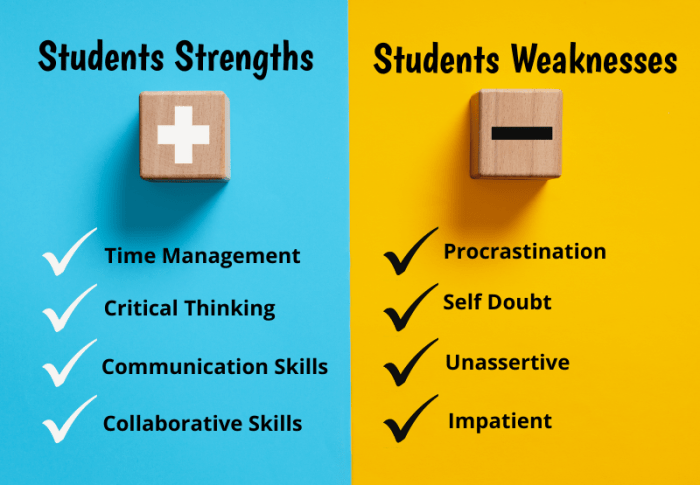
Wellness programs on campus play a crucial role in supporting students’ mental health, physical well-being, and overall academic success. These programs provide resources, activities, and services to help students lead a healthy and balanced lifestyle.
Various Wellness Programs Available
- Counseling Services: Many educational institutions offer counseling services where students can seek professional help for mental health issues, stress management, and other concerns.
- Fitness Classes: Wellness programs often include fitness classes such as yoga, Zumba, or spin classes to encourage students to stay active and maintain physical health.
- Nutritional Workshops: Workshops on nutrition and healthy eating habits are commonly provided to educate students on making better food choices and promoting overall wellness.
Comparison of Wellness Initiatives
- Mental Health Support: Some wellness programs focus primarily on mental health support through counseling services, support groups, and mindfulness activities.
- Physical Activity Promotion: Other initiatives prioritize physical activity by offering a variety of fitness classes, intramural sports, and outdoor recreational activities to keep students active.
- Nutrition Education: Wellness programs also emphasize nutrition education by providing workshops, cooking classes, and access to healthy food options on campus.
Impact of Wellness Programs
Participating in wellness programs has been shown to have a positive impact on student performance and well-being. Students who engage with these programs often experience reduced stress levels, improved focus, and better overall health, leading to enhanced academic success.
Tips for Engaging with Wellness Programs
- Stay Informed: Keep an eye out for wellness program announcements and events on campus bulletin boards, websites, and social media to stay informed.
- Attend Workshops: Make an effort to attend counseling sessions, fitness classes, and nutrition workshops to take advantage of the resources available.
- Get Involved: Consider joining wellness-related clubs or organizations on campus to meet like-minded individuals and stay motivated in your wellness journey.
Physical Therapy for Students
Physical therapy can be a valuable tool for students to manage stress and improve their physical health. By incorporating physical therapy techniques into their routine, students can experience reduced muscle tension, increased flexibility, and overall better well-being.
Benefits of Physical Therapy for Students
- Improved posture and alignment
- Enhanced muscle strength and endurance
- Decreased pain and discomfort
- Enhanced relaxation and stress relief
Common Physical Therapy Techniques for Students
- Stretching exercises to improve flexibility
- Strength training to build muscle tone
- Postural correction techniques to address alignment issues
- Massage therapy for relaxation and stress relief
Success Stories from Students
“After incorporating physical therapy into my routine, I noticed a significant decrease in my stress levels and improved overall physical health. I feel more energized and focused in my studies.”
Finding Reputable Physical Therapy Services for Students
- Check with your university health center for recommendations
- Research online reviews and ratings of local physical therapy clinics
- Ask for referrals from friends or family members who have had positive experiences
- Verify the credentials and experience of the physical therapists before scheduling an appointment
Health Coaching for Students
Health coaching plays a crucial role in guiding students towards a healthier lifestyle by providing personalized support and guidance to help them make positive changes in their habits and behaviors. By focusing on the individual needs and goals of each student, health coaching aims to improve overall well-being and enhance the quality of life.
Benefits of One-on-One Health Coaching
- Personalized Support: Students receive tailored guidance and support to address their specific health concerns and goals.
- Accountability: Health coaches help students stay accountable and motivated to make sustainable changes in their lifestyle.
- Educational Resources: Coaches provide valuable information and resources to empower students to make informed decisions about their health.
- Improved Health Outcomes: One-on-one health coaching has been shown to lead to improved health outcomes, including better management of chronic conditions and overall wellness.
Tips for Students to Benefit from Health Coaching Services
- Set Clear Goals: Define specific and achievable health goals that you want to work on with your health coach.
- Be Open and Honest: Share your concerns, challenges, and preferences openly with your health coach to receive the best support.
- Stay Committed: Commit to the process and actively engage with your health coach to make meaningful progress towards a healthier lifestyle.
- Ask Questions: Don’t hesitate to ask questions and seek clarification on any aspect of your health coaching sessions.
Accessing Health Coaching Resources at Educational Institutions
Students can access health coaching resources at educational institutions through various channels, such as:
- Health and Wellness Centers: Many colleges and universities have dedicated health and wellness centers that offer health coaching services to students.
- Student Health Services: Student health services often provide access to health coaching programs and resources to support students’ well-being.
- Online Platforms: Some educational institutions offer online health coaching services or resources that students can access remotely.
- Workshops and Events: Health coaching workshops and events may be organized on campus to provide students with information and support on improving their health.
Medical Advancements in Student Health

Medical advancements play a crucial role in improving student health and well-being by providing innovative solutions and treatments. Technological innovations have significantly enhanced healthcare services for students, making it easier to access quality medical care on campus or remotely. Let’s explore some recent medical breakthroughs that have positively impacted student healthcare and discuss the importance of staying updated on these advancements for better health outcomes.
Telemedicine Services
Telemedicine services have revolutionized the way students receive medical care by allowing them to consult healthcare providers virtually. This advancement enables students to access healthcare services from the comfort of their dorm rooms or homes, eliminating the need to visit a physical clinic for non-emergency medical issues.
Mobile Health Apps
The development of mobile health apps has empowered students to track their health metrics, access educational resources, and schedule appointments with healthcare professionals seamlessly. These apps promote proactive health management and provide personalized health recommendations based on individual needs and preferences.
Precision Medicine
Precision medicine utilizes genetic information and advanced technologies to tailor medical treatments to individual patients, optimizing efficacy and reducing adverse effects. This approach allows healthcare providers to deliver personalized care to students based on their genetic makeup, lifestyle factors, and medical history.
Robotic Surgery
Robotic surgery techniques have improved surgical precision, leading to faster recovery times and reduced complications for students undergoing complex procedures. The use of robotics in surgery enhances the overall safety and success rates of medical interventions, providing students with advanced treatment options.
Importance of Staying Informed
Staying updated on medical advancements is crucial for students to make informed decisions about their health and well-being. By being aware of the latest breakthroughs in healthcare, students can take advantage of innovative treatments, preventive measures, and technologies that enhance their overall quality of life.
Fitness Goals Setting for Students
Setting realistic fitness goals is crucial for students as it helps them stay motivated and focused on their health and well-being. By creating a personalized fitness plan, students can work towards achieving their goals in a sustainable and effective way. The connection between physical fitness and mental well-being is undeniable, as regular exercise has been shown to improve mood, reduce stress, and enhance cognitive function.
Importance of Setting Realistic Fitness Goals
Setting realistic fitness goals allows students to have a clear direction and purpose in their workout routine. It helps in tracking progress, staying motivated, and avoiding burnout. By setting achievable goals, students can build confidence and develop healthy habits that will benefit them in the long run.
Tips for Creating a Personalized Fitness Plan
- Assess your current fitness level and identify areas for improvement.
- Set specific, measurable, attainable, relevant, and time-bound (SMART) goals.
- Create a workout schedule that fits your lifestyle and preferences.
- Include a variety of exercises to target different muscle groups and prevent boredom.
- Track your progress regularly and make adjustments to your plan as needed.
Strategies for Staying Motivated and Consistent
- Find a workout buddy or join group fitness classes for accountability and support.
- Reward yourself for reaching milestones or sticking to your plan.
- Visualize your goals and remind yourself of the reasons why you started.
- Mix up your routine to prevent monotony and keep things interesting.
- Practice self-compassion and don’t be too hard on yourself if you miss a workout.
Connection Between Physical Fitness and Mental Well-being
Regular physical activity not only improves physical health but also has a positive impact on mental well-being. Exercise releases endorphins, which are known as “feel-good” hormones that can help reduce symptoms of anxiety and depression. Additionally, staying physically active can improve focus, concentration, and overall cognitive function, which are essential for student life.
Balanced Nutrition for Student Well-being
Ensuring a balanced nutrition is crucial for supporting students’ overall health and well-being. It provides the necessary nutrients for optimal physical and mental functioning, which are essential for academic success.
Examples of a Well-Balanced Diet for Student Lifestyles
- Include a variety of fruits and vegetables for vitamins and minerals.
- Incorporate whole grains such as brown rice or quinoa for sustained energy.
- Include lean proteins like chicken, fish, tofu, or legumes for muscle repair and growth.
- Opt for healthy fats from sources like avocados, nuts, and olive oil for brain health.
- Stay hydrated with water throughout the day to support overall bodily functions.
The Impact of Nutrition on Academic Performance and Mental Clarity
A well-balanced diet plays a significant role in academic performance and mental clarity. Nutrient-rich foods help improve concentration, memory, and mood, leading to better cognitive function and overall productivity.
Tips for Maintaining a Balanced Diet while Managing a Busy Schedule
- Plan ahead and prepare meals/snacks in advance to avoid unhealthy food choices.
- Opt for quick and nutritious options like yogurt with fruits, nuts, or whole grain crackers.
- Carry healthy snacks like trail mix, cut veggies, or granola bars for convenient on-the-go eating.
- Avoid skipping meals and try to eat at regular intervals to maintain energy levels.
- Make mindful choices when dining out by selecting balanced options on the menu.
Yoga Practice for Student Stress Relief
Yoga has been proven to be an effective tool for reducing stress and anxiety among students. The combination of physical postures, breathing techniques, and mindfulness practices can help students manage their mental well-being in a holistic way.
Benefits of Yoga for Student Stress Relief
- Improves flexibility and strength, releasing tension in the body
- Promotes relaxation and reduces cortisol levels, the stress hormone
- Enhances focus and concentration, leading to better academic performance
- Encourages mindfulness and self-awareness, helping students navigate challenging emotions
Beginner-Friendly Yoga Poses for Students
- Mountain Pose (Tadasana) – standing tall with feet grounded
- Child’s Pose (Balasana) – gentle stretch for the back and hips
- Corpse Pose (Savasana) – ultimate relaxation for body and mind
Connection between Yoga and Mental Strength
Yoga not only helps students relieve stress but also builds mental resilience. The practice of yoga cultivates inner strength, patience, and a positive mindset, enabling students to face challenges with a sense of calm and clarity.
Resources for Starting a Yoga Practice, Mental strength strategies for students
- Online yoga tutorials and classes for beginners
- Yoga apps with guided sessions and meditation practices
- Yoga clubs or groups on campus for community support
- Local yoga studios offering student discounts
Health Education Initiatives for Students
Health education plays a crucial role in empowering students to make informed decisions regarding their well-being. By providing students with the knowledge and skills necessary to understand and prioritize their health, they can develop healthy habits that can last a lifetime.
Effective Health Education Programs
Effective health education programs in educational settings often include a combination of classroom instruction, interactive workshops, and hands-on activities. These programs are designed to engage students in learning about various health topics, such as nutrition, exercise, mental health, and sexual health, in a way that is relevant and relatable to their lives.
- Interactive workshops on healthy eating habits and meal planning
- Hands-on activities to promote physical activity and exercise
- Classroom discussions on stress management techniques and coping strategies
- Workshops on sexual health education and safe practices
Impact of Health Education
Health education has a significant impact on student behavior and lifestyle choices. By equipping students with the knowledge and skills to make healthy choices, they are more likely to adopt positive habits that can improve their overall well-being. Students who participate in health education programs are also more likely to seek out resources and support when needed, leading to better health outcomes in the long run.
Weight Management Strategies for Students
Maintaining a healthy weight is crucial for students’ overall health as it can help prevent chronic diseases, boost energy levels, and improve mental well-being. Here are some practical strategies for students to manage their weight effectively:
Healthy Eating Habits
- Focus on consuming a balanced diet rich in fruits, vegetables, whole grains, lean proteins, and healthy fats.
- Avoid skipping meals and opt for regular, portion-controlled meals to keep metabolism steady.
- Limit the intake of sugary drinks, processed foods, and high-fat snacks.
Regular Physical Activity
- Engage in at least 150 minutes of moderate-intensity aerobic activity per week, such as brisk walking, cycling, or swimming.
- Incorporate strength training exercises to build muscle mass and increase metabolism.
- Find activities you enjoy to make exercise a sustainable part of your routine.
Mindful Eating Practices
- Eat slowly and savor each bite to recognize feelings of fullness and prevent overeating.
- Listen to your body’s hunger cues and eat when you are genuinely hungry, not out of boredom or emotions.
- Avoid distractions like screens while eating to focus on your food and prevent mindless snacking.
Positive Body Image and Self-Esteem
- Celebrate non-scale victories like improved energy levels, strength gains, and enhanced mood.
- Practice self-care activities that make you feel good about yourself, regardless of the number on the scale.
- Surround yourself with positive influences and supportive friends who uplift your confidence and self-esteem.
Success Stories
“I started incorporating more whole foods into my diet and discovered a love for weightlifting. Not only did I lose weight, but I also gained strength and confidence in myself.” – Sarah, College Student
“By prioritizing self-care and mindful eating, I was able to reach my weight management goals and maintain a healthy lifestyle throughout my academic journey.” – Alex, University Student
Health Checkups Importance for Students
Regular health checkups are crucial for students to maintain their overall well-being and detect any potential health issues early on. By prioritizing routine health screenings and examinations, students can take proactive steps towards maintaining good health throughout their academic journey.
Key Health Screenings and Examinations
- Annual physical exams: These exams help monitor overall health status, including blood pressure, heart rate, and weight.
- Immunizations: Keeping up-to-date with vaccinations protects students from preventable diseases.
- Dental checkups: Regular dental exams help maintain oral health and prevent dental issues.
- Eye exams: Vision screenings are essential for maintaining good eye health and addressing any vision problems.
Prioritizing and Scheduling Health Checkups
- Make a health checklist: Create a list of recommended screenings and exams based on age and personal health history.
- Utilize campus resources: Take advantage of health services offered on campus for convenient access to healthcare professionals.
- Set reminders: Use calendars or apps to schedule and prioritize health checkups throughout the academic year.
Benefits of Early Detection and Prevention
Regular health checkups play a significant role in early detection and prevention of health issues. By identifying potential problems early, students can receive timely treatment and prevent conditions from worsening. Additionally, routine screenings can help students adopt healthier lifestyle choices and stay proactive about their well-being.
Skin Health Tips for Students
Maintaining healthy skin is essential for overall well-being, especially for students who may face stress and busy schedules. Here are some skincare tips suitable for students to keep their skin healthy and glowing.
Common Skin Issues Faced by Students
- Avoid touching your face frequently to prevent breakouts caused by bacteria transfer from hands.
- Stay hydrated by drinking plenty of water to keep your skin moisturized and clear.
- Manage stress through relaxation techniques like meditation or deep breathing to prevent stress-related skin issues.
- Get enough sleep to allow your skin to repair and regenerate overnight.
Importance of Sun Protection and Skincare Routines
Remember to apply sunscreen daily to protect your skin from harmful UV rays and prevent premature aging.
- Establish a simple skincare routine with cleanser, moisturizer, and sunscreen to maintain healthy skin.
- Avoid prolonged sun exposure and wear protective clothing and hats when outdoors.
Affordable Skincare Products for Students
| Product | Benefits |
|---|---|
| Gentle Cleanser | Cleanses without stripping natural oils |
| Moisturizing Cream | Hydrates skin without clogging pores |
| Sunscreen SPF 30+ | Provides protection against UVA and UVB rays |
Emotional Health Support for Students
Emotional health is a crucial aspect of students’ overall well-being, impacting their academic performance, personal growth, and quality of life. Managing stress, anxiety, and other emotional challenges is essential for students to thrive in their academic and personal lives. Here are some tips and resources to support students in maintaining good emotional health:
Tips for Managing Emotional Challenges
- Practice mindfulness and deep breathing exercises to help reduce stress and anxiety levels.
- Engage in regular physical activity to release endorphins and improve mood.
- Establish a support system of friends, family, or mental health professionals to talk to during difficult times.
- Set realistic goals and prioritize tasks to avoid feeling overwhelmed.
- Take breaks when needed and engage in activities that bring joy and relaxation.
Resources and Support Services
- University counseling centers offering free or low-cost therapy sessions for students.
- Online mental health platforms providing access to virtual therapy and support groups.
- Mental health hotlines for immediate assistance in times of crisis or distress.
- Peer support groups on campus for students to connect with others facing similar emotional challenges.
Impact on Academic Performance and Personal Growth
Emotional well-being directly correlates with academic success and personal development. Students who prioritize their emotional health are better equipped to handle academic pressures, build resilience, and maintain positive relationships with others. By investing in their emotional well-being, students can enhance their overall quality of life and achieve their full potential.
Health Motivation Techniques for Students
In today’s fast-paced world, it’s crucial for students to prioritize their health and well-being. However, maintaining motivation can be challenging amidst academic pressures and busy schedules. Let’s explore some effective strategies to help students stay motivated in their health journey.
The Power of Goal-Setting and Accountability
Setting specific, achievable health goals can provide students with a clear direction and purpose. Whether it’s aiming to exercise a certain number of times per week or incorporating more fruits and vegetables into their diet, having tangible goals can keep students motivated. Additionally, being accountable to oneself or having a support system can help students stay on track and motivated.
Motivational Tools and Resources
There are various tools and resources available to students to enhance their health motivation. Fitness apps, wellness journals, and online communities can provide students with the necessary support and motivation to make positive lifestyle changes. These resources can track progress, provide tips, and offer encouragement along the way.
Success Stories in Health Motivation
Sharing success stories of students who have overcome challenges and embraced a healthy lifestyle can inspire others. By highlighting real-life examples of individuals who have prioritized their health and reaped the benefits, students can see that achieving a balanced lifestyle is attainable. These success stories can serve as motivation for students to take charge of their own well-being.
Physical Activities for Student Well-being
Regular physical activity is crucial for maintaining overall well-being, especially for students who often lead sedentary lifestyles due to academic commitments. Engaging in physical activities not only improves physical health but also has numerous benefits for mental health and academic performance.
Benefits of Regular Physical Activities for Students
- Improves focus and concentration in studies
- Reduces stress and anxiety levels
- Boosts mood and overall sense of well-being
- Increases energy levels and productivity
Variety of Physical Activity Options for Students
- Cardiovascular exercises like running, cycling, or swimming
- Strength training with weights or bodyweight exercises
- Yoga or Pilates for flexibility and relaxation
- Team sports such as basketball, soccer, or volleyball
Tips for Incorporating Physical Activities into Daily Routine
- Schedule workouts at a consistent time each day to create a routine
- Choose activities that you enjoy to make exercise more enjoyable
- Combine studying with physical activity by taking breaks for a quick walk or stretch
- Utilize campus fitness facilities or join group fitness classes for motivation
Connection between Physical Exercise and Mental Health in Student Populations
Regular physical exercise has been shown to release endorphins, which are natural mood boosters. It can also improve sleep quality, reduce symptoms of depression, and enhance cognitive function. By incorporating physical activities into their routine, students can experience improved mental well-being and academic success.
Health Awareness Campaigns for Students
Health awareness campaigns play a crucial role in educating and empowering student communities to prioritize their well-being. By raising awareness about key health topics, these initiatives aim to promote healthy lifestyle choices and prevent health issues among students.
Impact of Health Awareness Campaigns
Health awareness campaigns have a significant impact on student communities by providing valuable information and resources to help them make informed decisions about their health. These campaigns not only increase awareness about important health topics but also encourage students to adopt healthy habits and seek support when needed.
- Empowers students to make informed decisions about their health
- Promotes healthy lifestyle choices and preventive measures
- Reduces stigma around mental health issues and encourages seeking help
- Creates a supportive environment for students to prioritize their well-being
Key Health Topics for Students
- Healthy eating habits and nutrition
- Mental health awareness and stress management
- Physical fitness and exercise routines
- Substance abuse prevention and awareness
Successful Health Awareness Initiatives
Some successful health awareness initiatives targeted at students include:
- Peer-led workshops on mental health and stress management
- Campus-wide health fairs with resources on nutrition and fitness
- Collaborations with healthcare professionals for educational sessions
- Social media campaigns promoting healthy habits and self-care
Tips for Active Participation
Students can actively participate in health awareness campaigns by:
- Attending workshops, seminars, and events on health topics
- Volunteering for organizing or promoting health initiatives on campus
- Sharing resources and information with peers to raise awareness
- Engaging in discussions and activities that promote well-being
Preventive Medicine Practices for Students
Preventive medicine is a proactive approach to healthcare that focuses on preventing illnesses before they occur, rather than just treating them after they manifest. This is particularly important for students, as it can help them maintain good health and well-being throughout their academic journey.
Significance of Preventive Medicine for Students
- Regular health check-ups can help students detect any potential health issues early on, allowing for timely intervention.
- Healthy lifestyle choices, such as balanced nutrition and regular exercise, can prevent chronic diseases in the future.
- Preventive measures can reduce the overall healthcare costs for students by avoiding expensive medical treatments.
Preventive Measures for Students
- Stay up to date on vaccinations to prevent the spread of contagious diseases on campus.
- Practice good hygiene habits, such as handwashing, to reduce the risk of infections.
- Avoiding smoking, excessive alcohol consumption, and drug use can prevent various health issues.
Incorporating Preventive Medicine into Student Lifestyles
- Make time for regular exercise and physical activity to improve overall health and reduce the risk of chronic diseases.
- Eat a balanced diet rich in fruits, vegetables, and whole grains to boost immunity and prevent nutritional deficiencies.
- Get an adequate amount of sleep each night to support overall well-being and cognitive function.
Long-Term Benefits of Preventive Medicine
- Improved overall health and well-being, leading to better academic performance and success.
- Reduced risk of developing chronic diseases later in life, promoting a higher quality of life.
- Increased longevity and a higher likelihood of living a healthy and active lifestyle in the future.
Nutritional Counseling for Students
Nutritional counseling plays a crucial role in guiding students towards healthier eating habits by providing personalized advice and support tailored to their individual needs and goals.
Benefits of Personalized Nutritional Advice
- Helps students develop a better understanding of their dietary needs and habits.
- Assists in creating sustainable and realistic nutrition plans for long-term health.
- Educates students on making informed food choices that support their overall well-being.
- Encourages a positive relationship with food and promotes a healthy body image.
Accessing Nutritional Counseling Services
- Many universities and colleges offer on-campus nutrition counseling services through health centers or wellness programs.
- Students can also seek private nutritionists or dietitians in their local community for personalized guidance.
- Online platforms and apps provide virtual counseling sessions for convenient access to nutritional advice.
Successful Outcomes of Nutritional Counseling
- Improved energy levels and focus for better academic performance.
- Weight management and body composition changes leading to enhanced self-confidence.
- Reduction in risk factors for chronic diseases through dietary modifications.
- Enhanced overall well-being and quality of life by establishing healthy eating patterns.
Cultivating a Healthy Mindset in Students
Maintaining a healthy mindset is crucial for students’ overall well-being as it impacts their academic performance and personal growth. Cultivating a positive and resilient mindset can help students navigate challenging situations with ease and improve their mental well-being.
Strategies for Cultivating a Healthy Mindset
- Practice gratitude daily to shift focus to positive aspects of life.
- Engage in regular physical exercise to boost mood and reduce stress.
- Develop a growth mindset by embracing challenges and learning from failures.
- Connect with supportive friends and family members for emotional support.
- Engage in mindfulness techniques such as meditation and deep breathing exercises.
Impact of a Healthy Mindset on Academic Performance
Maintaining a healthy mindset can significantly improve academic performance by enhancing focus, concentration, and memory retention. Students with a positive mindset are more likely to approach challenges with a problem-solving attitude and persevere through difficult tasks.
Tips for Practicing Mindfulness and Self-Care
- Set aside time for relaxation and self-reflection to recharge your mental batteries.
- Avoid negative self-talk and replace it with positive affirmations.
- Engage in hobbies and activities that bring you joy and relaxation.
- Establish a consistent sleep routine to ensure adequate rest and rejuvenation.
- Seek professional help if you’re struggling with mental health issues.
Frequently Asked Questions
How can mental strength impact academic success?
Mental strength plays a crucial role in academic success as it helps students navigate challenges, stay focused, and persevere through setbacks.
What are some practical techniques to improve mental resilience?
Techniques such as mindfulness, goal-setting, and positive self-talk can enhance mental resilience and fortitude in students.
How does positive thinking contribute to building mental strength?
Positive thinking can reframe challenges as opportunities for growth, boost confidence, and enhance overall mental well-being.