Weight Management and Gut Health
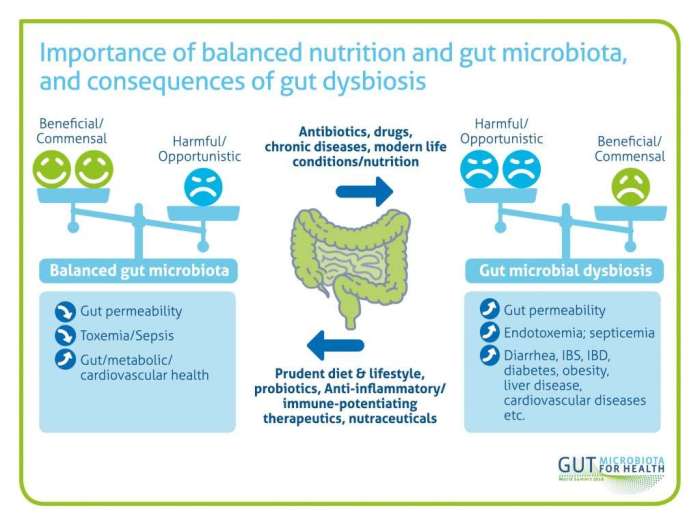
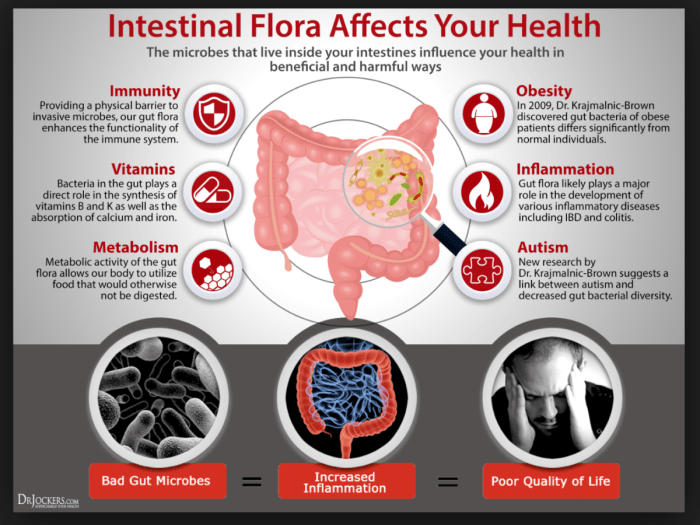
Maintaining a healthy weight is not just about calorie intake and exercise; gut health plays a crucial role in overall weight management. The gut microbiome, which consists of trillions of bacteria, fungi, and other microbes, influences various bodily functions, including metabolism and nutrient absorption.
How a Healthy Gut Supports Weight Management
A balanced gut microbiome can aid in weight management in several ways:
- Promoting proper digestion: A healthy gut can efficiently break down food and absorb nutrients, preventing bloating and discomfort that may lead to overeating.
- Regulating appetite: Certain gut bacteria produce hormones that help control appetite and cravings, reducing the likelihood of overeating.
- Reducing inflammation: An imbalanced gut microbiome can lead to inflammation, which is associated with weight gain. A healthy gut can help reduce inflammation and promote overall well-being.
- Enhancing metabolism: Some gut bacteria play a role in regulating metabolism, influencing how the body processes and stores energy from food.
The Impact of Gut Health on Metabolism and Weight Loss
The composition of the gut microbiome can affect metabolism and weight loss efforts:
- Metabolism regulation: The gut microbiome can influence how efficiently the body converts food into energy, impacting overall metabolic rate.
- Weight loss support: By promoting a diverse and balanced gut microbiome, individuals may experience improved weight loss outcomes when combined with a healthy diet and exercise routine.
- Insulin sensitivity: An imbalanced gut microbiome can contribute to insulin resistance, a factor in weight gain and obesity. Improving gut health may enhance insulin sensitivity and support weight management.
- Calorie extraction: Certain gut bacteria can affect how many calories are extracted from food, potentially impacting weight gain or loss over time.
Healthy Snacks
When it comes to maintaining a healthy gut and managing weight, choosing the right snacks is crucial. Nutritious snacks can not only support your gut health but also help you stay on track with your weight management goals.
Nutritious Snack Ideas:
- Greek yogurt with mixed berries and a sprinkle of chia seeds
- Raw vegetables with hummus or guacamole
- Handful of nuts and seeds for a satisfying crunch
- Apple slices with almond butter
Wellness Programs
Wellness programs play a crucial role in promoting overall health and addressing specific concerns such as weight management and gut health. By incorporating targeted strategies and support systems, these programs can help individuals achieve their health goals effectively.
Incorporating Strategies for Weight Management and Gut Health
Effective wellness programs focus on a holistic approach to health, integrating nutrition, physical activity, stress management, and behavioral changes. When it comes to weight management and gut health, these programs may offer personalized meal plans, exercise routines, mindfulness practices, and educational resources to support individuals in making sustainable lifestyle changes.
Components of an Effective Wellness Program
- Personalized Coaching: Providing one-on-one guidance and support tailored to individual needs and goals.
- Educational Workshops: Offering information on nutrition, exercise, stress management, and other relevant topics to empower participants.
- Behavioral Support: Implementing strategies to help individuals overcome barriers and establish healthy habits.
- Community Engagement: Fostering a sense of belonging and accountability through group activities and support networks.
- Monitoring and Feedback: Tracking progress, adjusting strategies as needed, and celebrating achievements along the way.
Success Stories of Individuals Benefiting from Wellness Programs
Many individuals have experienced positive transformations in their health and well-being through participation in wellness programs. For example, Sarah, a busy professional, was able to lose weight and improve her digestive issues by following a personalized wellness plan that included regular coaching sessions, meal prep guidance, and stress management techniques. Similarly, John, a retiree dealing with chronic health conditions, found relief from his symptoms and increased energy levels after joining a wellness program that focused on tailored exercise routines, nutritional counseling, and ongoing support from a dedicated health coach.
Physical Therapy
Physical therapy plays a crucial role in both weight management and gut health by focusing on improving overall physical function and mobility. By incorporating specific exercises and techniques, physical therapy can help promote a healthy gut and aid in weight loss. Additionally, when combined with other wellness practices, such as nutrition and stress management, physical therapy can enhance the effectiveness of overall health and well-being.
Exercises for Gut Health and Weight Management
Physical therapy can include exercises that target the core muscles, such as the abdominals and lower back, to help improve digestion and gut health. These exercises can also aid in weight loss by increasing metabolism and calorie burn. Additionally, incorporating cardiovascular exercises, like walking or swimming, can further support weight management and overall health.
- Core-strengthening exercises: Planks, bridges, and abdominal crunches can help improve digestion and support a healthy gut.
- Cardiovascular exercises: Walking, jogging, or cycling can help burn calories and promote weight loss.
- Flexibility exercises: Stretching can improve overall mobility and reduce the risk of injuries during physical activity.
Benefits of Combining Physical Therapy with Wellness Practices
When physical therapy is combined with other wellness practices, the benefits multiply, leading to a comprehensive approach to health and well-being. By integrating physical therapy with nutrition counseling, stress management techniques, and mindfulness practices, individuals can achieve better outcomes in their weight management and gut health goals.
- Improved overall physical function: Physical therapy helps enhance mobility, flexibility, and strength, leading to better digestion and weight management.
- Enhanced mental well-being: Combining physical therapy with stress management techniques can reduce anxiety and depression, promoting a positive mindset for achieving health goals.
- Long-term sustainability: By incorporating physical therapy into a holistic wellness program, individuals can develop lifelong habits that support gut health and weight management.
Health Coaching
Health coaching plays a crucial role in supporting individuals with their weight management and gut health goals by providing personalized guidance, motivation, and accountability throughout their wellness journey.
Supporting Sustainable Habits
Health coaches can help clients develop sustainable habits by creating realistic and achievable goals, providing education on nutrition and lifestyle choices, offering continuous support and motivation, and helping clients overcome obstacles and setbacks.
Finding a Qualified Health Coach
- Look for certifications from reputable organizations such as the National Board for Health and Wellness Coaching or the International Coach Federation.
- Consider the coach’s experience, specialization, and success stories from previous clients.
- Ensure the coach has good communication skills, empathy, and the ability to create a trusting and supportive relationship with clients.
- Check for any testimonials or reviews from other clients to gauge the coach’s effectiveness and professionalism.
Medical Advancements
Recent years have seen remarkable advancements in the field of weight management and gut health. These breakthroughs have opened up new possibilities for innovative treatments and technologies that can revolutionize the way we approach these crucial aspects of overall health.
Microbiome Research
In recent years, there has been a significant focus on the role of the gut microbiome in weight management and overall health. Research has shown that the composition of bacteria in our gut can impact our metabolism, immune system, and even our mental health. Scientists are exploring how manipulating the gut microbiome through probiotics, prebiotics, and fecal transplants can help improve weight management and gut health.
Personalized Nutrition
Advancements in technology have allowed for the development of personalized nutrition plans based on an individual’s unique genetic makeup, gut microbiome, and lifestyle factors. By tailoring dietary recommendations to specific needs, these plans can optimize weight management and gut health outcomes.
Non-Invasive Weight Loss Procedures
Innovative non-invasive procedures such as gastric balloons, vagal nerve stimulation, and endoscopic sleeve gastroplasty are offering new options for individuals struggling with weight management. These procedures provide less invasive alternatives to traditional weight loss surgeries, with promising results for long-term weight maintenance.
Future Developments
Looking ahead, the future of weight management and gut health holds exciting possibilities. With ongoing research into the gut-brain axis, the development of targeted therapies for obesity and digestive disorders, and the integration of artificial intelligence into personalized health plans, we can expect to see even more effective and individualized approaches to achieving optimal weight and gut health.
Fitness Goals
Setting fitness goals can have a significant impact on both weight management and gut health. By establishing clear objectives, individuals can stay motivated, track their progress, and make necessary adjustments to their exercise and dietary routines. Achieving fitness goals can lead to increased energy levels, improved metabolism, better digestion, and overall well-being.
Creating Realistic and Achievable Fitness Goals
When creating fitness goals, it is essential to set realistic and achievable targets that align with your current fitness level and lifestyle. Here are some tips to help you establish effective fitness goals:
- Start Small: Begin with manageable goals that you can easily incorporate into your daily routine, such as taking a 30-minute walk each day.
- Be Specific: Define your goals clearly, whether it’s losing a certain amount of weight, improving your endurance, or increasing muscle strength.
- Set Deadlines: Establish a timeline for reaching your goals to keep yourself accountable and motivated.
- Track Progress: Monitor your achievements regularly and adjust your goals as needed to stay on track.
- Reward Yourself: Celebrate your milestones with non-food rewards to stay motivated and focused on your fitness journey.
Fitness Routines for Overall Health and Well-being
Engaging in regular exercise is essential for maintaining a healthy weight, supporting gut health, and improving overall wellness. Here are some examples of fitness routines that can benefit your physical and mental well-being:
- Cardiovascular Exercises: Activities like running, cycling, or swimming can help boost your metabolism, burn calories, and improve heart health.
- Strength Training: Incorporating weightlifting or bodyweight exercises can increase muscle mass, enhance bone density, and support a healthy metabolism.
- Flexibility and Balance Training: Practices such as yoga or Pilates can improve flexibility, posture, and coordination, reducing the risk of injuries and promoting relaxation.
- High-Intensity Interval Training (HIIT): HIIT workouts involve short bursts of intense exercise followed by brief rest periods, offering a time-efficient way to burn fat, build endurance, and improve cardiovascular fitness.
Balanced Nutrition
When it comes to weight management and gut health, balanced nutrition plays a crucial role in maintaining overall wellness. A diet that is rich in essential nutrients not only helps in managing weight but also promotes a healthy gut flora, which is essential for digestion and overall health.
Importance of Macronutrients and Micronutrients
Macronutrients, including carbohydrates, proteins, and fats, are the essential components of a healthy diet. They provide the body with energy and are necessary for various bodily functions. On the other hand, micronutrients such as vitamins and minerals are essential for maintaining overall health, supporting immune function, and aiding in various metabolic processes.
- Carbohydrates: Opt for whole grains, fruits, and vegetables to get a good source of carbohydrates that are rich in fiber and essential nutrients.
- Proteins: Include lean sources of proteins like chicken, fish, tofu, or legumes in your meals to support muscle growth and repair.
- Fats: Choose healthy fats like avocado, nuts, seeds, and olive oil to support brain function and hormone production.
- Vitamins and Minerals: Incorporate a variety of colorful fruits and vegetables to ensure you are getting a wide range of essential vitamins and minerals.
Tips for Creating Balanced Meals
Creating balanced meals that support overall wellness can be achieved by following these tips:
- Fill half your plate with fruits and vegetables to ensure you are getting a good source of vitamins, minerals, and fiber.
- Include lean proteins in every meal to support muscle growth and repair.
- Choose whole grains over refined grains to increase your fiber intake and promote satiety.
- Aim for a variety of foods to ensure you are getting a wide range of nutrients that support overall health.
Mental Strength
Maintaining mental strength is crucial for successful weight management as it helps individuals stay motivated, focused, and resilient throughout their journey. A positive mindset can significantly impact overall health by reducing stress, improving mood, and enhancing decision-making abilities.
Strategies for Cultivating Mental Resilience
- Practice mindfulness and meditation to increase self-awareness and manage stress.
- Set realistic goals and celebrate small victories along the way to stay motivated.
- Build a strong support system of friends, family, or a health coach to provide encouragement and accountability.
- Focus on the process rather than just the end result to appreciate the journey and learn from setbacks.
- Acknowledge and challenge negative thoughts to develop a more positive and empowering mindset.
Impact of a Positive Mindset on Overall Health
- A positive mindset can boost immunity and reduce inflammation in the body, leading to better physical health.
- Individuals with a positive outlook are more likely to engage in healthy behaviors such as regular exercise and balanced nutrition.
- Positive thinking can improve sleep quality, enhance relationships, and increase overall life satisfaction.
- Studies have shown that mental resilience is linked to lower rates of chronic diseases and increased longevity.
Yoga Practice
Regular yoga practice can offer numerous benefits for both weight management and gut health. Not only does it help in improving flexibility and strength, but it also plays a crucial role in supporting digestion and metabolism. Additionally, yoga is known for its ability to reduce stress levels, promote mental clarity, and enhance emotional well-being.
Yoga Poses for Digestion and Metabolism
- Twisting poses like seated spinal twist or supine spinal twist can help in wringing out toxins from the digestive organs, improving digestion.
- Poses like downward facing dog or bridge pose can stimulate the thyroid gland, which is essential for metabolism regulation.
- Sun salutations or Surya Namaskar can help in improving blood circulation and boosting metabolism.
Mental and Emotional Benefits of Yoga
- Yoga encourages mindfulness and presence, helping individuals to connect with their bodies and emotions on a deeper level.
- Practicing yoga regularly can reduce anxiety, depression, and overall stress levels, contributing to a better mental state.
- Yoga promotes relaxation and calms the nervous system, which can lead to improved focus and emotional balance.
Health Education
Health education plays a crucial role in promoting weight management and gut health by empowering individuals with the knowledge and skills needed to make informed decisions about their health and well-being.
Key Topics for Maintaining a Healthy Lifestyle
It is essential for individuals to be educated on various topics to maintain a healthy lifestyle:
- The importance of balanced nutrition and portion control to support weight management.
- The impact of gut health on overall well-being and strategies to improve gut health through diet and lifestyle changes.
- The benefits of regular physical activity and exercise for weight management and overall health.
- The role of stress management and mental health in relation to weight management and gut health.
Accessing Reliable Health Information
It is important to access reliable health information to make informed decisions about your health. Here are some resources:
- Consulting reputable websites such as the Centers for Disease Control and Prevention (CDC) or the National Institutes of Health (NIH).
- Seeking guidance from healthcare professionals, such as registered dietitians, nutritionists, or health coaches.
- Participating in health education programs offered by community centers, hospitals, or wellness clinics.
Health Checkups
Regular health checkups play a crucial role in monitoring weight management and gut health. These routine appointments help in early detection of any underlying health issues, allowing for timely intervention and prevention of complications.
Importance of Preventative Screenings and Tests
Regular preventative screenings and tests are essential for maintaining overall health and well-being. These screenings can help identify risk factors for chronic diseases such as diabetes, heart disease, and certain types of cancer. By detecting these risks early on, individuals can take proactive steps to manage their health and prevent the development of these conditions.
- Annual physical exams: Regular checkups with a healthcare provider can help track weight management progress and assess gut health.
- Blood tests: Monitoring cholesterol levels, blood sugar, and other key indicators can provide valuable insights into overall health and potential risk factors.
- Colonoscopies and other screenings: These tests can help detect issues in the digestive system, including gut health concerns.
Tips for Scheduling and Prioritizing Health Checkups
Prioritizing health checkups is essential for maintaining a proactive approach to overall health. Here are some tips for scheduling and prioritizing these appointments:
- Keep a health journal: Record any symptoms, changes in weight, or digestive issues to discuss with your healthcare provider during checkups.
- Set reminders: Use calendar alerts or mobile apps to stay on top of upcoming appointments and screenings.
- Follow recommendations: Adhere to your healthcare provider’s recommended schedule for routine checkups and screenings based on your age, gender, and health history.
Skin Health
Skin health is closely linked to overall wellness, including weight management and gut health. The condition of our skin can often reflect what’s happening inside our bodies, making it essential to prioritize skin health as part of our holistic well-being.
Relationship Between Gut Health and Skin Conditions
Gut health plays a significant role in influencing various skin conditions. An imbalance in gut bacteria can lead to inflammation, which may manifest as acne, eczema, or psoriasis on the skin. By maintaining a healthy gut through proper nutrition and lifestyle habits, we can help improve the appearance and health of our skin.
- Include probiotic-rich foods in your diet to promote good gut health, such as yogurt, kefir, and sauerkraut.
- Stay hydrated by drinking plenty of water throughout the day to support skin hydration and overall gut function.
- Limit sugar and processed foods, as they can disrupt the balance of gut bacteria and contribute to skin issues.
- Eat a variety of fruits and vegetables to provide essential vitamins and minerals for skin health and gut microbiome diversity.
Emotional Health
Emotional health plays a crucial role in both weight management and gut health. The way we manage stress and emotions can greatly impact our overall well-being and the success of our wellness goals. It is essential to address emotional health as part of a holistic approach to health and wellness.
Strategies for Managing Stress and Emotions
- Practice mindfulness: Engaging in mindfulness techniques such as deep breathing, meditation, or yoga can help reduce stress and promote emotional balance.
- Seek support: Building a strong support system of friends, family, or a health coach can provide encouragement and guidance during challenging times.
- Stay active: Regular physical activity has been shown to improve mood and reduce stress levels, contributing to better emotional health.
- Limit screen time: Excessive screen time and social media use can contribute to feelings of anxiety and stress. Setting boundaries around technology can help improve emotional well-being.
Benefits of Mindfulness and Meditation
- Reduces stress: Mindfulness and meditation practices have been linked to lower levels of stress hormones in the body, promoting a sense of calm and relaxation.
- Improves focus: By training the mind to stay present in the moment, mindfulness and meditation can enhance concentration and cognitive function.
- Enhances self-awareness: These practices help individuals become more attuned to their thoughts and emotions, leading to better self-regulation and emotional resilience.
- Promotes overall well-being: Cultivating a regular mindfulness or meditation practice can have a positive impact on emotional health, contributing to a greater sense of happiness and fulfillment.
Health Motivation: Weight Management And Gut Health
Staying motivated on a weight management and gut health journey is crucial for achieving long-term success. It can be challenging to maintain motivation, especially during setbacks or obstacles, but with the right strategies, it is possible to stay on track and reach your health goals.
Tips for Maintaining Motivation
- Set realistic and achievable goals: Break down your larger health goals into smaller, manageable steps to keep yourself motivated as you achieve each milestone.
- Find a support system: Surround yourself with friends, family, or a health coach who can encourage and motivate you on your journey.
- Celebrate your successes: Acknowledge and celebrate your progress, no matter how small, to boost your motivation and keep you focused on your end goal.
- Stay positive: Practice positive self-talk and focus on the benefits of a healthy lifestyle to maintain a positive mindset even during challenging times.
Effective Motivation Strategies for Long-Term Success
- Visualize your success: Create a vision board or mental images of how you will look and feel when you reach your health goals to keep you motivated and inspired.
- Reward yourself: Treat yourself to non-food rewards for sticking to your healthy habits, such as a spa day, new workout gear, or a movie night.
- Track your progress: Keep a journal or use a fitness app to track your progress, including measurements, weight loss, or improved gut health, to see how far you’ve come and stay motivated to continue.
- Stay educated: Learn about the benefits of a healthy lifestyle, including the impact on weight management and gut health, to stay motivated and informed about why you’re making these changes.
Physical Activities
Regular physical activities play a crucial role in supporting weight management and gut health. Exercise not only helps in burning calories and shedding excess weight but also contributes to better digestion and overall gut health. Here, we will explore the different types of exercises that benefit gut health and promote weight loss, as well as share tips for incorporating physical activities into a daily routine.
Types of Exercises for Gut Health and Weight Loss
- Aerobic exercises such as running, cycling, or swimming help in improving digestion and promoting weight loss by increasing heart rate and boosting metabolism.
- Strength training exercises like weightlifting or bodyweight exercises build muscle mass, which in turn burns more calories even at rest and supports a healthy gut.
- Yoga and Pilates are great for gut health as they focus on breathing techniques and core strength, which can aid in better digestion and reducing stress-related gut issues.
- High-intensity interval training (HIIT) is effective for weight loss and gut health as it combines short bursts of intense exercise with brief rest periods, keeping the metabolism elevated post-workout.
Tips for Incorporating Physical Activities into Daily Routine
- Schedule workouts in advance and treat them as non-negotiable appointments to prioritize physical activity.
- Find activities you enjoy to make exercise more sustainable and fun, whether it’s dancing, hiking, or playing a sport.
- Include movement throughout the day by taking short walks, using stairs instead of elevators, or doing quick bodyweight exercises during breaks.
- Set realistic goals and track your progress to stay motivated and accountable in maintaining a consistent exercise routine.
Health Awareness
Raising awareness about weight management and gut health is crucial for promoting overall well-being and preventing various health issues. By educating communities on the importance of these topics, individuals can make informed choices about their lifestyles and prioritize their health.
Significance of Health Awareness
- Increased awareness can help individuals understand the connection between weight management, gut health, and overall health outcomes.
- It empowers individuals to make healthier food choices, engage in regular physical activity, and seek professional help when needed.
- Health awareness can reduce the stigma associated with weight-related issues and encourage open conversations about gut health.
Educational Strategies
- Organize workshops, seminars, and webinars to educate communities about the importance of maintaining a healthy weight and improving gut health.
- Create informative pamphlets, brochures, and posters that highlight the benefits of a balanced diet, regular exercise, and gut-friendly foods.
- Collaborate with healthcare providers, nutritionists, and fitness experts to deliver evidence-based information and practical tips for better health.
Initiatives for Health Awareness
- Community health fairs that offer free screenings, consultations, and educational materials on weight management and gut health.
- Social media campaigns that raise awareness about the impact of lifestyle choices on overall health and well-being.
- School programs that teach children and adolescents about the importance of maintaining a healthy weight and taking care of their digestive system.
Preventive Medicine
Preventive medicine plays a crucial role in maintaining optimal weight and gut health by focusing on proactive measures to prevent health issues before they arise. By incorporating preventive healthcare strategies into daily routines, individuals can support overall wellness and reduce the risk of future health problems.
Benefits of Preventive Medicine, Weight management and gut health
- Regular health checkups help identify potential issues early on, allowing for timely intervention and treatment.
- Encouraging a balanced diet and regular exercise can help prevent obesity, which is a major risk factor for various health conditions.
- Monitoring gut health through probiotic-rich foods and fiber can promote a healthy digestive system and reduce the risk of gut-related issues.
- Engaging in stress-reducing activities like yoga and meditation can support mental health and overall well-being.
Preventive Measures for Optimal Wellness
- Stay up to date with vaccinations to prevent infectious diseases.
- Avoid smoking and limit alcohol consumption to reduce the risk of chronic conditions.
- Practice good hygiene habits to prevent the spread of infections and illnesses.
- Manage stress through relaxation techniques and regular physical activity.
Preventive Healthcare in Action
- Regular screenings for conditions like high blood pressure, cholesterol, and diabetes can help detect and address issues early.
- Educating individuals on the importance of preventive measures can empower them to take charge of their health and make informed decisions.
- Implementing workplace wellness programs can encourage employees to prioritize their health and well-being, leading to reduced absenteeism and improved productivity.
Nutritional Counseling
Nutritional counseling plays a crucial role in supporting weight management and gut health. By working with a nutritional counselor, individuals can gain valuable insights into making informed food choices that align with their health goals and dietary needs.
Benefits of Nutritional Counseling
- Personalized Guidance: Nutritional counselors offer personalized nutrition plans tailored to individual needs, taking into account factors such as weight, health conditions, and lifestyle.
- Educational Support: Counselors provide valuable information on the importance of balanced nutrition, portion control, and meal planning to help individuals make sustainable dietary changes.
- Behavioral Changes: Through counseling sessions, individuals can address emotional eating habits, food cravings, and unhealthy patterns, fostering a positive relationship with food.
Impact of Personalized Nutrition Guidance
- Improved Health Outcomes: Personalized nutrition guidance can lead to improved weight management, better gut health, enhanced energy levels, and overall well-being.
- Long-Term Success: By learning how to make healthy food choices and develop sustainable habits, individuals are more likely to achieve long-term success in managing their weight and optimizing their gut health.
- Disease Prevention: Nutritional counseling can play a preventive role in managing chronic conditions such as obesity, diabetes, and heart disease, reducing the risk of complications and improving quality of life.
Healthy Mind
Having a healthy mind is essential when it comes to weight management and gut health. The mind plays a crucial role in influencing our food choices, stress levels, and overall well-being. A healthy mindset can positively impact our physical health and help us achieve our wellness goals.
Connection between Mental Well-Being and Physical Health
A strong connection exists between mental well-being and physical health. When we are stressed, anxious, or overwhelmed, our bodies can respond by releasing stress hormones that may affect our digestion, metabolism, and immune function. This can lead to weight gain, digestive issues, and other health problems. On the other hand, a positive mindset can lower stress levels, boost immunity, and support overall health.
Strategies for Cultivating a Healthy Mindset
- Acknowledge and challenge negative thoughts: Practice mindfulness to become aware of negative thought patterns and replace them with positive affirmations.
- Manage stress: Engage in stress-reducing activities such as meditation, yoga, deep breathing exercises, or spending time in nature.
- Stay active: Regular physical activity can improve mood, reduce anxiety, and enhance overall mental well-being.
- Get quality sleep: Prioritize sleep to allow your body and mind to rest and rejuvenate.
- Connect with others: Build supportive relationships and seek help when needed. Social connections are essential for mental health.
- Practice gratitude: Focus on the positive aspects of your life and express gratitude daily. This can shift your mindset towards positivity.
Answers to Common Questions
How does gut health affect weight management?
Gut health plays a crucial role in metabolism, nutrient absorption, and inflammation levels, all of which impact weight management.
Can specific foods improve gut health for weight management?
Yes, foods rich in fiber, probiotics, and prebiotics can promote a healthy gut environment, aiding in weight management.
Is there a connection between mental resilience and weight loss?
Absolutely, maintaining mental strength and a positive mindset can significantly impact one’s ability to achieve weight loss goals.